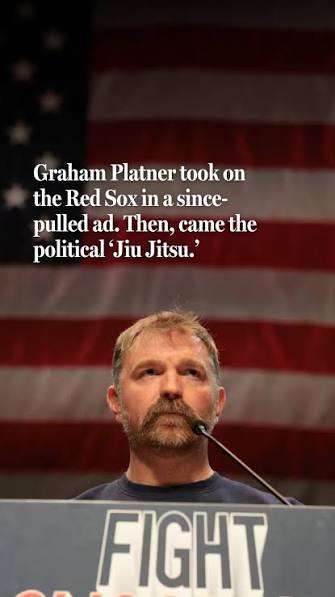
In an increasingly crowded political landscape, few newcomers have generated as much discussion as Graham Platner. Over the past year, online searches, media coverage, social media conversations, and political commentary surrounding Platner have expanded dramatically. His rise from oyster farmer and military veteran to a major political figure has captured attention across the United States.
The growing fascination with Graham Platner reflects broader shifts in American politics. Voters are increasingly looking for candidates who present themselves as outsiders, challenge established political systems, and communicate directly with working-class communities. Platner’s campaign has become a focal point for debates about populism, economic inequality, political authenticity, and the future direction of the Democratic Party.
As public interest continues to surge, many Americans are asking the same questions: Who is Graham Platner? Why is he receiving so much attention? What makes his campaign different from traditional political movements? And what could his growing influence mean for the 2026 election cycle?
This article explores the factors behind Platner’s rising profile, the controversies that have fueled public discussion, and why his campaign continues to dominate political conversations.
Who Is Graham Platner?

Graham Platner is a Marine Corps veteran, oyster farmer, and political candidate from Maine. Born in 1984, he served multiple combat tours in Iraq and Afghanistan before eventually returning to Maine and entering the oyster farming industry.
His military experience and working-class background have become central elements of his political identity. Unlike many traditional politicians, Platner often highlights his experiences outside government service, positioning himself as someone who understands the challenges facing ordinary Americans.
In 2025, Platner launched a campaign for the Democratic nomination in Maine’s U.S. Senate race. What initially appeared to be a long-shot candidacy quickly evolved into one of the most discussed political campaigns in the country.
Why Public Interest Is Growing
Several factors explain the rapid growth in public attention surrounding Platner.
Anti-Establishment Appeal
One of the strongest drivers of interest is his anti-establishment message. Platner frequently criticizes both major political parties and argues that wealthy elites hold too much influence over government decision-making. His campaign messaging focuses heavily on economic inequality, healthcare access, housing affordability, and labor rights.
Many voters frustrated with traditional political institutions view this approach as refreshing. His criticism of entrenched power structures resonates with people who believe the current system fails to represent working-class Americans effectively.
Authentic Personal Narrative
Political analysts have noted that Platner’s life story differs significantly from many modern candidates. Rather than coming from a career political background, he presents himself as someone who worked in the military, experienced the realities of war, and later built a business in a local community.
Supporters often point to this background as evidence of authenticity. In an era when voters frequently express distrust toward politicians, personal narratives can play a powerful role in building public support.
Strong Grassroots Momentum
Platner’s campaign has demonstrated significant grassroots energy. Reports indicate that his campaign attracted thousands of volunteers and raised substantial amounts of money shortly after launching. One report noted that he raised approximately $1 million within the first nine days of his campaign announcement.
Later fundraising reports suggested continued financial strength despite ongoing controversies and political challenges.
Grassroots enthusiasm often translates into increased online visibility. Supporters share campaign content, attend events, and amplify messaging across social media platforms, creating a cycle that further boosts public awareness.
National Media Attention
Another major reason for Platner’s growing profile is the level of national media attention he has received.
Major outlets including The New Yorker, PBS, The Washington Post, Politico, Axios, and other national publications have covered his campaign extensively.
Media organizations have portrayed Platner as a symbol of broader political trends emerging within the Democratic Party. Some commentators view him as part of a new generation of populist candidates attempting to reshape political messaging around economic concerns and anti-elite sentiment.
The extensive coverage has introduced Platner to audiences far beyond Maine, helping transform a regional Senate race into a nationally watched political story.
The Role of Political Endorsements
Endorsements have also contributed significantly to Platner’s visibility.
Notably, he has received support from prominent progressive figures, including Bernie Sanders and Elizabeth Warren. These endorsements helped elevate his campaign’s profile and introduced him to broader progressive audiences.
High-profile endorsements often serve as signals to voters and donors. They can generate media attention, increase fundraising opportunities, and create momentum within political movements.
For many observers, Sanders’ support in particular reinforced comparisons between Platner’s campaign and earlier populist political movements focused on economic reform and anti-corporate messaging.
Controversies and Public Debate
No discussion of Platner’s rise would be complete without addressing the controversies that have attracted significant media coverage.
Over the course of his campaign, old social media posts and personal history became subjects of intense scrutiny. Critics highlighted past online comments that many considered offensive or inappropriate. Questions also emerged regarding a tattoo that some observers associated with extremist symbolism.
Platner publicly addressed these issues, expressing regret for several past statements and arguing that they reflected a difficult period following his military service rather than his current beliefs.
The controversies generated widespread discussion across political media. While opponents argued that the revelations raised serious concerns, supporters often viewed his responses as evidence of personal growth and accountability.
Interestingly, rather than ending his campaign, the controversies appeared to increase public attention and media coverage. Multiple reports noted that fundraising and volunteer engagement remained strong despite the negative headlines.
Why Online Searches Continue to Rise
Search trends often reflect public curiosity, and several factors are driving continued online interest in Platner.
Election Significance
The Maine Senate race has national implications. Political analysts view the contest as an important battleground that could influence control of the U.S. Senate. As a result, voters, journalists, activists, and donors across the country are paying attention.
Unconventional Political Style
Platner’s communication style differs from many traditional politicians. He frequently uses direct language, challenges party leadership, and openly discusses topics that some candidates avoid. This approach generates strong reactions and encourages online discussion.
Viral Political Moments
Several interviews, campaign events, and public appearances have gained traction online. Viral moments often lead to spikes in search traffic as people seek additional information about a candidate.
In the digital age, even local political figures can quickly become national topics when social media users amplify campaign content.
Supporters’ Perspective
Supporters argue that Platner represents a new type of political leadership.
They view him as someone willing to challenge powerful interests, advocate for working families, and address economic inequality directly. Many supporters appreciate his focus on healthcare expansion, labor protections, affordable housing, and campaign finance reform.
For these voters, Platner’s appeal lies not only in specific policy proposals but also in his willingness to confront political norms and speak openly about systemic problems.
Supporters frequently describe him as authentic, relatable, and committed to grassroots organizing rather than establishment politics.
Critics’ Perspective
Critics, meanwhile, argue that Platner’s controversial past raises legitimate concerns about judgment and leadership.
Some political opponents contend that his previous online statements should receive greater scrutiny. Others question whether his confrontational political style could limit his ability to build broad coalitions or govern effectively.
Additionally, some establishment Democrats have expressed concerns about whether his candidacy would strengthen or weaken the party’s chances in a highly competitive Senate race.
These debates have become central to discussions surrounding his campaign and contribute significantly to ongoing public interest.
What His Rise Says About American Politics
Beyond the individual candidate, Platner’s growing popularity reflects broader political trends.
Many voters across the political spectrum increasingly favor candidates who position themselves as outsiders. Frustration with traditional institutions, economic uncertainty, and declining trust in government have created opportunities for unconventional political figures.
Political analysts have suggested that Platner’s campaign illustrates how modern political movements can combine grassroots organizing, digital engagement, and anti-establishment messaging to gain traction quickly.
Whether one supports or opposes his candidacy, his rise demonstrates how rapidly political dynamics can change in today’s media environment.
Looking Ahead
As the 2026 election cycle continues, Graham Platner is likely to remain a major topic of political discussion.
His campaign has already transformed from a relatively unknown effort into one of the most closely watched Senate races in the country. Continued media coverage, endorsements, debates, and voter engagement will likely keep public attention focused on his political future.
The outcome of his campaign could provide important insights into voter priorities, the strength of populist movements, and the evolving direction of Democratic politics.
Regardless of the election result, Platner has already become one of the most talked-about political figures of the current cycle.
Frequently Asked Questions (FAQs)
Who is Graham Platner?
Graham Platner is a Marine veteran, oyster farmer, and Democratic political candidate from Maine who gained national attention through his U.S. Senate campaign.
Why is Graham Platner trending online?
Platner is attracting attention because of his anti-establishment campaign, progressive economic platform, major endorsements, and public controversies.
What political positions does Graham Platner support?
His platform includes healthcare expansion, labor rights, housing affordability, reducing billionaire influence in politics, and opposition to certain overseas military interventions.
Has Graham Platner faced controversies?
Yes. Media reports have highlighted past social media posts and questions regarding a tattoo associated by some critics with extremist symbolism. Platner has publicly addressed and apologized for several past statements.
Who has endorsed Graham Platner?
Among his most notable supporters are Bernie Sanders and Elizabeth Warren, along with several other progressive political figures and organizations.
Why is the Maine Senate race important?
The race is viewed as nationally significant because it could influence the balance of power in the U.S. Senate and reflects broader debates within the Democratic Party.
Conclusion
The surge in public interest surrounding Graham Platner highlights the growing influence of outsider political movements in America. His combination of military experience, working-class identity, populist rhetoric, and controversial public profile has created a political story that continues to attract national attention.
Whether viewed as a transformative political figure or a polarizing candidate, Platner has undeniably become one of the most discussed names in American politics. As online attention grows and the election season intensifies, his campaign will remain closely watched by voters, analysts, and media organizations acros
About the Author