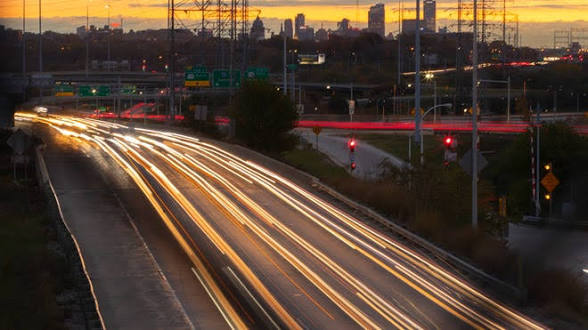
The latest Wisconsin DOT alert is drawing widespread attention as highway construction projects, lane closures, and infrastructure upgrades continue to affect travel across the state. From major interstate corridors to local highways, commuters and vacation travelers are facing delays that are fueling concerns about traffic congestion, economic impacts, and road safety.
The Wisconsin Department of Transportation (WisDOT) has launched one of its most ambitious construction seasons in recent years, with hundreds of active projects aimed at modernizing roads, bridges, and transportation infrastructure. While state officials say the improvements are necessary, many residents and travelers are expressing frustration over increasing delays and detours.
As the busy summer travel season approaches, the Wisconsin DOT alert has become a major topic of discussion among motorists, local businesses, transportation experts, and online communities.
Why the Wisconsin DOT Alert Is Making Headlines
WisDOT announced that more than 400 highway improvement projects are scheduled across Wisconsin during the 2026 construction season. Officials say these projects are designed to improve safety, reduce future maintenance costs, and support long-term economic growth. However, the sheer scale of the construction work is creating significant travel disruptions.
Transportation Secretary Kristina Boardman emphasized that safety remains the department’s top priority. The agency is urging drivers to plan ahead, monitor traffic conditions, and use available travel information systems before heading onto Wisconsin highways.
For many drivers, though, the immediate reality is longer travel times, unexpected lane closures, and changing traffic patterns.
Major Highway Projects Driving Delays
Several large-scale transportation projects are contributing to the travel concerns highlighted in the Wisconsin DOT alert.
I-41 Expansion and Rehabilitation Projects
One of the state’s most significant infrastructure efforts remains the ongoing I-41 expansion project between Appleton and De Pere. Construction crews continue to work on roadway improvements designed to increase capacity and improve traffic flow.
Meanwhile, new rehabilitation projects on I-41 in the Green Bay area are expected to continue for years. WisDOT officials have warned drivers about lane restrictions, flyover ramp repairs, and future ramp closures that could affect daily commutes and regional traffic patterns.
US 53 Construction Work
Motorists traveling along US 53 have already experienced multiple lane closure phases near the US 12 interchange. Construction work involving bridge approaches and pavement replacement has resulted in split lanes, reduced speeds, and traffic backups during peak travel periods. WisDOT has repeatedly warned drivers to expect delays and consider alternate routes.
Highway 51 Closures
In northern Wisconsin, portions of Highway 51 have undergone significant repairs involving pavement restoration, resurfacing, and bridge maintenance. Temporary closures and detours have forced drivers to alter travel plans while construction crews work to extend the roadway’s lifespan.
I-94 Reconstruction
Major reconstruction efforts along Interstate 94 continue to generate concern among Milwaukee-area drivers. Long-term bridge closures, ramp adjustments, and phased construction schedules are expected to affect traffic for an extended period.
Travelers Feeling the Impact
The Wisconsin DOT alert has become particularly important for tourists and families preparing for summer travel.
Wisconsin’s popular vacation destinations, including Wisconsin Dells, northern lake communities, and regional recreation areas, typically experience increased traffic during warmer months. Construction-related delays have raised concerns about longer travel times during weekends and holiday periods.
Many travelers are turning to traffic monitoring systems and navigation apps to avoid construction zones. Online discussions show growing awareness among visitors who are adjusting routes to minimize delays.
The situation highlights a common challenge facing transportation agencies nationwide: balancing critical infrastructure improvements with the need to keep traffic moving efficiently.
Public Reactions Across America
The Wisconsin DOT alert has sparked a wide range of reactions online.
Some residents support the construction efforts, arguing that Wisconsin’s roads require extensive maintenance due to aging infrastructure and harsh winter weather conditions. Others believe the disruptions have become increasingly difficult to manage.
Social media users and community forums have become active spaces for discussing road conditions, construction timelines, and alternative transportation strategies. Several discussions reflect frustration with recurring highway projects, while others acknowledge that repairs are necessary to prevent larger problems in the future.
The debate reflects a broader national conversation about infrastructure investment and transportation planning.
Economic Consequences of Highway Delays
Travel disruptions extend beyond simple inconvenience.
Highway construction delays can affect businesses that depend on reliable transportation networks. Delivery companies, logistics providers, retailers, tourism operators, and local service industries all feel the impact when travel times become unpredictable.
Experts note that while construction projects may temporarily slow economic activity in certain areas, improved infrastructure often delivers long-term benefits. Better roads can reduce vehicle maintenance costs, improve freight efficiency, and attract future investment.
WisDOT officials argue that today’s disruptions are intended to prevent more severe transportation problems in the years ahead.
Safety Remains a Key Concern
Safety is one of the primary reasons behind the ongoing highway improvement projects.
Many Wisconsin highways and bridges were originally built decades ago and now require substantial upgrades. Transportation officials say roadway deterioration, outdated designs, and increased traffic volumes have created conditions that demand significant investment.
Construction zones naturally create additional risks for both workers and drivers. Reduced speed limits, lane shifts, and changing traffic patterns require increased attention behind the wheel.
WisDOT continues to remind motorists to slow down in work zones and follow posted signs to prevent accidents. Recent incidents involving drivers ignoring road closure notices have reinforced the importance of obeying construction warnings.
Technology Helping Drivers Navigate Delays
Modern transportation technology is playing a growing role in helping motorists manage construction-related disruptions.
WisDOT encourages drivers to use the state’s 511 travel information system for real-time updates on road conditions, closures, incidents, and construction activity. The system provides valuable information that can help travelers select alternate routes and avoid major congestion areas.
Navigation applications, GPS services, and digital traffic alerts have become essential tools for commuters seeking the fastest routes through active construction zones.
As highway projects continue throughout 2026, access to real-time traffic information is expected to become even more important.
Long-Term Benefits Behind the Delays
Despite current frustrations, transportation experts generally agree that infrastructure investment remains essential.
Wisconsin’s highway system serves millions of drivers each year and supports critical economic activity throughout the Midwest. Without ongoing maintenance and modernization efforts, road conditions could deteriorate further, resulting in greater safety risks and higher repair costs.
Several ongoing projects are designed not only to repair existing infrastructure but also to prepare highways for future traffic growth. Improved bridges, upgraded interchanges, expanded capacity, and modernized roadway designs can help reduce congestion and improve safety over the coming decades.
For state officials, the goal is clear: short-term inconvenience in exchange for long-term transportation reliability.
What Drivers Should Expect Next
Construction activity is expected to remain intense throughout much of 2026.
WisDOT has indicated that projects will continue in every county across Wisconsin, meaning drivers should prepare for changing traffic conditions throughout the year. Seasonal travel peaks may further increase congestion around active construction zones.
Motorists are advised to:
- Check traffic conditions before departure.
- Allow additional travel time.
- Follow posted construction zone speed limits.
- Consider alternate routes when available.
- Stay informed through official transportation updates.
While delays may continue in the months ahead, transportation officials believe the completed projects will provide lasting improvements for Wisconsin’s road network.
Conclusion
The latest Wisconsin DOT alert highlights the challenges that come with major infrastructure investment. While highway project delays are creating travel concerns for commuters, tourists, and businesses, transportation officials maintain that the work is necessary to improve safety and modernize Wisconsin’s aging road system.
With more than 400 projects underway statewide, drivers should expect ongoing construction activity throughout 2026. As America continues to invest in transportation infrastructure, Wisconsin has become a high-profile example of the balancing act between rebuilding critical highways and maintaining smooth travel for millions of motorists.
For now, patience, planning, and real-time traffic monitoring remain the best tools for navigating Wisconsin’s busy construction season.
Frequently Asked Questions (FAQs)
What is the Wisconsin DOT alert about?
The Wisconsin DOT alert focuses on major highway construction projects, lane closures, and travel delays affecting drivers across the state during the 2026 construction season.
Why are there so many road projects in Wisconsin?
WisDOT has launched more than 400 infrastructure improvement projects to repair aging roads, modernize highways, improve safety, and support long-term economic growth.
Which highways are experiencing the biggest delays?
Major impacts have been reported on I-41, I-94, US 53, and Highway 51, along with numerous regional and local road projects.
How can drivers avoid construction delays?
Motorists can use Wisconsin’s 511 travel information system, navigation apps, and traffic alerts to identify alternate routes and monitor real-time conditions.
Will these projects improve traffic in the future?
Transportation officials say the completed projects are expected to enhance safety, improve traffic flow, reduce maintenance needs, and support future economic development.
About the Author