White House Showdown: Administration Pressure Mounts, Political Tensions Rise
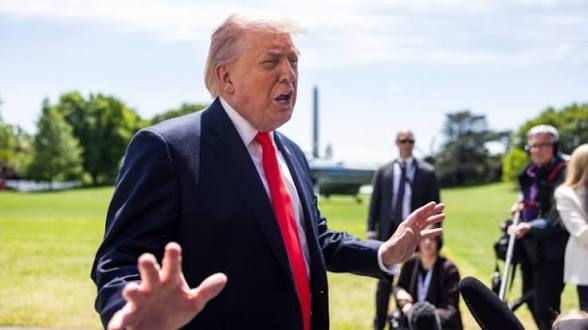
The political atmosphere in Washington has reached another boiling point as the White House faces mounting pressure from lawmakers, critics, international developments, and growing public scrutiny. Across the United States, debates over economic policy, security spending, immigration, foreign affairs, and presidential authority are driving a sharp increase in political tensions.
In recent weeks, the White House has become the center of multiple controversies involving congressional negotiations, security concerns, executive actions, and international diplomacy. Political analysts say the administration is entering one of its most challenging periods of 2026 as pressure intensifies from both allies and opponents.
The phrase “White House showdown” now reflects a broader national struggle over leadership, policy direction, and the future of American governance.
Recent reports indicate that disputes over federal funding, foreign policy decisions, and executive authority are deepening divisions across Washington.
Political Pressure Builds Inside Washington
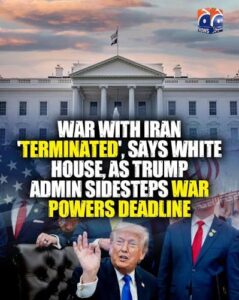
Political tensions in the nation’s capital have been escalating for months. Lawmakers remain divided over major issues including immigration, inflation, government spending, and national security.
Congressional leaders are struggling to reach consensus on several major legislative priorities. Budget negotiations remain tense, while election-season rhetoric continues raising political stakes nationwide.
At the center of the debate is the White House itself. Critics argue the administration is expanding executive influence while opponents accuse political rivals of obstructing policy progress for electoral gain.
The political climate has become increasingly polarized as Americans prepare for another intense election cycle. Analysts say both parties are using the current moment to energize their voter bases, contributing to rising tensions across federal institutions.
White House Security Debate Sparks Controversy
One of the most controversial developments involves the White House push for additional security funding linked to major renovation and expansion efforts.
Reports show the administration sought nearly $1 billion in security-related funding tied to improvements around the White House complex, including a proposed ballroom project. However, several Republican lawmakers reportedly opposed the proposal, creating rare internal resistance within party ranks.
The issue quickly became politically explosive.
Supporters argue enhanced security measures are necessary due to growing threats against public officials and recent security incidents. Critics, however, claim the proposal sends the wrong message during a period of economic strain and inflation pressure.
The controversy intensified after the Senate parliamentarian reportedly blocked portions of the funding effort, adding another layer of political conflict.
This debate reflects a broader challenge facing the administration: balancing security priorities with growing voter frustration over economic conditions.
Economic Concerns Add to Administration Pressure
Economic anxiety remains one of the biggest challenges confronting the White House in 2026.
Although some economic indicators remain stable, many Americans continue feeling pressure from high living costs, elevated fuel prices, and housing affordability problems. Several political commentators argue these economic frustrations are fueling broader dissatisfaction with Washington leadership.
A recent Reuters report highlighted criticism surrounding the administration’s focus on White House construction and renovation efforts while many voters remain worried about inflation and financial uncertainty.
Economic concerns have become central to political messaging nationwide. Campaigns across both parties are heavily emphasizing inflation, taxation, employment, and public spending.
At the same time, international instability and geopolitical tensions are increasing market uncertainty. Energy prices remain volatile due to ongoing global conflicts and trade concerns, further complicating the administration’s economic strategy.
Political strategists say economic perceptions could play a decisive role in shaping public opinion heading into upcoming elections.
Foreign Policy Tensions Intensify
Foreign policy has also emerged as a major source of pressure on the administration.
Recent reports surrounding tensions with Iran, Venezuela, NATO allies, and Middle East diplomacy have placed the White House under growing international scrutiny.
The administration’s approach to military strategy and diplomatic negotiations has generated mixed reactions both domestically and abroad.
Critics argue the White House is taking increasingly aggressive positions that risk escalating geopolitical instability. Supporters, meanwhile, claim strong leadership is necessary to protect American interests and maintain global influence.
Reports surrounding internal disagreements over foreign policy have also fueled speculation about divisions within the administration. Commentary surrounding former intelligence officials and military policy debates continues attracting national attention.
As international tensions rise, the White House faces growing pressure to reassure allies while avoiding broader global conflict.
AI Oversight and Executive Authority Become Flashpoints
Another major political battle centers around artificial intelligence regulation and executive power.
Recent reports revealed that a planned White House executive order on AI oversight faced delays amid internal concerns and industry pressure.
Technology leaders, lawmakers, and policy experts remain divided over how aggressively the federal government should regulate emerging AI systems.
Supporters of oversight argue stronger safeguards are necessary to prevent security risks and misinformation. Opponents warn that excessive regulation could slow American innovation and weaken competitiveness against foreign rivals.
The debate has quickly evolved into a broader political issue involving presidential authority, federal regulation, and the future of technological leadership.
The White House now finds itself balancing pressure from national security advocates, Silicon Valley leaders, and political allies with competing priorities.
Rising Security Threats Increase National Anxiety
Security concerns surrounding the White House have intensified following several recent incidents involving threats and violence.
A recent shooting near a White House security checkpoint triggered renewed discussions about political extremism and public safety. Authorities responded rapidly, but the event added to national concerns over escalating political violence.
Political leaders from both parties condemned the violence and called for unity, though disagreements continue regarding the underlying causes of rising extremism.
Security experts warn that heightened polarization and increasingly aggressive political rhetoric may contribute to greater risks in the months ahead.
The White House has responded by emphasizing security preparedness and law enforcement coordination. However, critics argue deeper societal tensions remain unresolved.
Congressional Gridlock Continues
Congressional dysfunction remains another major obstacle confronting the administration.
Negotiations over spending bills, immigration reform, defense funding, and social programs continue facing delays due to partisan conflict.
Lawmakers on both sides accuse opponents of prioritizing political advantage over policy solutions.
This gridlock has contributed to public frustration with Washington politics overall. Surveys and commentary increasingly suggest many voters are exhausted by constant political confrontation.
Despite these frustrations, neither party appears willing to compromise significantly ahead of key elections.
The White House must now navigate an increasingly difficult political landscape where legislative victories are harder to secure and public patience is wearing thin.
Immigration and Border Policy Remain Central Issues
Immigration policy continues dominating national political debate.
Border security, asylum processing, and federal immigration enforcement remain among the most contentious issues in Washington. Several recent reports indicate ongoing disagreements between lawmakers over funding and enforcement priorities.
The administration faces pressure from multiple directions.
Some critics argue border enforcement measures remain insufficient, while others claim current policies are too aggressive and harmful to immigrant communities.
This divide has intensified political rhetoric nationwide, especially as election campaigns increasingly focus on immigration-related messaging.
Political analysts believe immigration will remain one of the defining issues shaping public opinion throughout 2026.
Public Opinion and Media Spotlight
The media spotlight surrounding the White House has grown significantly as controversies continue unfolding.
Cable news networks, digital media platforms, and social media discussions are amplifying political divisions daily. Public reactions remain sharply divided depending on political affiliation and policy priorities.
Some Americans view the administration as responding decisively to complex national challenges. Others believe the White House is contributing to instability through confrontational politics and controversial policy decisions.
The rapid pace of political news cycles has also increased public fatigue. Nevertheless, attention surrounding the White House remains extraordinarily high as every development carries national political implications.
Election Pressure Changes the Political Landscape
The approaching election cycle is adding enormous pressure across Washington.
Candidates nationwide are using White House controversies to mobilize supporters, shape campaign narratives, and influence fundraising efforts.
Issues like inflation, national security, immigration, healthcare, and federal spending are dominating campaign speeches and political advertising.
The White House must now manage governance challenges while simultaneously navigating growing political attacks from rivals preparing for upcoming elections.
Political strategists say this combination of governing pressure and campaign pressure is contributing to one of the most tense political environments in recent years.
What Happens Next?
The future direction of the White House showdown remains uncertain.
Several key developments could shape the coming months:
- Congressional budget negotiations
- National security decisions
- Immigration policy reforms
- Economic performance
- International diplomacy
- AI regulation debates
- Election campaign momentum
Any major breakthrough or controversy could rapidly shift political dynamics.
For now, however, one reality is clear: political tensions surrounding the White House continue rising, and the administration faces mounting pressure from nearly every direction.
Washington remains deeply divided, public frustration continues growing, and national attention remains fixed on the battles unfolding inside America’s political center.
FAQs
What is the “White House Showdown” about?
The term refers to growing political tensions involving the White House, Congress, national security, economic policy, and election-year conflicts.
Why is the White House under pressure in 2026?
The administration is facing criticism and scrutiny over economic challenges, security funding debates, immigration policy, foreign affairs, and executive actions.
What caused controversy over White House security funding?
The administration reportedly pushed for additional security funding tied to White House projects, including a ballroom proposal, which faced opposition in Congress.
How are economic issues affecting political tensions?
Inflation, fuel costs, housing concerns, and broader financial uncertainty are increasing public frustration and intensifying political debates nationwide.
Why is AI regulation becoming a political issue?
The White House faced debate over proposed AI oversight measures, with disagreements emerging between policymakers, technology companies, and security experts.
How are elections influencing current political tensions?
Election campaigns are amplifying divisions over immigration, spending, national security, and economic policy as candidates compete for voter support ahead of major races.
Are security concerns around the White House increasing?
Yes. Recent incidents involving threats and violence near the White House have renewed concerns about political extremism and national security.
What major issues are driving Washington gridlock?
Budget negotiations, immigration reform, defense funding, taxation, healthcare, and executive authority disputes are all contributing to ongoing congressional deadlock.
h
How useful was this post?
Click on a star to rate it!
Average rating 0 / 5. Vote count: 0
No votes so far! Be the first to rate this post.
About the Author

usa5911.com
Administrator
Hi, I’m Gurdeep Singh, a professional content writer from India with over 3 years of experience in the field. I specialize in covering U.S. politics, delivering timely and engaging content tailored specifically for an American audience. Along with my dedicated team, we track and report on all the latest political trends, news, and in-depth analysis shaping the United States today. Our goal is to provide clear, factual, and compelling content that keeps readers informed and engaged with the ever-changing political landscape.