Robert Harward Spotlight: National Security Debate, Pentagon Pressure, America Reacts
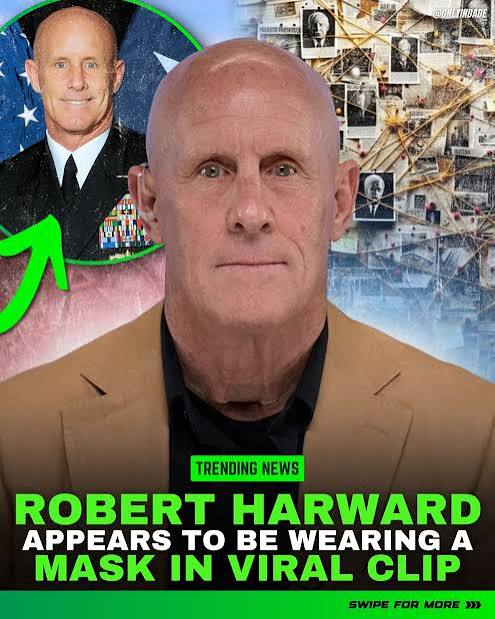
The name Robert Harward has returned to national conversation as debates around American security policy, Pentagon leadership, and military readiness continue to intensify. Across political circles, defense analysts, veterans, and social media users, discussions about experienced national security leadership are gaining momentum amid rising global instability.
Harward, a retired Navy SEAL vice admiral with decades of operational experience, has increasingly become part of broader conversations surrounding America’s military preparedness, geopolitical strategy, and defense priorities. His past association with White House national security discussions and his public commentary on defense readiness have pushed his name back into the spotlight.
As tensions continue to grow internationally and debates over Pentagon reforms dominate headlines, many Americans are asking whether experienced military strategists like Harward represent a stabilizing voice during uncertain times.
Who Is Robert Harward?
Robert Harward served for more than three decades in the United States Navy, building a reputation as one of the country’s respected special operations leaders.
A former Navy SEAL, Harward commanded multiple operations connected to U.S. counterterrorism and military strategy. During his military career, he worked closely with special operations forces and later became Deputy Commander of U.S. Central Command under James Mattis.
Harward gained national recognition in 2017 when then-President Donald Trump reportedly offered him the position of National Security Adviser following the resignation of Michael Flynn. However, Harward declined the role, reportedly citing family considerations and disagreements over staffing autonomy.
That decision helped shape his public image as an independent military leader willing to prioritize institutional structure and strategic discipline over political pressure.
Why Robert Harward Is Trending Again
The renewed interest in Harward comes during a period of intense debate over Pentagon policies, military modernization, and global conflict management.
Defense analysts have pointed toward several key developments fueling public attention:
- Concerns over military leadership restructuring
- Growing geopolitical tensions involving the Middle East and Asia
- Discussions around defense technology and artificial intelligence
- Questions regarding Pentagon readiness and operational focus
- Increasing political polarization surrounding national security
Harward’s recent commentary about American energy security and defense readiness also reignited interest in his views on strategic stability. In a recent opinion article, Harward warned that weakening America’s industrial and energy base could create long-term national security risks.
Many supporters argue that voices like Harward’s represent traditional military professionalism at a time when national security conversations are becoming increasingly politicized.
Pentagon Pressure and National Security Concerns
The Pentagon remains under enormous scrutiny in 2026 as policymakers debate defense spending, force readiness, leadership changes, and emerging technological threats.
Recent controversies surrounding military leadership decisions and organizational restructuring have generated widespread discussion across Washington. Reports connected to Pentagon policy changes and leadership tensions have further intensified public debate.
Within that environment, retired military leaders like Harward are being viewed through a new lens. Many Americans are revisiting his previous role in national security discussions and questioning whether experienced strategic voices are being overlooked.
Several defense experts believe the United States faces simultaneous challenges including:
- Cybersecurity threats
- Rising global military competition
- Middle East instability
- AI-driven warfare evolution
- Energy security vulnerabilities
- Supply chain defense concerns
Harward’s emphasis on preparedness, strategic partnerships, and industrial resilience aligns with broader discussions currently taking place inside defense and intelligence circles.
America Reacts on Social Media
Online reactions to Harward’s renewed visibility have been intense and divided.
Some users praised him as a disciplined military professional with deep operational knowledge. Others argued that America needs more experienced national security leaders who are willing to prioritize institutional stability instead of political narratives.
Supporters described Harward as:
- Experienced
- Strategic
- Independent-minded
- Respected within military circles
- Focused on operational readiness
Meanwhile, critics argued that America’s national security establishment requires modernization and broader reform rather than returning to older defense frameworks.
Across platforms like X, YouTube, and political forums, the debate reflects a broader national divide about how America should approach military leadership in a rapidly changing global environment.
Robert Harward’s Military Background Still Shapes Public Perception
One reason Harward continues to attract attention is his operational credibility.
Unlike many political commentators, Harward’s reputation comes directly from years of military service, including deployments connected to counterterrorism and special operations missions. According to public records, he commanded multinational task forces and played major roles in U.S. strategic operations following the September 11 attacks.
His leadership within special operations communities earned respect among defense professionals and veterans.
That credibility matters during periods of uncertainty because many Americans continue to place significant trust in experienced military figures when evaluating national security issues.
The Growing Debate Over Military Leadership
The renewed spotlight on Harward also connects to larger questions surrounding military leadership culture in the United States.
Critics of recent Pentagon decisions argue that excessive political influence can undermine strategic effectiveness. Others believe civilian oversight and institutional reform are necessary to modernize defense operations for future threats.
This debate has intensified amid conversations about:
- Pentagon restructuring
- Officer promotions
- Defense technology partnerships
- Artificial intelligence integration
- Media relations within defense institutions
- Operational transparency
Some analysts believe retired figures like Harward symbolize a more traditional command-driven approach focused heavily on discipline, readiness, and chain-of-command stability.
Others argue that future warfare requires more adaptive, technology-oriented leadership structures capable of responding to rapidly evolving threats.
National Security Challenges Facing America in 2026
The reason discussions around Harward resonate so strongly is because Americans increasingly feel surrounded by global uncertainty.
Several ongoing geopolitical concerns continue dominating national security conversations:
Middle East Tensions
Instability involving Iran, maritime security concerns, and regional military activity remain major priorities for U.S. defense planners.
China and Indo-Pacific Competition
Growing competition between the United States and China has reshaped military planning and defense spending priorities.
Cybersecurity Threats
Cyber warfare and infrastructure attacks remain major national security fears.
Artificial Intelligence in Warfare
Military AI integration has become one of the fastest-growing defense debates worldwide.
Energy Security
Harward recently emphasized the relationship between energy production and national defense capability, arguing that weakening industrial resilience could undermine military readiness.
These overlapping pressures help explain why experienced military voices continue attracting public attention.
Robert Harward and the Future of Defense Strategy
Although Harward does not currently hold public office, his name remains influential within defense and national security discussions.
His career path—from Navy SEAL operations to strategic leadership and private-sector defense work—gives him credibility across multiple sectors.
Public interest in Harward also reflects a broader American tendency to look toward military leaders during periods of instability and uncertainty.
Whether or not he returns to a formal advisory role in the future, discussions around his leadership style reveal deeper national concerns about:
- Strategic consistency
- Defense readiness
- Political influence in military affairs
- Long-term security planning
- America’s global role
Why This Debate Matters Beyond Politics
The growing focus on Harward is ultimately about more than one individual.
It reflects broader public anxiety surrounding America’s direction in a rapidly changing world.
Questions Americans are increasingly asking include:
- Is the Pentagon prepared for future threats?
- Are experienced military voices being heard?
- How should America balance technology and traditional strategy?
- Can national security remain separate from partisan politics?
- Is U.S. global leadership becoming more fragile?
Harward’s name has become part of that larger national conversation because he represents a particular model of military leadership rooted in operational experience and strategic discipline.
Public Trust and Military Leadership
Polls over many years have consistently shown that the U.S. military remains one of America’s most trusted institutions.
That trust helps explain why retired military leaders often continue influencing public debate long after leaving active service.
For some Americans, Harward represents professionalism and strategic stability. For others, his prominence reflects the continuing overlap between military leadership and political discourse.
Regardless of viewpoint, his renewed visibility demonstrates how national security concerns remain deeply connected to public confidence in American institutions.
Conclusion
The renewed attention surrounding Robert Harward highlights the growing intensity of America’s national security debate.
As Pentagon pressures, global tensions, and defense policy battles continue dominating headlines, experienced military figures are once again becoming central to public discussion. Harward’s background, operational experience, and strategic commentary have positioned him as an important voice within those conversations.
Whether viewed as a symbol of traditional military leadership or as part of a broader defense establishment debate, Harward’s renewed spotlight reflects the anxieties and divisions shaping America’s national security landscape in 2026.
FAQs
Who is Robert Harward?
Robert Harward is a retired U.S. Navy SEAL vice admiral who previously served as Deputy Commander of U.S. Central Command and later worked in defense-related private sector roles.
Why is Robert Harward trending?
Harward is trending due to growing national security debates, Pentagon leadership discussions, and renewed public interest in experienced military figures amid global tensions.
Did Robert Harward serve in the Trump administration?
Harward was reportedly offered the role of National Security Adviser by Donald Trump in 2017 but declined the position.
What are Robert Harward’s views on national security?
Harward has emphasized military readiness, industrial resilience, energy security, and strong strategic partnerships as essential components of national defense.
Why are Pentagon debates important right now?
Pentagon debates are important because the United States faces multiple challenges including cyber threats, geopolitical tensions, AI-driven warfare, and defense modernization pressures.
What role do retired military leaders play in public debate?
Retired military leaders often influence public discussions on defense policy, national security, and military readiness because of their operational experience and institutional credibility.
How useful was this post?
Click on a star to rate it!
Average rating 0 / 5. Vote count: 0
No votes so far! Be the first to rate this post.
About the Author

usa5911.com
Administrator
Hi, I’m Gurdeep Singh, a professional content writer from India with over 3 years of experience in the field. I specialize in covering U.S. politics, delivering timely and engaging content tailored specifically for an American audience. Along with my dedicated team, we track and report on all the latest political trends, news, and in-depth analysis shaping the United States today. Our goal is to provide clear, factual, and compelling content that keeps readers informed and engaged with the ever-changing political landscape.