Ebola Outbreak Alert: Health Emergency Fears, Virus Spread, Global Reacts
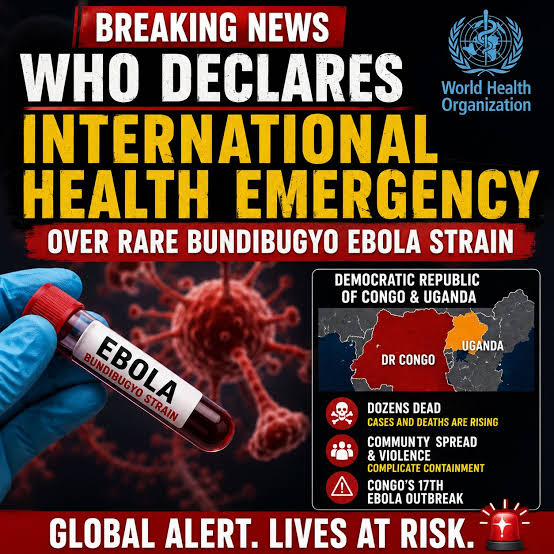
A fresh Ebola outbreak alert has raised fears across the international health community as cases continue to emerge in parts of Central Africa. Health agencies, governments, and medical organizations are increasing surveillance and emergency response efforts amid concerns about the possible spread of the deadly virus beyond affected regions. According to the latest reports, the outbreak has been linked to the Bundibugyo strain of Ebola, a rare variant that currently has no approved vaccine specifically designed for it.
The outbreak has primarily affected the Democratic Republic of the Congo (DRC) and neighboring Uganda, where officials have confirmed multiple suspected and laboratory-confirmed cases. The World Health Organization (WHO) has officially declared the outbreak a Public Health Emergency of International Concern (PHEIC), highlighting the seriousness of the situation.
As global attention intensifies, many people are asking important questions about Ebola symptoms, transmission risks, travel safety, and the possibility of a wider international health crisis. This article explores everything currently known about the outbreak, the global reaction, and what it means for public health worldwide.
What Is Ebola?
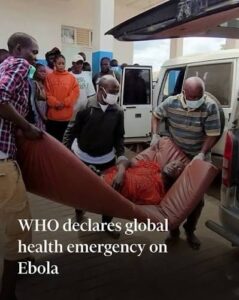
Ebola virus disease (EVD) is a severe and often deadly illness caused by infection with viruses from the Ebola family. The disease was first identified in 1976 near the Ebola River in what is now the Democratic Republic of the Congo.
The virus spreads through direct contact with:
- Blood or bodily fluids of infected individuals
- Contaminated surfaces or medical equipment
- Infected animals such as bats or primates
Symptoms often begin suddenly and can include:
- High fever
- Muscle pain
- Severe weakness
- Vomiting
- Diarrhea
- Internal or external bleeding
Ebola is known for its high fatality rate, especially in areas with limited healthcare infrastructure. Some outbreaks in history have recorded mortality rates above 50%.
Latest Ebola Outbreak: What Happened?
The current Ebola outbreak alert emerged after health authorities in the Democratic Republic of the Congo identified clusters of severe illness and deaths in Ituri Province. Laboratory testing later confirmed Ebola infections linked to the Bundibugyo strain.
According to WHO and Africa CDC reports:
- More than 200 suspected cases have been investigated
- Dozens of deaths have already been reported
- Uganda has also confirmed imported cases
- Several healthcare workers are among those infected
Health officials believe cross-border movement and regional insecurity could complicate containment efforts.
The outbreak has triggered emergency coordination efforts involving:
- World Health Organization (WHO)
- Africa CDC
- National governments
- International humanitarian organizations
Medical teams are conducting:
- Contact tracing
- Community awareness campaigns
- Isolation procedures
- Laboratory testing
- Emergency treatment operations
Why Experts Are Worried About This Ebola Strain
One major concern surrounding the outbreak is the specific virus strain involved. The Bundibugyo Ebola strain is considered relatively rare compared to the more common Zaire strain. Experts say currently available Ebola vaccines and treatments were mainly designed for other variants.
This creates several challenges:
Limited Vaccine Protection
Existing vaccines such as Ervebo were developed for the Zaire strain and may not offer strong protection against Bundibugyo Ebola.
Lack of Proven Treatments
Some monoclonal antibody therapies approved for other Ebola strains may not work effectively in this outbreak.
Difficult Surveillance
The outbreak is occurring in areas with:
- Population displacement
- Armed conflict
- Weak healthcare systems
- Poor transportation infrastructure
These conditions make rapid containment more difficult.
WHO Declares International Health Emergency
The World Health Organization officially declared the Ebola outbreak a Public Health Emergency of International Concern on May 17, 2026.
This designation is reserved for extraordinary health events that may require a coordinated international response. Previous emergencies have included:
- COVID-19
- Mpox outbreaks
- Polio resurgence
- Zika virus
WHO officials stated that rapid virus spread and the risk of regional transmission influenced the decision.
The declaration allows:
- Faster global funding
- Emergency medical support
- International coordination
- Accelerated research efforts
Global Reactions To The Ebola Outbreak Alert
Governments and health agencies worldwide are closely monitoring developments.
Increased Airport Screening
Several countries have introduced enhanced traveler screening for passengers arriving from affected regions.
Travel Advisories
Health agencies are advising travelers to exercise caution and follow public health guidance. Some governments may update travel restrictions depending on outbreak progression.
Emergency Medical Preparations
Hospitals in multiple countries are reviewing isolation protocols and infectious disease readiness plans.
Public Concern Online
Social media platforms have seen increased discussions about the outbreak, with many users comparing the situation to early COVID-19 responses.
Some experts, however, stress that Ebola spreads differently from airborne respiratory viruses and is generally easier to contain when proper health measures are followed.
How Ebola Spreads
Understanding Ebola transmission is critical for preventing panic and misinformation.
The virus does not spread through casual airborne exposure like influenza or COVID-19.
Transmission usually occurs through:
- Direct contact with bodily fluids
- Caring for infected patients
- Unsafe burial practices
- Contact with contaminated surfaces
Healthcare workers are particularly vulnerable if proper protective equipment is unavailable.
Can Ebola Become A Global Pandemic?
Many people are asking whether Ebola could become another worldwide pandemic.
Experts say Ebola is less contagious than airborne diseases because it requires close physical contact for transmission. However, international health officials remain concerned because:
- Infected travelers can cross borders
- Healthcare systems in outbreak regions face strain
- Delayed detection increases spread risks
WHO currently considers the situation a severe international emergency, though not a pandemic at this stage.
Rapid containment remains the primary goal.
Lessons Learned From Previous Ebola Outbreaks
The world has faced several major Ebola outbreaks in the past, including:
2014–2016 West Africa Outbreak
This was the deadliest Ebola epidemic in history, affecting Guinea, Liberia, and Sierra Leone. Thousands of people died before global response systems improved.
Congo Outbreaks
The Democratic Republic of the Congo has experienced multiple Ebola outbreaks since 1976, giving local health authorities significant experience managing the disease.
Vaccine Progress
Past outbreaks accelerated vaccine research and improved outbreak response systems globally.
Despite these advances, experts warn that new strains and unstable regional conditions still create major risks.
Current Response Measures
Health organizations are rapidly scaling up emergency operations.
Contact Tracing
Authorities are identifying individuals who may have interacted with infected patients.
Isolation Centers
Dedicated treatment facilities are being established to reduce transmission.
Community Education
Health workers are educating local populations about:
- Safe hygiene practices
- Early symptom reporting
- Avoiding unsafe burials
Medical Supply Deliveries
WHO and partner organizations are airlifting medical supplies, testing kits, and protective equipment into affected regions.
Symptoms To Watch For
Ebola symptoms may appear between 2 and 21 days after exposure.
Common warning signs include:
- Fever
- Chills
- Severe fatigue
- Muscle aches
- Vomiting
- Diarrhea
- Unexplained bleeding
Anyone who recently traveled to outbreak areas and develops symptoms should seek medical care immediately.
How People Can Protect Themselves
Health experts recommend several practical precautions:
Maintain Good Hygiene
Frequent handwashing remains important.
Avoid Contact With Bodily Fluids
Do not touch blood, vomit, or other fluids from potentially infected individuals.
Follow Travel Guidance
Monitor updates from official health agencies before international travel.
Trust Verified Sources
Avoid misinformation spreading on social media.
Reliable information can be found through organizations such as:
- WHO
- CDC
- Africa CDC
- National health ministries
Impact On Global Healthcare Systems
Although the outbreak remains concentrated in Central Africa, healthcare systems worldwide are preparing for possible imported cases.
Air travel increases the importance of:
- Rapid testing
- Border monitoring
- Emergency preparedness
- Hospital isolation capacity
Countries learned from COVID-19 that early action is essential during infectious disease emergencies.
Why Public Communication Matters
Health experts warn that fear and misinformation can worsen outbreaks.
Public trust is critical because communities must cooperate with:
- Isolation rules
- Contact tracing
- Medical treatment efforts
During previous Ebola outbreaks, distrust sometimes delayed response efforts and increased transmission.
Clear communication may help reduce panic while encouraging responsible precautions.
Scientific Research Intensifies
Researchers are now studying:
- Genetic sequencing of the virus
- Potential vaccine adaptations
- Experimental treatments
- Improved diagnostic tests
Scientists hope lessons from previous Ebola outbreaks will speed up response timelines.
International collaboration between governments, universities, and pharmaceutical companies is expected to increase significantly in the coming weeks.
Economic And Social Concerns
Outbreaks can affect economies through:
- Travel disruptions
- Reduced tourism
- Healthcare costs
- Trade interruptions
Communities in affected regions may also face:
- School closures
- Fear-driven migration
- Economic instability
Global markets often react cautiously to major public health emergencies.
The Importance Of Early Detection
One of the most important tools against Ebola is rapid identification of cases.
Early detection helps:
- Prevent wider transmission
- Protect healthcare workers
- Improve survival rates
- Strengthen containment strategies
Experts say investment in disease surveillance systems remains essential worldwide.
Global Solidarity During Health Emergencies
International health officials continue calling for global cooperation.
Outbreak response requires:
- Funding
- Medical expertise
- Laboratory support
- Humanitarian coordination
WHO officials emphasize that infectious diseases do not respect borders, making international collaboration critical.
Conclusion
The latest Ebola outbreak alert has placed global health systems on high alert as authorities race to contain virus spread in Central Africa. With the WHO declaring a Public Health Emergency of International Concern, international attention is intensifying around the Bundibugyo Ebola strain and the challenges it presents.
While experts stress that Ebola is not as easily transmitted as airborne viruses, the outbreak remains serious due to regional instability, limited treatment options, and concerns about cross-border spread. Governments, healthcare organizations, and scientists are now working urgently to strengthen surveillance, improve treatment access, and prevent wider international transmission.
Public awareness, accurate information, and coordinated global action will likely play a major role in determining how effectively this outbreak is controlled in the weeks ahead.
FAQs
What is the current Ebola outbreak about?
The latest Ebola outbreak involves the Bundibugyo strain affecting parts of the Democratic Republic of the Congo and Uganda. WHO has declared it a global health emergency.
How does Ebola spread?
Ebola spreads through direct contact with bodily fluids, contaminated surfaces, or infected individuals and animals.
Is Ebola airborne?
No. Ebola is not considered an airborne virus like COVID-19 or influenza.
What are the symptoms of Ebola?
Symptoms include fever, weakness, vomiting, diarrhea, muscle pain, and bleeding.
Is there a vaccine for this Ebola strain?
Current Ebola vaccines mainly target other strains, and experts say there is no specifically approved vaccine for the Bundibugyo variant yet.
Why did WHO declare a global health emergency?
WHO cited rapid spread risks, cross-border transmission concerns, and limited treatment options.
Can Ebola become a pandemic?
Health experts say Ebola spreads less easily than airborne diseases, but international monitoring remains critical.
Which countries are currently affected?
The outbreak has mainly affected the Democratic Republic of the Congo and Uganda.
How useful was this post?
Click on a star to rate it!
Average rating 0 / 5. Vote count: 0
No votes so far! Be the first to rate this post.
About the Author

usa5911.com
Administrator
Hi, I’m Gurdeep Singh, a professional content writer from India with over 3 years of experience in the field. I specialize in covering U.S. politics, delivering timely and engaging content tailored specifically for an American audience. Along with my dedicated team, we track and report on all the latest political trends, news, and in-depth analysis shaping the United States today. Our goal is to provide clear, factual, and compelling content that keeps readers informed and engaged with the ever-changing political landscape.