US Gas Station Hack: Iran Cyber Threat, Fuel System Breach, America Reacts
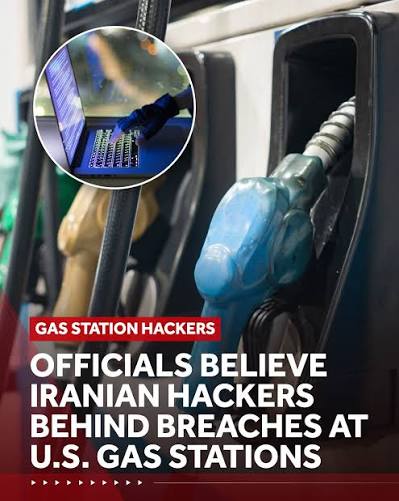
A growing cybersecurity scare involving American gas stations has sparked nationwide concern after reports emerged that Iranian-linked hackers may have breached fuel monitoring systems across multiple US states. The alleged cyber intrusion has intensified fears about the vulnerability of America’s critical infrastructure, especially as geopolitical tensions involving Iran continue to rise.
According to recent reports, hackers accessed automatic tank gauge systems used by gas stations to monitor underground fuel storage levels. Investigators believe many of these systems were exposed online without adequate password protection, creating an easy entry point for attackers. Officials say no actual fuel supply disruption occurred, but the incident has raised alarms about what future attacks could potentially achieve.
The US gas station hack story quickly became a major topic across news outlets and social media platforms, with Americans debating the nation’s cybersecurity readiness and the growing threat posed by state-linked hacking groups.
What Happened in the US Gas Station Hack?
The reported cyber incident involved automatic tank gauge systems, commonly known as ATGs. These digital systems help fuel stations monitor gasoline levels, leaks, and storage conditions in underground tanks.
Investigators discovered that some of these systems were connected directly to the internet without strong cybersecurity protections. In several cases, hackers reportedly manipulated displayed fuel-level readings, though officials stressed that the actual fuel inside the tanks was not altered.
Security experts warn that while the attack may appear limited, it exposed a dangerous weakness in America’s fuel infrastructure. If attackers gained deeper access in a future operation, they could theoretically interfere with fuel distribution, conceal leaks, or disrupt operations at a larger scale.
The incident has become especially alarming because gas stations are considered part of the country’s broader critical infrastructure network. Even minor disruptions can trigger panic buying, supply chain delays, and regional shortages.
Why Iran Is Being Linked to the Cyber Threat
US officials reportedly suspect Iranian-linked hackers due to Tehran’s long history of cyber operations targeting energy systems and industrial infrastructure. While investigators caution that attribution remains difficult, intelligence analysts point to similarities between this incident and past Iranian cyber campaigns.
Cybersecurity researchers have tracked multiple Iran-aligned hacking groups involved in attacks against energy facilities, industrial control systems, and utility networks worldwide. Recent threat assessments from cybersecurity firms have warned that Iranian cyber actors are increasingly targeting operational technology systems connected to real-world infrastructure.
Analysts say these attacks often aim to create psychological pressure, demonstrate capability, and expose vulnerabilities without necessarily causing immediate physical destruction.
The timing of the US gas station hack fears also comes amid heightened tensions in the Middle East and increased warnings from American cybersecurity agencies about retaliatory cyber campaigns.
America’s Fuel Infrastructure Faces New Questions
The latest breach has renewed debate about the security of America’s aging fuel infrastructure systems. Many gas stations, pipelines, and monitoring networks still rely on outdated software and weak internet protections.
Experts argue that smaller fuel operators are particularly vulnerable because they often lack dedicated cybersecurity teams or advanced network defenses.
The incident has reminded many Americans of the massive 2021 Colonial Pipeline ransomware attack, which temporarily disrupted fuel supplies across the southeastern United States and caused panic buying at gas stations.
Although the current gas station hack did not create shortages, the similarities are impossible to ignore. Both incidents revealed how cyberattacks on fuel infrastructure can rapidly create economic and social anxiety.
Industry experts now warn that fuel systems connected to the public internet without strong authentication mechanisms represent a major national security concern.
How Automatic Tank Gauge Systems Work
Automatic tank gauge systems are widely used across the fuel industry to monitor underground gasoline storage tanks. These systems track:
- Fuel levels
- Temperature readings
- Leak detection
- Inventory data
- Delivery information
Gas station operators rely on these systems daily to prevent spills, manage fuel inventory, and comply with environmental regulations.
However, many ATG systems were not originally designed with modern cybersecurity threats in mind. Some devices still operate using default passwords or outdated remote access configurations.
Cybersecurity researchers have repeatedly warned that poorly secured industrial systems connected to the internet create ideal targets for hackers.
The US gas station hack reports have now brought these long-standing concerns into the national spotlight.
Iranian Cyber Capabilities Continue Expanding
Iran has spent years developing advanced cyber warfare capabilities. Security analysts say Tehran uses a combination of state-sponsored hackers, proxy groups, and ideological hacktivists to conduct operations abroad.
Recent cybersecurity reports indicate that Iranian-linked actors have increasingly focused on industrial control systems and operational technology environments.
These groups often pursue objectives such as:
- Infrastructure disruption
- Intelligence gathering
- Political signaling
- Retaliatory cyber operations
- Psychological influence campaigns
Some Iran-linked groups have previously targeted water facilities, energy systems, transportation infrastructure, and government agencies.
Cybersecurity researchers warn that digital warfare is becoming a permanent feature of geopolitical conflicts, with infrastructure systems increasingly caught in the middle.
Public Reaction Across America
News of the US gas station hack spread quickly online, with many Americans expressing concern about the security of essential services.
On social media, users debated whether the government is doing enough to protect infrastructure from foreign cyber threats. Some called for stronger cybersecurity regulations, while others worried that fuel systems remain dangerously exposed.
Several commentators also criticized companies for leaving sensitive systems connected to the internet without proper safeguards.
The incident has fueled broader fears about how vulnerable daily life has become to digital disruption. Many Americans now realize that cyberattacks no longer target only computers or websites — they can potentially impact fuel supplies, electricity, water systems, hospitals, and transportation networks.
Experts Warn About Future Infrastructure Attacks
Cybersecurity experts say the reported fuel system intrusion should serve as a warning sign rather than a standalone event.
Operational technology systems controlling real-world infrastructure are increasingly becoming targets for hostile cyber actors. These systems were traditionally isolated from the internet, but modern remote management practices have expanded attack surfaces dramatically.
Experts recommend several urgent improvements:
Stronger Password Protections
Many industrial systems still use weak or default credentials.
Network Segmentation
Critical operational systems should remain separated from public-facing internet networks.
Multi-Factor Authentication
Remote access systems need stronger login protections.
Continuous Monitoring
Real-time threat detection can help identify suspicious activity early.
Federal Cybersecurity Standards
Some analysts believe stricter national regulations may eventually become necessary for critical infrastructure sectors.
The US gas station hack story may now accelerate discussions about nationwide infrastructure security reforms.
Could Fuel Supplies Have Been Disrupted?
Officials insist the recent incident did not alter actual fuel quantities or interrupt gasoline deliveries. However, cybersecurity specialists warn that the potential consequences could have been much worse under different circumstances.
Manipulating fuel monitoring systems could theoretically:
- Create false inventory readings
- Delay deliveries
- Trigger environmental risks
- Cause operational shutdowns
- Increase panic among consumers
In large-scale coordinated attacks, infrastructure disruptions can quickly spread economic instability and public fear.
This is why cybersecurity experts are treating the gas station breach as a serious national security issue despite the absence of physical damage.
The Growing Era of Cyber Warfare
The reported US gas station hack reflects a larger global shift toward cyber conflict. Nations increasingly use cyber operations as tools for espionage, retaliation, and strategic pressure.
Recent years have seen cyberattacks targeting:
- Hospitals
- Energy pipelines
- Airports
- Water treatment plants
- Financial systems
- Government agencies
Experts believe cyber warfare offers governments and proxy groups a way to create disruption without triggering direct military confrontation.
Iran, Russia, China, North Korea, and various non-state actors have all been linked to major cyber operations targeting infrastructure worldwide.
The challenge for governments is that cyberattacks are often difficult to trace conclusively, allowing attackers plausible deniability.
What the US Government Is Doing
Federal investigators and cybersecurity agencies are reportedly continuing to examine the fuel monitoring breaches.
Cybersecurity officials are also warning operators of critical infrastructure to review security settings and remove unnecessary internet exposure from industrial systems.
Recent threat advisories from cybersecurity researchers have emphasized the increased risk posed by Iran-linked cyber groups targeting operational technology environments.
The government may also increase collaboration with private fuel companies to strengthen infrastructure defenses and improve cyber incident reporting.
Many experts believe stronger public-private coordination will be essential to defending America’s infrastructure in the years ahead.
Why This Story Matters
The US gas station hack story is about more than fuel systems. It highlights how deeply digital technology now shapes everyday life — and how vulnerable essential services can become when cybersecurity is neglected.
Americans depend on connected systems for transportation, energy, healthcare, communication, and commerce. As infrastructure becomes more digitized, cyber threats increasingly carry real-world consequences.
Even though the latest breach caused no direct damage, it exposed weaknesses that adversaries could potentially exploit in future attacks.
For many Americans, the incident serves as another reminder that cybersecurity is no longer just an IT issue — it is now a core national security priority.
FAQs
What is the US gas station hack?
The US gas station hack refers to reported cyber intrusions targeting fuel monitoring systems at gas stations across several US states. Officials suspect Iranian-linked hackers may be involved.
Did the hack disrupt gasoline supplies?
Officials say the attacks did not change actual fuel levels or interrupt gasoline deliveries, though displayed readings may have been manipulated.
Why is Iran being linked to the attack?
Investigators believe the methods resemble previous Iranian cyber operations targeting infrastructure systems. However, officials say definitive attribution remains difficult.
What are automatic tank gauge systems?
Automatic tank gauge systems are digital tools used by gas stations to monitor underground fuel storage tanks, detect leaks, and manage inventory.
Could future attacks be more dangerous?
Cybersecurity experts warn that more advanced attacks on fuel infrastructure could potentially disrupt operations, create shortages, or cause environmental risks.
Has America faced fuel cyberattacks before?
Yes. The 2021 Colonial Pipeline ransomware attack caused major fuel disruptions across parts of the United States.
What is cyber warfare?
Cyber warfare involves using hacking, digital sabotage, and cyber operations to target governments, infrastructure, or organizations during geopolitical conflicts.
How can fuel infrastructure be protected?
Experts recommend stronger passwords, network segmentation, multi-factor authentication, continuous monitoring, and better cybersecurity regulations for critical infrastructure systems.
How useful was this post?
Click on a star to rate it!
Average rating 0 / 5. Vote count: 0
No votes so far! Be the first to rate this post.
About the Author

usa5911.com
Administrator
Hi, I’m Gurdeep Singh, a professional content writer from India with over 3 years of experience in the field. I specialize in covering U.S. politics, delivering timely and engaging content tailored specifically for an American audience. Along with my dedicated team, we track and report on all the latest political trends, news, and in-depth analysis shaping the United States today. Our goal is to provide clear, factual, and compelling content that keeps readers informed and engaged with the ever-changing political landscape.