James Murray Spotlight: Political Pressure, Public Debate, Britain Reacts
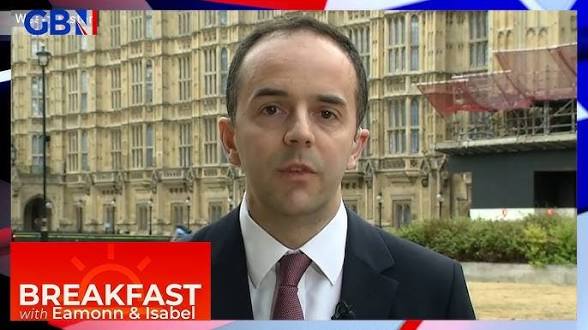
The political atmosphere in Britain has become increasingly intense, and one of the names suddenly drawing national attention is James Murray. As leadership questions swirl around Prime Minister Keir Starmer and Labour faces internal pressure, James Murray has emerged as a key figure in the government’s response strategy.
In recent days, Britain’s political conversation has shifted rapidly. Cabinet resignations, leadership speculation, market concerns, and public frustration have all added to a tense national debate. Against that backdrop, James Murray’s elevation within government has placed him directly in the spotlight.
For many voters, Murray represents stability during political uncertainty. For critics, however, his growing visibility symbolizes the pressure facing Labour as it attempts to maintain public confidence. Across social media, political circles, and news platforms, Britain is reacting strongly to every development.
Why James Murray Is Suddenly in the Spotlight
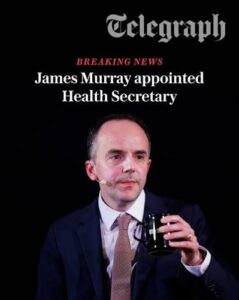
James Murray became a major political talking point after being appointed Health Secretary following the resignation of Wes Streeting. The move came during a period of serious instability within the Labour government.
Streeting’s resignation intensified concerns about Labour unity. Reports suggested disagreements over political direction, leadership style, and future strategy had created deep tensions inside the party. In response, Starmer moved quickly to appoint Murray, signaling an attempt to restore order and confidence.
Political analysts immediately began examining what Murray’s appointment meant for Labour’s future. Some saw it as a sign that Starmer wanted loyal figures around him during a difficult moment. Others argued that the appointment placed Murray under enormous pressure from day one.
The timing also mattered. Britain’s economy was already facing uncertainty, investors were nervous about political instability, and opposition voices were becoming louder. As a result, Murray inherited not just a government role, but a national debate about Labour’s future direction.
Labour’s Internal Pressure Continues to Grow
Labour’s leadership tensions have become impossible to ignore. Public discussions about possible challengers, ideological divisions, and future election strategy have dominated political coverage across Britain.
James Murray has publicly urged colleagues to avoid turning inward and creating further instability. According to reports, he encouraged Labour MPs to “step back” from calls for leadership contests and instead focus on governing the country.
Those comments quickly gained traction online. Supporters praised Murray for promoting unity, while critics argued that the government was attempting to suppress legitimate debate.
Meanwhile, figures such as Andy Burnham and Angela Rayner have become central to ongoing discussions about Labour’s future leadership possibilities.
This growing uncertainty has fueled intense media attention. Political commentators across Britain are asking whether Labour can remain united long enough to avoid deeper internal fractures before the next major election cycle.
Britain Reacts to the Political Drama
Public reaction across Britain has been sharp and deeply divided.
Some Labour supporters believe the government is experiencing normal political turbulence and argue that Murray’s calm approach could help steady the situation. Others worry that the constant leadership speculation is damaging public trust.
On social media platforms, debates around James Murray intensified after clips of his television interviews circulated widely. Many users focused on his calls for stability, while others questioned whether Labour leaders were disconnected from public frustration over economic pressures and public services.
The broader British public appears increasingly exhausted by political instability. Several commentators have warned that voters are becoming frustrated with what they view as endless political drama instead of practical solutions.
Former Prime Minister John Major recently warned about the dangers of frequent leadership changes in Britain, reflecting concerns shared by many observers.
For James Murray, this means operating under extraordinary public scrutiny. Every statement, interview, and policy decision is now being examined in the context of Labour’s broader political struggle.
Economic Concerns Add More Pressure
One of the biggest issues connected to the political turmoil is economic confidence.
Reports indicate that investors reacted nervously to Labour’s internal instability. Government borrowing costs rose, financial markets became volatile, and concerns about long-term political uncertainty increased sharply.
Some analysts even raised fears of another “Liz Truss moment,” referencing the market chaos experienced during the short-lived premiership of Liz Truss.
This economic context makes Murray’s position even more challenging. As a senior government figure, he is now linked not only to healthcare policy but also to broader questions about political and financial stability.
Business leaders have reportedly expressed concern that continued political conflict inside Labour could damage Britain’s international economic reputation.
For ordinary citizens already dealing with inflation, housing concerns, and cost-of-living pressures, the political drama has become more than just Westminster gossip. Many voters want reassurance that government leaders are focused on real-world problems rather than internal power struggles.
The Media Spotlight Around James Murray
The British media has played a major role in elevating James Murray’s profile.
Television interviews, political debates, and newspaper coverage have all contributed to his growing national recognition. Headlines frequently describe him as a key Starmer ally and an important voice during Labour’s current crisis.
Some commentators portray Murray as a disciplined communicator capable of calming tensions. Others see him as a symbol of Labour’s attempts to contain political fallout.
Media coverage has also focused heavily on the language used by Murray during interviews. His emphasis on stability and governance appears designed to reassure both Labour supporters and nervous investors.
At the same time, opposition parties have attempted to use Labour’s divisions to their advantage. Political rivals argue that the government is distracted and increasingly disconnected from public priorities.
This media environment ensures that James Murray remains at the center of Britain’s political conversation for the foreseeable future.
Social Media Reactions Continue to Trend
Online reactions to James Murray reflect Britain’s polarized political climate.
Supporters argue that he represents professionalism and steady leadership during a turbulent moment. They believe his measured communication style could help reduce tensions inside Labour.
Critics, however, accuse Labour leaders of focusing too much on internal politics instead of national concerns such as healthcare waiting times, immigration, inflation, and economic growth.
Short video clips from interviews featuring Murray have spread rapidly across platforms like X, Facebook, and Instagram. Some users praised his loyalty to the government, while others mocked what they saw as scripted political messaging.
The digital debate highlights how modern British politics increasingly unfolds online in real time. Political figures now face immediate public judgment after every major statement.
For Murray, maintaining credibility in this environment may prove just as important as navigating Westminster politics itself.
Could James Murray Play a Bigger Role?
Political observers are already speculating about whether James Murray could become even more influential inside Labour.
Although he is not currently viewed as a leadership contender on the scale of Burnham or Rayner, his recent promotion places him closer to the center of government power.
If Labour stabilizes under Starmer, Murray could emerge as one of the administration’s most trusted senior figures. If instability worsens, however, his role could become increasingly difficult.
Much will depend on whether Labour can restore public confidence in the coming months. Economic performance, party unity, and voter sentiment will all shape Murray’s political future.
For now, he remains closely tied to Starmer’s leadership strategy. That connection brings both opportunity and risk.
Britain’s Political Future Remains Uncertain
The broader political situation in Britain remains highly unpredictable.
Leadership tensions inside Labour continue to dominate headlines, while opposition movements are attempting to capitalize on public frustration. Some emerging political groups are also gaining attention by presenting themselves as alternatives to the traditional political establishment.
At the same time, voters appear increasingly skeptical of political infighting. Many citizens want practical solutions rather than constant speculation about leadership contests and cabinet reshuffles.
This environment creates enormous pressure on government figures like James Murray. Every decision now carries political consequences far beyond normal policy debates.
The coming months could determine whether Labour successfully regains stability or enters a deeper period of division.
What This Means for Labour and Britain
James Murray’s sudden rise into the political spotlight reflects more than just one appointment. It symbolizes the broader tensions currently shaping British politics.
Labour faces difficult questions about leadership, unity, economic confidence, and public trust. Murray’s role within that environment places him at the center of a national debate about Britain’s future political direction.
Supporters believe steady leadership and party discipline can restore confidence. Critics argue that deeper structural problems inside Labour remain unresolved.
Either way, the reaction across Britain shows that voters are paying close attention. Political stability, economic credibility, and leadership strength are becoming defining issues once again.
As the debate continues, James Murray is likely to remain one of the most closely watched figures in Westminster.
FAQs
Who is James Murray?
James Murray is a British Labour politician who recently gained national attention after being appointed Health Secretary during a period of political tension inside the Labour government.
Why is James Murray trending in Britain?
James Murray is trending because of his new government role, Labour’s internal leadership pressure, and his public comments urging party unity amid growing political instability.
What happened to Wes Streeting?
Wes Streeting resigned from his government position, intensifying speculation about Labour leadership tensions and leading to Murray’s appointment.
Is Keir Starmer under pressure?
Yes. Keir Starmer is facing increasing political pressure following poor political performances, cabinet tensions, and leadership speculation.
Why are investors concerned about British politics?
Investors are worried that political instability could affect economic policy, government borrowing, and market confidence in Britain.
Could James Murray become a bigger political figure?
Political analysts believe Murray could become more influential if Labour stabilizes, though his future depends heavily on how the current political crisis develops.
What are the biggest issues facing Labour right now?
Labour is dealing with leadership speculation, internal divisions, economic concerns, and public pressure to focus on national issues rather than party infighting.
How is the British public reacting?
Public reaction is mixed. Some voters support calls for stability, while others are frustrated with ongoing political drama and want stronger action on economic and social issues.
How useful was this post?
Click on a star to rate it!
Average rating 0 / 5. Vote count: 0
No votes so far! Be the first to rate this post.
About the Author

usa5911.com
Administrator
Hi, I’m Gurdeep Singh, a professional content writer from India with over 3 years of experience in the field. I specialize in covering U.S. politics, delivering timely and engaging content tailored specifically for an American audience. Along with my dedicated team, we track and report on all the latest political trends, news, and in-depth analysis shaping the United States today. Our goal is to provide clear, factual, and compelling content that keeps readers informed and engaged with the ever-changing political landscape.