Vail Resorts Lawsuit: John Litterer Case, Safety Claims, Legal Heat
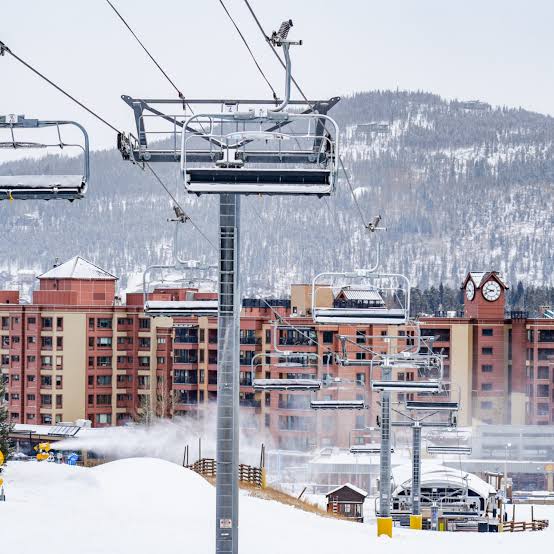
The **Vail Resorts lawsuit involving snowboarder John Litterer has become one of the most closely watched legal battles in the ski industry. At the center of the case are serious allegations of negligence, disputed safety practices, and controversial liability waivers tied to the widely used Epic Pass.
This case has drawn national attention because it could redefine how ski resorts manage risk and responsibility. With hearings reaching the Colorado Supreme Court, legal experts believe the outcome may reshape liability standards across recreational industries.
Background of the Vail Resorts Lawsuit

The lawsuit stems from a December 2020 accident at the Breckenridge Ski Resort, one of the most popular winter sports destinations in the United States.
According to court filings, John Litterer, a snowboarder from Texas, collided with a snowmobile driven by a resort employee while descending a marked trail. The crash allegedly resulted in significant injuries and led Litterer to file a negligence lawsuit against Vail Resorts and the employee involved.
The accident occurred at an intersection between a ski trail and a maintenance road—an area that has since become central to arguments about operational safety and warning systems.
What Happened in the John Litterer Incident
The December 18, 2020 incident is widely described as a high-speed collision between Litterer and a snowmobile traveling on a designated maintenance path.
Legal documents reveal that Litterer claimed he was snowboarding at a reasonable speed and maintaining control when the snowmobile crossed into the trail. His legal team argued that the driver failed to yield or provide proper warnings.
The plaintiff’s lawsuit included several allegations:
- Negligence
- Negligence per se
- Reckless endangerment
- Premises liability
- Willful and wanton conduct
These claims suggest that the accident was not merely an unavoidable risk but possibly the result of preventable safety failures.
Safety Claims Against Vail Resorts
One of the strongest elements of the lawsuit revolves around safety responsibilities.
The plaintiff alleges that:
- The snowmobile driver violated safety protocols
- The resort failed to provide adequate warnings
- Operational guidelines were ignored
- The collision occurred due to reckless behavior
These claims rely heavily on state safety laws governing snowmobile operations. According to filings, the case cites statutes requiring operators to avoid reckless conduct and yield appropriately on ski slopes.
Legal analysts note that proving gross negligence could significantly increase financial liability if the case proceeds to trial.
The Epic Pass Liability Waiver Controversy
A defining issue in the case involves the liability waiver tied to the Epic Pass, a season pass widely used by resort visitors.
After the accident, Litterer purchased another Epic Pass in 2022 while his lawsuit was still pending. During that purchase, he clicked through a legal agreement stating he would “release and give up any and all claims… including anything which has happened up to now.”
This decision became the foundation of the defense strategy.
Why the Waiver Matters
Vail Resorts argues that:
- Litterer voluntarily signed the waiver
- The waiver legally released past claims
- Courts should enforce signed agreements
However, Litterer contends that:
- He did not intend to waive his lawsuit
- The waiver language was overly broad
- Important legal protections should not be eliminated through standard agreements
This disagreement has become the central legal battleground.
Court Decisions and Legal Journey
The lawsuit has already passed through multiple judicial stages.
District Court Ruling
A lower court initially dismissed Litterer’s claims, agreeing with Vail Resorts that the liability waiver prevented further legal action.
Appeals Court Decision
The Colorado Court of Appeals upheld the dismissal in early 2025, reinforcing the argument that the 2022 pass purchase waived all prior claims.
Supreme Court Review
The Colorado Supreme Court later agreed to hear the case, recognizing that recent legal rulings could influence the outcome.
During oral arguments, several justices questioned whether the waiver language was clear enough to fully eliminate existing lawsuits. Some judges expressed skepticism about allowing the case to continue after the waiver was signed.
Impact of Previous Legal Precedents
Another key influence in the case is a prior ruling involving ski lift safety.
That earlier case expanded the ability of injured guests to file lawsuits against ski resorts, even when liability waivers were signed. Legal experts say that decision weakened long-standing protections used by ski operators.
Because of this precedent, courts are now reconsidering how much power liability waivers should hold.
Legal Arguments From Both Sides
Plaintiff’s Arguments
Litterer’s legal team argues:
- The accident resulted from gross negligence
- Safety laws were violated
- Waivers cannot eliminate claims involving reckless conduct
- The agreement language was confusing
They also assert that public safety laws cannot be bypassed through private contracts.
Defense Arguments
Vail Resorts argues:
- Liability waivers were clearly presented
- The plaintiff voluntarily accepted risk
- The waiver language explicitly released past claims
- Enforcing contracts protects business stability
This debate highlights broader concerns about consumer awareness and corporate responsibility.
Safety Regulations Under Scrutiny
Beyond the individual case, the lawsuit raises questions about ski resort safety nationwide.
Key safety topics under review include:
- Snowmobile operation protocols
- Trail crossing visibility
- Signage requirements
- Communication between operators and riders
The outcome could influence operational guidelines across the industry.
Financial Stakes in the Case
While the exact damages remain uncertain, the financial implications could be substantial.
If the court reinstates Litterer’s claims, the case may proceed to trial, where compensation could include:
- Medical expenses
- Lost wages
- Pain and suffering
- Punitive damages
Legal filings suggest that earlier court decisions acknowledged evidence supporting claims for exemplary damages based on alleged reckless conduct.
Industry-Wide Implications
The case has broader implications for the ski and tourism industry.
If liability waivers are weakened:
- Resorts may face increased lawsuits
- Insurance costs could rise
- Ticket prices may increase
- Safety procedures could become stricter
Legal analysts believe the ruling could set a precedent affecting amusement parks, adventure tourism companies, and other recreational businesses.
Public and Legal Community Reactions
The case has sparked significant debate among attorneys, safety experts, and outdoor recreation advocates.
Some believe:
- Resorts should remain accountable for preventable accidents
- Liability waivers should not excuse unsafe behavior
Others argue:
- Risk is inherent in skiing
- Visitors must accept personal responsibility
The disagreement reflects a broader legal balancing act between personal risk and corporate accountability.
What Happens Next in the Case
The next major step involves a final ruling from the Colorado Supreme Court.
Possible outcomes include:
- Dismissal upheld — Lawsuit permanently closed
- Claims reinstated — Case returns to trial court
- Partial ruling — Some claims allowed, others dismissed
Legal observers say the court’s decision could redefine liability law for recreational sports.
Why the Vail Resorts Lawsuit Matters
This case matters far beyond one accident.
It touches on:
- Consumer rights
- Corporate safety obligations
- Contract fairness
- Risk management practices
Because millions of visitors sign liability waivers each year, the final ruling could influence how businesses design legal agreements.
Future of Liability Waivers in Recreation
The legal fight highlights evolving attitudes toward risk in outdoor sports.
Historically, liability waivers offered strong legal protection for businesses. However, courts are increasingly questioning whether such agreements can override safety obligations.
Legal experts suggest future waivers may need:
- Simpler language
- Clear warnings
- Better consumer education
These changes could reshape the recreational industry.
Lessons for Skiers and Resort Visitors
The lawsuit serves as a reminder that legal agreements matter.
Visitors should:
- Read liability waivers carefully
- Understand the risks involved
- Follow safety guidelines
- Report unsafe conditions
While skiing remains popular, awareness of legal responsibilities is becoming more important than ever.
Conclusion
The Vail Resorts lawsuit involving John Litterer represents one of the most important legal battles in modern recreational law. With safety claims, liability waivers, and corporate responsibility under scrutiny, the case could shape the future of ski resort operations nationwide.
As the Colorado Supreme Court prepares its decision, the legal and outdoor communities remain focused on what could become a landmark ruling in safety and liability law.
FAQs
1. What is the Vail Resorts lawsuit about?
The lawsuit involves snowboarder John Litterer, who alleges negligence after colliding with a resort-operated snowmobile at Breckenridge Ski Resort in 2020.
2. Why is the Epic Pass important in this case?
The Epic Pass includes liability waivers. A key dispute is whether purchasing a new pass waived Litterer’s right to continue his lawsuit.
3. What injuries were involved in the accident?
Court records indicate that Litterer suffered significant injuries requiring legal action, though full medical details have not been publicly disclosed.
4. What court is handling the case now?
The Colorado Supreme Court is reviewing the case to determine whether the lawsuit can proceed.
5. Could this lawsuit affect other ski resorts?
Yes. The outcome could reshape how liability waivers are used across ski resorts and recreational businesses.
6. What are liability waivers?
Liability waivers are agreements in which customers accept certain risks and agree not to sue businesses for injuries.
7. When did the accident occur?
The collision occurred on December 18, 2020, at Breckenridge Ski Resort.
8. What happens if the Supreme Court reinstates the case?
If reinstated, the lawsuit would likely return to trial court, where evidence would be presented before a jury.
How useful was this post?
Click on a star to rate it!
Average rating 0 / 5. Vote count: 0
No votes so far! Be the first to rate this post.
About the Author

usa5911.com
Administrator
Hi, I’m Gurdeep Singh, a professional content writer from India with over 3 years of experience in the field. I specialize in covering U.S. politics, delivering timely and engaging content tailored specifically for an American audience. Along with my dedicated team, we track and report on all the latest political trends, news, and in-depth analysis shaping the United States today. Our goal is to provide clear, factual, and compelling content that keeps readers informed and engaged with the ever-changing political landscape.