Hormuz Showdown: US Forces Shoot Down Iranian Drones As Gulf Tensions Escalate
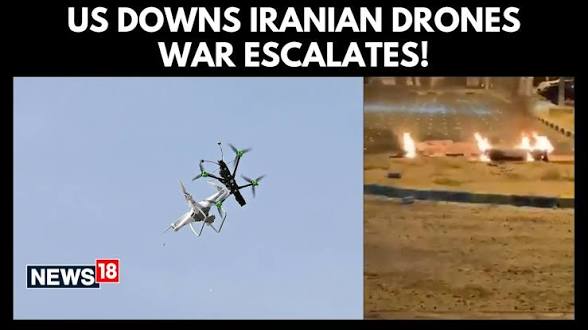
The Middle East remains on edge after United States forces intercepted and destroyed Iranian attack drones over the Strait of Hormuz, one of the world’s most strategically important waterways. The latest military action has intensified fears of a broader regional conflict while raising fresh concerns about global oil supplies, maritime security, and diplomatic stability.
According to the U.S. military, the drones posed a direct threat to international shipping moving through the narrow waterway connecting the Persian Gulf with the Gulf of Oman. American officials said the interception was necessary to protect commercial vessels and maintain freedom of navigation.
The incident comes amid continuing military exchanges between Washington and Tehran, with both sides accusing each other of escalating tensions despite ongoing international calls for restraint.
US Military Confirms Drone Interception
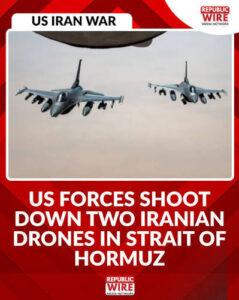
U.S. Central Command (CENTCOM) announced that American forces successfully shot down two Iranian one-way attack drones over the Strait of Hormuz after identifying them as threats to maritime traffic.
Military officials stated the drones were destroyed before they could endanger commercial vessels or coalition naval assets operating in the region.
The Pentagon emphasized that the operation was defensive in nature and intended to safeguard one of the world’s busiest shipping lanes rather than provoke further conflict.
Why the Strait of Hormuz Matters
The Strait of Hormuz is widely regarded as the world’s most important oil transit chokepoint.
Each day, millions of barrels of crude oil and liquefied natural gas pass through the narrow passage, linking Gulf producers with markets across Asia, Europe, and North America.
Any military confrontation in this area has the potential to:
Disrupt global energy markets
Increase shipping insurance costs
Push oil prices higher
Delay international trade
Affect economic stability worldwide
Because of its strategic location, the Strait has repeatedly become the center of geopolitical tensions involving Iran, the United States, and regional allies.
Rising Military Activity
The drone interceptions were not isolated incidents.
Recent days have seen increased military operations involving:
Surveillance flights
Naval patrols
Air defense deployments
Missile monitoring
Maritime escort missions
U.S. officials argue these operations are necessary to maintain safe navigation through international waters.
Iran, meanwhile, has repeatedly criticized the American military presence in the Gulf, saying foreign forces contribute to regional instability.
The competing narratives continue to fuel diplomatic friction.
What Triggered the Latest Escalation?
Analysts say the latest confrontation follows weeks of rising military activity across the region.
Several developments contributed to heightened tensions, including:
Increased drone activity
Military deployments
Regional security alerts
Concerns over commercial shipping
Continuing disputes involving U.S. and Iranian forces
The destruction of the drones represents another chapter in the broader confrontation between Washington and Tehran.
International Shipping Faces Pressure
Shipping companies continue monitoring developments closely.
Even without direct attacks on commercial vessels, the presence of military drones, warships, and aircraft increases operational risks.
Possible consequences include:
Higher freight costs
Increased insurance premiums
Route adjustments
Delivery delays
Greater naval escorts
Maritime security experts note that uncertainty alone can affect international trade.
Impact on Global Oil Markets
Energy traders are watching every development in the Gulf.
Historically, even small military incidents around Hormuz have influenced oil prices because of fears that exports could be disrupted.
Potential economic effects include:
Rising crude oil prices
Higher fuel costs
Increased inflation
Pressure on importing nations
Volatile energy markets
While markets have not yet experienced a prolonged disruption, investors remain cautious as military activity continues.
International Reaction
Several governments have urged restraint.
Diplomatic leaders continue encouraging dialogue while emphasizing the importance of protecting international shipping.
Many countries remain concerned because their economies depend heavily on uninterrupted energy supplies moving through the Gulf.
International organizations have also called for measures that reduce the risk of accidental military escalation.
US Position
American officials maintain that protecting freedom of navigation remains a core objective.
According to CENTCOM, any aircraft or drones threatening commercial shipping or coalition forces may be intercepted if necessary.
Officials insist recent actions were defensive and intended to prevent attacks rather than expand the conflict.
Iran’s Perspective
Iran has consistently argued that foreign military forces operating near its coastline increase regional tensions.
Iranian officials have repeatedly criticized American military deployments while defending their own security measures in the Persian Gulf.
Both governments continue exchanging accusations regarding responsibility for the latest incidents.
Risk of Wider Regional Conflict
Security analysts warn that repeated military encounters increase the possibility of miscalculation.
Potential risks include:
Naval confrontations
Missile exchanges
Expanded drone warfare
Cyber operations
Regional proxy conflicts
Although neither side has publicly indicated an intention to begin a full-scale war, continued military incidents raise the overall risk level.
Strategic Importance for Global Trade
Beyond oil, the Strait of Hormuz supports enormous volumes of international commerce.
Disruptions could affect:
Manufacturing supply chains
Consumer goods
Industrial materials
Food imports
Energy transportation
Countries throughout Asia and Europe closely monitor security developments in the region because of their dependence on Gulf exports.
Military Technology in Focus
The incident also highlights the growing role of drones in modern warfare.
Compared with traditional aircraft, drones offer:
Lower operational costs
Longer surveillance capability
Precision strike potential
Reduced risk to pilots
At the same time, advanced air-defense systems continue improving their ability to detect and intercept unmanned aircraft.
Military planners increasingly view drone warfare as a defining feature of future conflicts.
Diplomatic Challenges Ahead
Negotiations remain difficult despite repeated international efforts.
Key challenges include:
Mutual distrust
Security concerns
Regional alliances
Nuclear-related disputes
Maritime security disagreements
Experts believe sustained diplomacy remains the most effective path toward reducing tensions.
What Happens Next?
Several possible scenarios could unfold:
1. Continued Military Patrols
The United States may maintain increased naval and aerial patrols near the Strait.
2. More Drone Interceptions
If drone activity continues, additional defensive operations could occur.
3. Diplomatic Engagement
International mediators may attempt renewed negotiations to reduce military tensions.
4. Market Volatility
Oil and shipping markets are likely to remain sensitive to every new development.
Conclusion
The destruction of two Iranian drones over the Strait of Hormuz marks another significant moment in the ongoing confrontation between the United States and Iran. While U.S. officials describe the action as a defensive measure to protect international shipping, the incident underscores how quickly tensions in one of the world’s most strategically important waterways can escalate.
For now, global attention remains fixed on the Gulf, where military movements, diplomatic efforts, and economic interests continue to intersect. Whether the situation moves toward renewed negotiations or further confrontation will likely shape regional stability and international energy markets in the weeks ahead.
Frequently Asked Questions (FAQs)
What happened in the Strait of Hormuz?
U.S. forces announced they shot down two Iranian attack drones that they said threatened international maritime traffic in the Strait of Hormuz.
Why is the Strait of Hormuz important?
It is one of the world’s busiest energy shipping routes, carrying a significant share of global oil and liquefied natural gas exports.
Why did the US shoot down the drones?
According to U.S. Central Command, the drones posed a threat to international shipping and were intercepted as a defensive measure.
Could this affect oil prices?
Yes. Military tensions around the Strait of Hormuz often increase uncertainty in energy markets and can contribute to oil price volatility.
Is a wider conflict expected?
The situation remains fluid. While the risk of escalation exists, diplomatic efforts continue alongside ongoing military operations.
How useful was this post?
Click on a star to rate it!
Average rating 0 / 5. Vote count: 0
No votes so far! Be the first to rate this post.
About the Author

usa5911.com
Administrator
Hi, I’m Gurdeep Singh, a professional content writer from India with over 3 years of experience in the field. I specialize in covering U.S. politics, delivering timely and engaging content tailored specifically for an American audience. Along with my dedicated team, we track and report on all the latest political trends, news, and in-depth analysis shaping the United States today. Our goal is to provide clear, factual, and compelling content that keeps readers informed and engaged with the ever-changing political landscape.