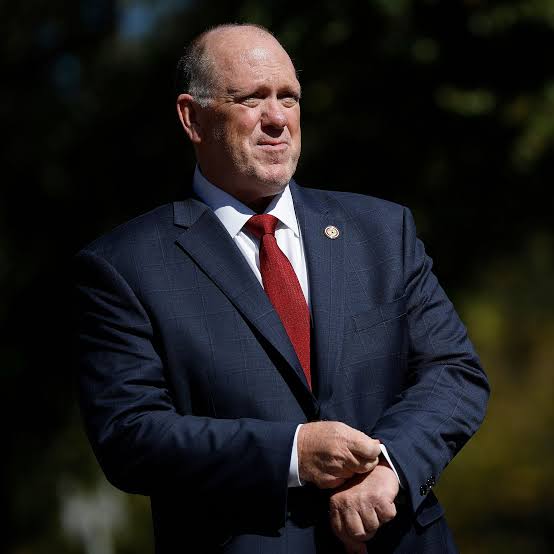
Immigration remains one of the most debated political issues in the United States. From border security and law enforcement to economic concerns and humanitarian responsibilities, the discussion continues to shape public opinion and influence national policy. As these debates intensify, former acting director of U.S. Immigration and Customs Enforcement (ICE) and current Trump administration border official Tom Homan has once again drawn national attention with a strong message about what he believes Americans need to understand regarding illegal immigration and border enforcement.
Speaking during recent interviews and public appearances, Homan argued that immigration is not simply a political talking point. Instead, he described it as an issue involving national security, public safety, economic stability, and the rule of law. His remarks have generated significant discussion among supporters, critics, lawmakers, and immigration experts.
While many agree that border security is important, opinions differ sharply on how immigration laws should be enforced and what reforms Congress should pursue. Homan has consistently advocated for stricter enforcement of existing immigration laws, while many immigration advocates continue to call for comprehensive reform that includes stronger legal pathways alongside humanitarian protections.
This article examines Tom Homan’s recent comments, explains the broader immigration debate, and explores why his message continues to resonate with many Americans while remaining controversial among others.
Who Is Tom Homan?

Tom Homan has spent decades working in immigration enforcement. He served in multiple federal roles before becoming the Acting Director of U.S. Immigration and Customs Enforcement (ICE) during President Donald Trump’s first administration.
Over the years, Homan became one of the nation’s best-known immigration enforcement officials. His reputation stems from his outspoken defense of border security operations and his belief that immigration laws should be enforced consistently regardless of changing political priorities.
Following President Donald Trump’s return to office, Homan has continued serving as a leading voice on border enforcement and immigration policy. He frequently appears on television, participates in policy discussions, and explains the administration’s approach toward illegal immigration.
Because of his extensive experience in immigration enforcement, his comments often receive widespread media attention.
Tom Homan’s Central Message
During recent interviews, Homan emphasized what he believes Americans should understand about immigration enforcement.
According to Homan, the immigration debate extends beyond politics. He argues that every sovereign nation has both the right and the responsibility to control its borders and enforce its immigration laws. He maintains that failing to enforce those laws encourages additional unlawful border crossings and places greater strain on federal, state, and local resources.
Homan has repeatedly argued that immigration enforcement is fundamentally about maintaining the rule of law. In his view, laws approved by Congress lose credibility if they are not consistently enforced.
He has also rejected the idea that enforcing immigration laws is incompatible with compassion. Instead, Homan contends that effective border security and humane treatment of migrants can coexist through orderly legal processes.
Supporters view this argument as common sense. Critics, however, argue that enforcement-first approaches can overlook humanitarian concerns and the complex reasons many migrants seek entry into the United States.
Why Border Security Remains a National Issue
Border security has become one of the defining political issues in recent years.
Several factors have contributed to heightened public attention, including:
- Rising numbers of migrant encounters at the southern border.
- Concerns about drug trafficking, particularly fentanyl.
- Human smuggling operations conducted by criminal organizations.
- Pressure on immigration courts facing large case backlogs.
- Financial costs borne by states and municipalities that receive new arrivals.
Supporters of stronger enforcement argue these challenges demonstrate the need for tougher border policies. They believe increased security measures discourage illegal crossings while helping authorities focus resources on individuals who genuinely qualify for legal protection.
Others argue that enforcement alone cannot solve the problem. They advocate broader immigration reform, including expanded legal immigration pathways, faster asylum processing, and greater international cooperation to address the underlying causes of migration.
This divide continues to shape congressional debates and presidential policy decisions.
Homan’s Concerns About Public Safety
One of the primary themes in Homan’s recent remarks involves public safety.
He argues that immigration enforcement allows federal agencies to identify individuals who have committed serious crimes and are unlawfully present in the United States. According to Homan, removing individuals who pose threats to communities is an essential responsibility of immigration authorities.
Homan has also stressed the importance of cooperation between federal immigration agencies and local law enforcement. He believes such partnerships improve information sharing and strengthen public safety efforts.
However, many local governments have adopted different approaches. Some jurisdictions limit cooperation with federal immigration authorities, arguing that stronger relationships between immigrant communities and local police encourage crime reporting and improve public trust.
As a result, sanctuary city policies remain one of the most contentious issues in the broader immigration debate.
Both sides continue to present competing evidence regarding the effectiveness of these policies, making the discussion one of the most closely watched topics in American politics.
Understanding the Rule of Law Argument
Perhaps Homan’s most consistent message centers on the concept of the rule of law.
He argues that immigration policy should not depend solely on changing political administrations. Instead, he believes Congress establishes immigration laws, and executive agencies have a duty to enforce them.
From Homan’s perspective, consistent enforcement creates fairness by ensuring that individuals who follow legal immigration procedures are not placed at a disadvantage compared with those who enter or remain in the country unlawfully.
Critics respond that immigration law is complex and that executive agencies have long exercised discretion in prioritizing enforcement resources. They also argue that Congress has not comprehensively updated immigration laws in decades, creating significant challenges for both migrants and enforcement agencies.
As a result, debates over immigration enforcement continue to involve legal, humanitarian, economic, and political considerations rather than simple policy choices.
About the Author