Thune SCOTUS Comment: Ready to Confirm, Midterm Rush, Power Move
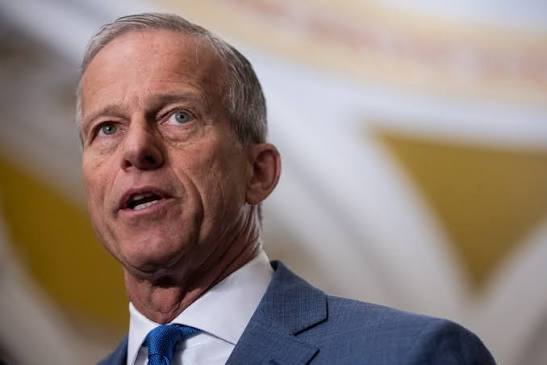
A recent statement from Senate Majority Leader John Thune has ignited political debate across Washington and beyond. His remarks suggesting Republicans are “prepared” to confirm a new Supreme Court justice before upcoming midterm elections have triggered widespread discussion about timing, political strategy, and judicial power.
The statement comes amid speculation about the future of Samuel Alito and potential changes in the composition of the Supreme Court of the United States. The political implications are significant, especially with midterm elections approaching and partisan tensions already high.
This development highlights a broader pattern in modern American politics—where judicial nominations increasingly intersect with election cycles, legislative priorities, and long-term ideological battles.
The Comment That Sparked the Debate

The controversy began when Senator John Thune publicly acknowledged that Republicans are prepared to act quickly if a Supreme Court vacancy emerges.
Thune stated that Republicans would be ready to confirm a replacement justice before the midterm elections if an opening occurs. He emphasized preparedness as a necessary contingency, suggesting that leadership must be ready to move swiftly when judicial vacancies arise.
This comment immediately triggered speculation about whether a retirement or departure from the Supreme Court could happen soon—particularly involving Justice Samuel Alito, who has been the subject of retirement rumors.
Political observers quickly labeled the remark a potential “power move,” interpreting it as an effort to secure ideological control of the Court before voters head to the polls.
Why Midterm Timing Matters
Midterm elections traditionally reshape the balance of power in Congress. That makes the timing of Supreme Court confirmations especially sensitive.
When nominations occur close to elections, critics often accuse the majority party of rushing confirmations to secure influence before voters have a chance to change leadership. Supporters, however, argue that fulfilling constitutional duties should not be delayed for political reasons.
Historically, judicial confirmations during election years have sparked controversy. The so-called “Thurmond Rule,” an informal Senate tradition, suggests slowing judicial confirmations close to elections—though it is inconsistently applied and not legally binding.
Thune’s comment effectively signals that Republicans may prioritize speed over tradition if circumstances demand it.
The Role of Justice Samuel Alito
Much of the speculation surrounding Thune’s remarks centers on Justice Samuel Alito.
At age 76, Alito is among the senior members of the Supreme Court, leading analysts to consider the possibility of retirement in the near future. Reports suggest he has considered retirement discussions, though no formal decision has been announced.
If Alito retires before the midterms, Republicans would likely move quickly to confirm a replacement justice, ensuring continued ideological alignment within the Court.
Such a move could shape legal outcomes for decades—particularly in areas such as constitutional rights, federal authority, and regulatory policy.
Political Strategy Behind the “Ready to Confirm” Message
Many analysts view Thune’s statement not just as preparedness but as strategic messaging.
Political leaders often use public statements to signal readiness and influence expectations. In this case, the message serves multiple purposes:
- Demonstrates organizational readiness
- Reassures political supporters
- Signals strength to political opponents
- Influences public perception ahead of elections
The possibility of a fast confirmation also aligns with broader Republican priorities to maintain judicial influence.
In recent years, judicial appointments have become a cornerstone of long-term political strategy, shaping national law far beyond election cycles.
The Impact on Midterm Election Dynamics
Thune’s remarks could have ripple effects across the political landscape.
Judicial nominations often energize voters on both sides of the political spectrum. Supporters may view quick confirmations as fulfilling campaign promises, while critics may frame them as partisan overreach.
Midterm campaigns could increasingly focus on:
- Judicial independence
- Constitutional interpretation
- Senate power dynamics
- Presidential nomination authority
These themes resonate deeply with voters concerned about long-term governance.
The potential confirmation timeline could also influence campaign messaging, advertising strategies, and voter turnout patterns.
The Senate’s Role in Supreme Court Confirmations
Under the U.S. Constitution, the Senate plays a central role in confirming Supreme Court justices.
Once a president nominates a candidate, the Senate Judiciary Committee conducts hearings, evaluates qualifications, and ultimately sends the nomination to the Senate floor for a vote.
The majority party typically controls scheduling, which can significantly affect the speed of confirmation.
If Republicans maintain Senate control, they would likely manage the timeline to ensure confirmation occurs before any shift in political power.
This procedural authority is why Senate leadership comments—like those from John Thune—carry enormous political weight.
How Presidents Influence Judicial Timing
Presidential strategy also plays a key role in judicial timing.
Former President Donald Trump previously expressed support for sitting justices, including Samuel Alito, emphasizing their role in shaping conservative legal interpretation.
Presidents often coordinate with Senate leadership to determine optimal timing for nominations.
This coordination becomes particularly critical when elections approach, as shifts in Senate control can dramatically alter confirmation outcomes.
Historical Examples of Election-Year Confirmations
Judicial confirmations close to elections are not unprecedented.
Several past administrations have confirmed judges during politically sensitive periods. However, each instance sparked debate about fairness and timing.
These historical precedents shape current expectations and arguments.
Supporters of swift confirmations often cite constitutional responsibility, while critics highlight concerns about voter representation and legitimacy.
The debate remains unresolved, making every new nomination politically charged.
Potential Policy Consequences
The stakes extend beyond politics.
Supreme Court justices serve lifetime appointments, meaning their decisions can influence law for generations.
Key policy areas affected by Supreme Court composition include:
- Voting rights
- Immigration policy
- Federal regulations
- Healthcare law
- Economic policy
A single new justice can shift the Court’s ideological balance, affecting landmark rulings and future legal interpretations.
This long-term impact explains why confirmation timing matters so deeply.
Media Reaction and Public Debate
News coverage of Thune’s comment has been intense.
Political commentators have framed the situation as a strategic maneuver, emphasizing its potential implications for judicial independence and electoral fairness.
Public reactions vary widely.
Some view preparedness as responsible governance, while others interpret it as an aggressive political strategy.
Social media discussions reflect growing polarization around judicial issues.
Legal Experts Weigh In
Legal scholars often highlight the complexity of judicial timing debates.
They point out that the Constitution does not restrict confirmation timing during election cycles.
However, traditions and political norms often shape expectations.
Experts suggest that transparency and fairness remain critical to maintaining public trust in the judicial system.
Maintaining that trust becomes more challenging when judicial decisions intersect with election-year politics.
The Broader Power Dynamics at Play
The phrase “power move” frequently appears in political analysis of Thune’s comment.
This characterization reflects broader power struggles within Washington.
Control of the Supreme Court is widely viewed as one of the most consequential forms of political influence.
Unlike legislation, judicial rulings cannot be easily reversed.
That permanence makes judicial confirmations a high-stakes political priority.
What Happens If a Vacancy Occurs?
If a Supreme Court vacancy opens before the midterms, several steps would follow:
- Presidential nomination
- Judiciary Committee hearings
- Senate debate
- Final confirmation vote
The timeline can vary dramatically.
In some cases, confirmations have occurred in weeks; in others, months or years.
Thune’s comment suggests Republicans aim to move swiftly if circumstances allow.
Implications for the Future of the Supreme Court
Judicial turnover is inevitable.
As justices age or retire, political battles over replacements will continue.
Thune’s statement reflects the reality that judicial confirmations are increasingly viewed through a strategic lens.
Future Supreme Court compositions will likely reflect the political priorities of current leadership.
This dynamic ensures ongoing tension between constitutional process and political strategy.
Public Perception and Trust in Institutions
Public confidence in institutions remains a central concern.
Rapid confirmations may raise questions about fairness, while delayed confirmations may spark accusations of obstruction.
Balancing speed with legitimacy is essential.
Political leaders must navigate competing pressures to maintain public trust.
The long-term credibility of the judiciary depends heavily on these perceptions.
The Road to the Midterms
As midterm elections approach, the stakes continue to rise.
Political messaging surrounding judicial nominations will likely intensify.
Candidates across the country may use Supreme Court issues to energize their bases.
This growing emphasis underscores the role of judicial politics in modern campaigns.
The intersection of elections and legal institutions remains one of the defining features of contemporary governance.
Conclusion
The recent comments by John Thune about readiness to confirm a Supreme Court justice before midterms represent more than routine political planning—they symbolize a broader shift in how judicial power is exercised in the United States.
Whether interpreted as responsible preparation or strategic maneuvering, the message carries significant implications for elections, governance, and constitutional law.
As speculation about potential retirements continues, the coming months could reshape the Supreme Court—and possibly the future of American politics itself.
FAQs
What did John Thune say about Supreme Court confirmations?
John Thune stated that Republicans are prepared to confirm a Supreme Court nominee before midterm elections if a vacancy occurs, signaling readiness for rapid action.
Why is the timing before midterms important?
Confirming a justice before midterms can lock in ideological control of the Court before election results potentially shift Senate power.
Is Justice Samuel Alito retiring?
There is speculation about possible retirement discussions, but no official announcement has been made.
What is the Thurmond Rule?
The Thurmond Rule is an informal Senate tradition suggesting slower judicial confirmations near elections, though it is not legally binding.
Can Supreme Court justices be confirmed during election years?
Yes. The Constitution allows confirmations at any time, including during election years.
How long does a Supreme Court confirmation take?
The timeline varies widely, ranging from a few weeks to several months depending on political conditions.
I
How useful was this post?
Click on a star to rate it!
Average rating 0 / 5. Vote count: 0
No votes so far! Be the first to rate this post.
About the Author

usa5911.com
Administrator
Hi, I’m Gurdeep Singh, a professional content writer from India with over 3 years of experience in the field. I specialize in covering U.S. politics, delivering timely and engaging content tailored specifically for an American audience. Along with my dedicated team, we track and report on all the latest political trends, news, and in-depth analysis shaping the United States today. Our goal is to provide clear, factual, and compelling content that keeps readers informed and engaged with the ever-changing political landscape.