Somalia Shock Today: Al-Shabaab captures Jubaland base, security crisis explodes
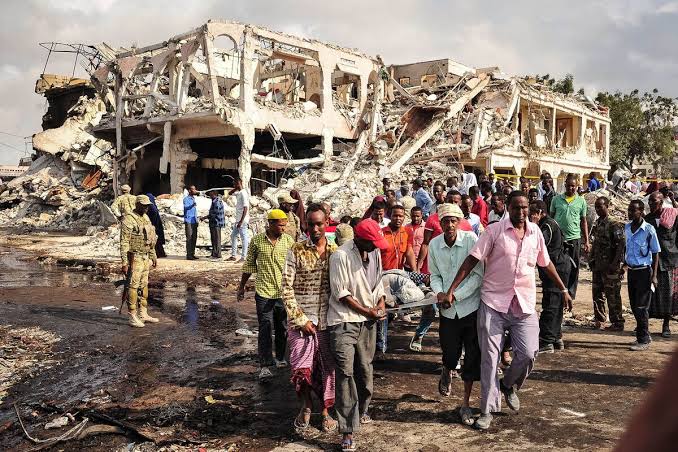
Research on Somalia is challenging due to lack of reporting, security issues, and rapidly evolving changes in the security situation1. Today we will discuss about Somalia Shock Today: Al-Shabaab captures Jubaland base, security crisis explodes
Somalia Shock Today: Al-Shabaab captures Jubaland base, security crisis explodes
Somalia is once again gripped by fear and uncertainty after militant group Al-Shabaab captured a key military base in the Jubaland region, triggering alarm across the Horn of Africa. The sudden fall of the base in the strategic Lower Juba area marks one of the most serious security setbacks in recent months and exposes the fragile state of Somalia’s counter-terrorism efforts.
The attack has intensified concerns about the country’s stability, the effectiveness of its security forces, and the future of peace in a nation that has battled insurgency for more than two decades.
A Sudden and Coordinated Assault
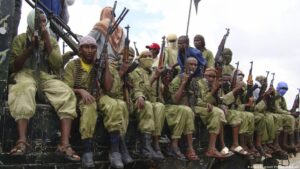
In the early hours of today, heavily armed Al-Shabaab fighters launched a coordinated assault on a Jubaland regional security base near the coastal settlement of Kudhaa in Lower Juba. Witnesses reported intense gunfire, explosions, and hours of fighting as militants overran defensive positions.
Regional forces, reportedly outnumbered and under-equipped, withdrew after sustaining heavy pressure. By midday, Al-Shabaab fighters were seen patrolling the area, raising their flags and seizing weapons, ammunition, and military vehicles left behind.
The group later claimed full control of the base, calling the operation a “major victory against apostate forces.” Jubaland authorities have yet to release detailed casualty figures, but local sources speak of significant losses on both sides and the capture of several soldiers.
Why the Jubaland Base Is Strategically Crucial
The seized base is located in a region of immense military and economic importance.
1. Gateway to Kismayo
Lower Juba lies close to Kismayo, Somalia’s most vital port city in the south. Control of surrounding bases allows armed groups to threaten supply routes, taxation networks, and commercial movement linked to the port.
2. Coastal Control
The area offers access to the Indian Ocean coastline, which can be used for smuggling weapons, fighters, and supplies. Control of such routes strengthens Al-Shabaab’s logistical capabilities.
3. Buffer Zone Against Federal Forces
The base served as a frontline outpost meant to prevent militant expansion toward urban centers. Its fall opens a dangerous corridor for further militant advances.
A Growing Security Vacuum
The capture comes at a time when Somalia is facing a shrinking international military presence. Over the past few years, African Union peacekeeping forces have gradually withdrawn, transferring responsibility to Somali federal and regional troops.
While intended to signal progress, the drawdown has created security gaps in remote and contested regions like Lower Juba, Gedo, and central Somalia. Al-Shabaab has repeatedly exploited these openings, launching surprise attacks on newly vacated or weakly defended installations.
The fall of the Jubaland base is a stark reminder that Somalia’s security institutions are still struggling to independently secure territory.
Political Divisions Weaken the Frontline
Somalia’s internal political tensions are also fueling the crisis.
The relationship between the Federal Government in Mogadishu and the Jubaland regional administration has long been strained due to disputes over elections, leadership legitimacy, and control of security forces. These disagreements have:
Fragmented command structures
Delayed coordinated operations
Undermined intelligence sharing
Created rival chains of authority
Al-Shabaab has consistently exploited such divisions, striking where coordination is weakest.
Al-Shabaab’s Renewed Momentum
Despite sustained airstrikes and ground operations, Al-Shabaab remains one of Africa’s most resilient insurgent movements. The group has demonstrated:
Sophisticated planning
Effective propaganda
Deep local infiltration networks
Ability to regroup after losses
The seizure of a fortified military base shows the group is not merely conducting hit-and-run attacks but is capable of holding territory and challenging state authority directly.
Civilian Impact and Humanitarian Fears
The consequences of today’s events extend far beyond the battlefield.
Displacement
Families living near the base have fled toward Kismayo and inland villages, fearing reprisals, forced recruitment, and renewed fighting.
Economic Disruption
Trade routes through Lower Juba have been disrupted. Fishermen and traders are avoiding coastal movement, affecting food supply and income.
Fear and Intimidation
Al-Shabaab is known for imposing harsh rule in captured areas, including forced taxation, strict ideological enforcement, and punishment of those suspected of cooperating with the government.
Regional and International Implications
Somalia’s instability does not remain confined within its borders.
Threat to Kenya and Ethiopia
Jubaland borders Kenya, and any militant expansion increases the risk of cross-border attacks, infiltration, and refugee flows.
Maritime Security
Control of coastal zones raises concerns over piracy, arms trafficking, and militant movement along international shipping lanes.
Counter-Terrorism Setback
International partners supporting Somalia’s fight against extremism may need to reassess strategies as local forces face mounting pressure.
What Comes Next?
Security analysts warn that unless swift action is taken, Al-Shabaab could attempt to:
Advance toward Kismayo
Target additional military installations
Intensify suicide bombings in urban areas
Disrupt upcoming political processes
Key steps needed include:
Unified Command
Federal and regional forces must operate under a coordinated structure.Rapid Reinforcement
The recapture of the base will require air support, special forces, and intelligence-driven operations.Political Reconciliation
Resolving Mogadishu–Jubaland tensions is vital to prevent militants from exploiting divisions.Sustained International Support
Training, surveillance, and logistical backing remain essential during the transition period.
Conclusion: A Nation at a Crossroads
The capture of the Jubaland base marks a dangerous turning point in Somalia’s security landscape. It exposes persistent weaknesses in defense, coordination, and governance while highlighting Al-Shabaab’s continued ability to challenge state authority.
For ordinary Somalis, the event is not just a military setback—it is a reminder that peace remains fragile, and the threat of violence is never far away.
As the government weighs its next move, the world watches closely. What happens in Jubaland today could shape the future of Somalia’s stability tomorrow.
How useful was this post?
Click on a star to rate it!
Average rating 0 / 5. Vote count: 0
No votes so far! Be the first to rate this post.
About the Author

usa5911.com
Administrator
Hi, I’m Gurdeep Singh, a professional content writer from India with over 3 years of experience in the field. I specialize in covering U.S. politics, delivering timely and engaging content tailored specifically for an American audience. Along with my dedicated team, we track and report on all the latest political trends, news, and in-depth analysis shaping the United States today. Our goal is to provide clear, factual, and compelling content that keeps readers informed and engaged with the ever-changing political landscape.