RFK Jr vs Bill Cassidy: Senate Clash, Election Battle, GOP Tensions Explode
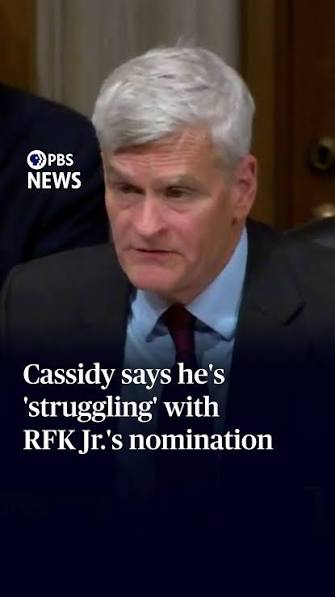
The political landscape in the United States is witnessing a dramatic showdown between Robert F. Kennedy Jr. and Bill Cassidy. What began as a policy disagreement has escalated into a full-blown political clash with national implications. From Senate hearings to election campaigns, the conflict highlights deeper fractures within the Republican Party (GOP) as it heads toward the high-stakes 2026 elections.
This article explores the roots of the RFK Jr vs Bill Cassidy clash, the Senate tensions, the Louisiana election battle, and the broader implications for American politics.
Background: Who Are RFK Jr and Bill Cassidy?
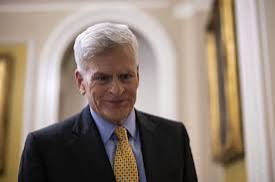
Robert F. Kennedy Jr
Robert F. Kennedy Jr., a controversial figure in American politics, currently serves as Secretary of Health and Human Services. Known for his outspoken views on vaccines and public health policies, Kennedy has built a strong following through his “Make America Healthy Again” (MAHA) movement.
His leadership has sparked debates across political lines, particularly due to his skepticism toward traditional vaccine policies and his push for sweeping health reforms.
Bill Cassidy
Bill Cassidy is a Republican senator from Louisiana and a physician by profession. As chair of the Senate Health, Education, Labor, and Pensions (HELP) Committee, Cassidy plays a key role in overseeing U.S. health policy.
Unlike Kennedy, Cassidy strongly supports vaccines and evidence-based medicine, placing him at odds with RFK Jr’s approach.
The Senate Clash: Policy vs Ideology
The conflict between RFK Jr and Cassidy became highly visible during Senate hearings, where tensions over public health policy took center stage.
- Cassidy criticized Kennedy’s stance on vaccines and public health messaging.
- Kennedy defended his policies while emphasizing reform and alternative approaches.
- Other senators also raised concerns about vaccine misinformation and public health risks.
Despite expectations of a heated confrontation, some encounters remained controlled, with Cassidy avoiding direct escalation while still signaling disagreement.
Key Issues Driving the Clash
- Vaccination Policy
Cassidy supports traditional immunization programs, while Kennedy has questioned their safety and implementation. - Public Health Leadership
Kennedy’s restructuring of health agencies has raised concerns about scientific integrity. - Trust in Institutions
The debate reflects broader distrust in government health agencies among certain voter groups.
The Trigger Point: Surgeon General Nomination Battle
One of the most explosive moments in the RFK Jr vs Bill Cassidy saga came during the fight over the Surgeon General nomination.
- Cassidy played a major role in blocking a Kennedy-backed nominee.
- This move angered Kennedy and his allies.
- It intensified efforts to politically challenge Cassidy.
This episode transformed a policy disagreement into a personal and political battle.
Election Battle: Louisiana Becomes Ground Zero
The 2026 Senate Race
The clash has spilled into the electoral arena, particularly in Louisiana, where Cassidy faces a tough primary challenge.
- Cassidy is seeking reelection in a competitive Republican primary.
- RFK Jr–aligned groups are working to unseat him.
- High-profile endorsements and political alliances are shaping the race.
Notably, the election has drawn attention from major political figures and factions, turning it into a national spectacle.
Trump Factor
The involvement of Donald Trump adds another layer of complexity:
- Trump has backed Cassidy’s opponent.
- Cassidy previously voted against Trump during impeachment, creating lingering tensions.
- This alignment places RFK Jr and Trump on overlapping political ground in this specific battle.
GOP Tensions: A Party Divided
The RFK Jr vs Bill Cassidy conflict highlights a deeper ideological divide within the Republican Party.
Traditional Conservatives vs Populist Reformers
- Cassidy camp: Represents traditional conservative values, institutional trust, and mainstream health policy.
- Kennedy camp: Appeals to populist sentiment, skepticism of institutions, and reform-driven agendas.
This divide is not just about policy—it reflects a broader struggle over the identity of the GOP.
Internal Power Struggles
The clash also signals a power struggle within Republican leadership:
- Control over health policy direction
- Influence over Senate committees
- Alignment with voter bases ahead of elections
Experts warn that such divisions could weaken the party’s unified electoral strategy.
National Implications
Impact on 2026 Elections
The 2026 Senate elections are crucial for determining control of Congress.
The RFK Jr vs Cassidy battle could:
- Influence voter turnout
- Shape campaign narratives nationwide
- Affect GOP performance in swing states
Public Health Policy at Stake
The outcome of this conflict may determine:
- Future vaccine policies
- Structure of health agencies
- Federal funding priorities
If Cassidy loses, oversight of Kennedy’s policies could diminish, raising concerns among critics.
Voter Sentiment
The clash resonates with broader public sentiment:
- Growing distrust in institutions
- Demand for reform
- Polarization on scientific issues
These factors make the RFK Jr vs Bill Cassidy battle more than just a political feud—it’s a reflection of America’s evolving political culture.
Media, Messaging, and Public Perception
Both sides are actively shaping the narrative:
- Kennedy’s camp frames Cassidy as part of the “establishment.”
- Cassidy’s supporters portray Kennedy as a threat to scientific integrity.
This messaging war is critical in influencing undecided voters.
What Happens Next?
As the Louisiana primary approaches:
- Campaign efforts will intensify
- National figures may increase involvement
- Polling and debates will shape momentum
The outcome remains uncertain, but the stakes are undeniably high.
Conclusion
The RFK Jr vs Bill Cassidy clash is a defining political battle of 2026. It combines policy disagreements, personal rivalries, and electoral strategy into a high-stakes conflict that could reshape the Republican Party and influence national politics.
From Senate hearings to campaign rallies, this showdown reflects deeper ideological divides and raises important questions about leadership, public health, and the future of American governance.
FAQs
1. Why are RFK Jr and Bill Cassidy in conflict?
They disagree mainly on public health policies, especially vaccines, and have clashed during Senate hearings and political decisions.
2. What role did the Surgeon General nomination play?
Cassidy’s opposition to a Kennedy-backed nominee intensified tensions and turned their disagreement into a political battle.
3. How does this affect the 2026 elections?
The clash could influence voter behavior, party unity, and election outcomes, particularly in Louisiana.
4. Is this conflict about policy or politics?
It’s both—policy disagreements have evolved into a broader political and ideological struggle within the GOP.
5. What is at stake for the Republican Party?
Party unity, leadership direction, and control over policy priorities are all at stake.
I
How useful was this post?
Click on a star to rate it!
Average rating 0 / 5. Vote count: 0
No votes so far! Be the first to rate this post.
About the Author

usa5911.com
Administrator
Hi, I’m Gurdeep Singh, a professional content writer from India with over 3 years of experience in the field. I specialize in covering U.S. politics, delivering timely and engaging content tailored specifically for an American audience. Along with my dedicated team, we track and report on all the latest political trends, news, and in-depth analysis shaping the United States today. Our goal is to provide clear, factual, and compelling content that keeps readers informed and engaged with the ever-changing political landscape.