Prince Edward Silence Break: Epstein Fallout, Royal Pressure
YoIn early February 2026, a significant development reshaped public discourse about the British royal family’s handling of the Jeffrey Epstein scandal: Prince Edward — the Duke of Edinburgh and youngest brother of King Charles III — broke the traditional silence of the monarchy on one of its most controversial chapters in living memory. His comments, made at a major global summit, mark an unprecedented intervention that reflects not only the deepening crisis caused by the release of new Epstein-related files but also the intense royal and public pressure building around the Epstein fallo
The Jeffrey Epstein scandal originally erupted in the early 2000s, involving the American financier’s conviction for soliciting a minor and accusations of running a sex trafficking network. His connections with global elites made headlines for years, but it was the release of previously sealed documents by the U.S. Department of Justice that reignited international scrutiny of those ties — particularly involving members of the British royal family.
Most prominently, Prince Andrew Mountbatten-Windsor — formerly the Duke of York — was directly implicated in numerous email exchanges and photographs included in the newly released files. These materials showed communications long after Epstein’s conviction, and visuals that raised fresh questions about Andrew’s past conduct.
Until February 2026, Buckingham Palace had largely refrained from public comment on these developments, a continuation of the royal family’s longstanding approach of diplomatic silence on sensitive controversies.
Prince Edward Breaks Royal Silence

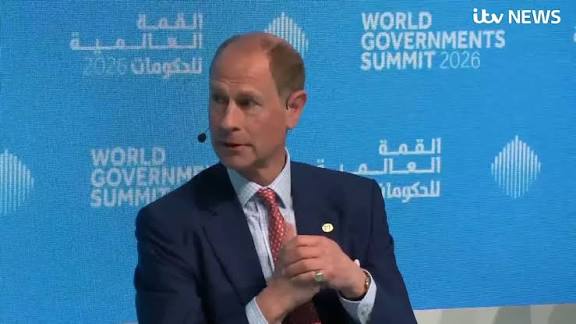
At the World Governments Summit in Dubai on 3 February 2026, journalists questioned Prince Edward about the implications of the recently released Epstein files. In a departure from the royal tradition of minimal comment on controversies, Edward responded publicly, making him the first senior royal to directly address the Epstein fallout.
Rather than engage in details about the allegations, Edward refocused the conversation toward the victims of Epstein’s crimes. His most widely reported statement was:
“It’s really important always to remember the victims and who are the victims in all this. A lot of victims in all this.”
While his remarks stopped short of commenting on specific individuals mentioned in the files, the symbolic break from silence reflected the growing urgency with which the royal institution must confront reputational and ethical pressures.
What Prince Edward’s Comments Revealed
Prince Edward’s words were measured and cautious, but they communicated several key points:
Acknowledgment of Public Concern:
His willingness to speak signifies that the Epstein issue is no longer something the royal family can quietly distance itself from.Focus on Victims Over Individuals:
By emphasizing victims, Edward redirected attention from high-profile individuals to the broader human impact of Epstein’s crimes. This emphasis aligned with public and media expectations for compassion.Avoidance of Specific Allegations:
Edward carefully avoided commenting on allegations against his brother or others, perhaps to maintain neutrality and avoid legal entanglements. This reflects the royal family’s ongoing legal caution.Unusual Public Positioning:
The British royal family almost never publicly responds to legal or reputational controversies involving its members in such a direct forum. This is a notable departure from the norm of “never complain, never explain.”
Escalating Pressure on the Royal Family
Prince Edward’s intervention comes amid intensifying pressure — both from the public and legal quarters — over the Epstein scandal.
For years, Prince Andrew faced criticism for his involvement with Epstein. He was stripped of his royal titles and duties by King Charles III amid ongoing scrutiny. The release of additional documents in late 2025 and early 2026 renewed public interest and institutional momentum toward greater accountability.
In recent developments, law enforcement agencies in the UK have coordinated investigations into potential misconduct by Andrew, including possible leakage of confidential information and historical trafficking ties, further fueling the crisis. Legal authorities have emphasized that no one is above the law — a message that resonates with public expectations of accountability regardless of status.
Moreover, government officials and advocacy groups have highlighted the need for transparent investigation and justice for victims, adding further pressure on an institution that has historically evaded public legal battles.
Public and Media Reactions
The response to Prince Edward’s remarks has been mixed:
Supporters of transparency praised the focus on victims but urged the royal family to offer more concrete commentary on legal accountability.
Critics argued that the statement was insufficient because it did not directly address allegations against Prince Andrew or outline any steps toward institutional reform.
Media outlets noted that while Edward’s remarks broke silence, they also exemplified the monarchy’s cautious approach — addressing compassion while avoiding specifics.
Public reaction on social platforms reflected a broader frustration with the monarchy’s perceived reluctance to confront controversies head-on, balanced by recognition of the symbolic impact of Edward’s words.
Why This Matters: Implications for the Monarchy
Prince Edward’s silence break has several profound implications:
1. Reputation Management
The British monarchy’s global reputation has traditionally been anchored in dignity, restraint, and non-political public service. The Epstein fallout has challenged that image, forcing the institution to balance tradition with accountability.
2. Victim-Centered Narrative
By highlighting victims prominently, Edward’s comments signal a subtle shift toward empathy — potentially appealing to public sentiment and media scrutiny.
3. Internal Royal Dynamics
The intervention may indicate internal consensus within the family that public acknowledgment of difficult issues is necessary — a tactical shift from protective silence to measured engagement.
4. Legal and Cultural Precedence
A prominent royal addressing such a scandal directly sets a new precedent for how the British monarchy handles future controversies involving legal or ethical questions.
Frequently Asked Questions (FAQs)
Q1: Why did Prince Edward break the royal family’s silence on the Epstein scandal?
A1: Prince Edward spoke publicly to emphasize compassion for Epstein’s victims and acknowledge public concern, marking a rare departure from the traditional royal policy of silence on sensitive controversies.
Q2: What exactly did Prince Edward say about the Epstein files?
A2: While at the World Governments Summit in Dubai, he said it was “really important always to remember the victims and who are the victims in all this,” steering the conversation toward empathy rather than specifics.
Q3: Does this mean Prince Edward is criticizing his brother?
A3: No. His comments avoided direct criticism or mention of specific individuals; instead, he kept the focus on the human impact of the scandal.
Q4: Has this changed how the monarchy handles scandals?
A4: Yes. It suggests a gradual strategic shift from silence toward measured public engagement on sensitive topics, balancing institutional tradition with modern expectations for transparency.
Q5: What happens next in the Epstein fallout for the royal family?
A5: Ongoing legal reviews, investigations into alleged misconduct, and continued media coverage are expected to keep the issue in the public eye. The monarchy may face increasing pressure to respond more directly to specific allegations.
Conclusion
Prince Edward’s decision to publicly address the ongoing Epstein saga — even in a limited and cautionary way — represents a key turning point in how the British royal family confronts deeply controversial issues that intersect with legal and ethical accountability. By urging the world to “remember the victims,” Edward acknowledged both the human suffering at the center of the scandal and the growing royal pressure to handle the fallout with empathy and responsibility.
While this may be only a first step, its significance lies in breaking a long-standing silence and prompting broader public discourse about power, privilege, and accountability — shaping how the monarchy navigates future challenges.
How useful was this post?
Click on a star to rate it!
Average rating 0 / 5. Vote count: 0
No votes so far! Be the first to rate this post.
About the Author

usa5911.com
Administrator
Hi, I’m Gurdeep Singh, a professional content writer from India with over 3 years of experience in the field. I specialize in covering U.S. politics, delivering timely and engaging content tailored specifically for an American audience. Along with my dedicated team, we track and report on all the latest political trends, news, and in-depth analysis shaping the United States today. Our goal is to provide clear, factual, and compelling content that keeps readers informed and engaged with the ever-changing political landscape.