Philippines firecracker chaos kills man: 47 injured ahead of New Year
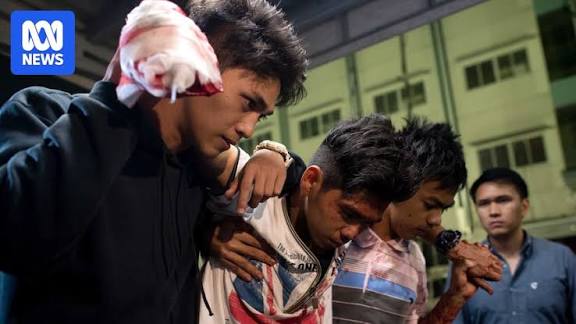
One person was killed by gunfire, while 47 people were injured by firecrackers, the PNP reported in its first deaths just days before New Year’s Eve. Today we will discuss about Philippines firecracker chaos kills man: 47 injured ahead of New Year
Philippines firecracker chaos kills man: 47 injured ahead of New Year
In the Philippines, a nation known for its loud and vibrant New Year’s celebrations, the buildup to January 1, 2026, was marred by tragedy, chaos, and a growing public safety crisis. As thousands prepared to welcome the new year with fireworks and firecrackers—a deeply rooted tradition—authorities reported one fatality and dozens of injuries linked to explosive devices. This latest surge in firecracker incidents has reignited debates over safety regulations, community practices, and the balance between cultural celebration and public health.
A Tragic Christmas Eve Incident

On December 24, 2025, what should have been a festive Christmas Eve turned fatal for one man in Barangay 120, Tondo, Manila, when he was struck by a gunshot and later died. The Philippine National Police (PNP) said the incident happened around 12:50 a.m. on Christmas Day, during a drinking spree involving several people. The victim was identified as Reyan Policarpio, and authorities have launched a manhunt for the suspect.
While initial reports characterized the situation as tied to stray bullets fired amid holiday revelry, the incident highlights the dangers that accompany celebratory events in the Philippines—danger that doesn’t just stem from firecrackers themselves, but from related risky behavior like indiscriminate gunfire.
Surge in Firecracker‑Related Injuries
From December 16 to 26, 2025, authorities recorded 47 injuries directly linked to firecrackers and other pyrotechnic devices.
These injuries occurred nationwide, with notable regional breakdowns:
Central Visayas — 13 cases
Soccsksargen — 7 cases
Metro Manila — 6 cases
Other regions reporting smaller numbers
Firecrackers most commonly associated with injuries include the five‑star, piccolo, and popup types—all popular but potentially hazardous if misused.
Victims treated so far span varied age groups but include a notable proportion of young people, consistent with past patterns where children and teenagers are overrepresented in firecracker injury statistics.
Confiscation and Law Enforcement Actions
In response to rising incidents, the PNP and allied agencies intensified operations against illegal firecracker sales and unsafe practices:
54,223 illegal firecrackers were seized nationwide, with an estimated value of ₱923,105.
23 individuals were arrested for illegal selling and distribution of pyrotechnic devices.
Police urged stricter adherence to designated firecracker zones to minimize risk during celebrations.
In Pasig City, the local government under Mayor Vico Sotto also announced a crackdown on illegal online sellers of firecrackers, emphasizing that whether sold in physical stores or online, prohibited explosives present significant public danger.
Government Response: Centralized Firecracker Markets
Amid growing concern, acting PNP Chief Lt. Gen. Jose Melencio C. Nartatez Jr. issued directives to police chiefs nationwide to work with local government units (LGUs) to establish centralized markets for firecracker and pyrotechnic sales.
The rationale is straightforward: concentrating sales in specific, inspected areas allows authorities to:
Monitor vendors and products for legality and safety.
Restrict illegal firecracker distribution.
Educate the public on safer practices through visible enforcement and safety signage.
The initiative reflects a recognition that the tradition of engaging with firecrackers is deeply embedded in Filipino holiday culture, and therefore total bans may not be realistic or effective without strict, balanced regulation.
Department of Health Data and Trends
Meanwhile, the Department of Health (DOH) reported at least 57 fireworks‑related injury cases during the same period, based on data from 62 sentinel hospitals across the country.
While still concerning, this number marks a decline compared to the previous year, suggesting that prevention campaigns and early policing efforts may be having some effect—though injuries remain unacceptably high.
Historically, the DOH has reported hundreds of firecracker injuries around New Year’s Eve. For instance, in early 2025 figures showed over 500 injuries nationwide in a similar period, reflecting just how large and recurring this public health issue is in Filipino society.
Cultural Roots of Firecracker Use in the Philippines
To understand why firecrackers remain so prevalent despite their risks, it helps to examine Filipino traditions.
Firecrackers are used not merely for spectacle but carry symbolic weight—believed to ward off evil spirits and bring good luck in the coming year. This belief influences behavior across different strata of society, from urban streets in Metro Manila to provincial towns.
Specific types of firecrackers are part of Filipino festive culture:
Judas’s Belt — a string of explosive devices that creates multiple rapid blasts.
Watusi — a small, colorful but powerful explosive often mistaken as harmless.
Yet the underlying culture of celebration frequently collides with safety concerns—especially when children are involved or when individuals attempt to modify or misuse these devices.
Local Government Actions and Community Programs
Beyond national police directives, individual city and provincial governments are taking varied approaches:
In Zamboanga City, officials maintained a strict ban on firecrackers, upholding existing ordinances and focusing on alternative New Year’s festivities to avoid injuries and fire incidents.
In Cebu, city authorities reaffirmed bans in non‑designated areas and urged residents to respect public safety laws, reflecting that local regulation can vary significantly across regions.
Some health officials have issued public calls for firecracker‑free celebrations, emphasizing not only injury concerns but also the strain on emergency services and hospital resources during peak holiday periods.
Public Reaction and Behavioral Challenges
The cultural clash between celebration and safety is evident in public reactions. While many Filipinos embrace regulation for safety, others see restrictions as dampening tradition.
Social media comments, anecdotal reports, and online discussions show a mix of attitudes—from calls for outright bans to nostalgic defenses of fireworks as integral components of holiday cheer. Regardless of opinion, the reality of injuries and fatalities adds urgency to debates about how to balance tradition with protection.
Safety Risks Beyond Firecrackers
While firecrackers account for many injuries, related risks also pose threats during holiday revelry:
Stray bullets and indiscriminate firing of guns—as seen in the Tondo incident—have increasingly become public safety issues during festive periods.
Alcohol consumption, large gatherings, and crowded spaces often exacerbate risky behavior, leading to accidents involving both pyrotechnics and unrelated violence.
These broader concerns suggest that firecracker safety cannot be addressed in isolation but must be part of a holistic approach to holiday public safety planning.
Policy Debates: Regulation vs. Restriction
Government and lawmakers are also engaged in policy discussions. Some legislative proposals advocate for stricter controls or outright bans on high‑hazard firecrackers, especially those frequently linked to injuries. Proponents argue that reducing available dangerous devices will directly lower emergency room visits and permanent disabilities.
Opponents of strict bans caution that without community enforcement and public education, such laws simply drive sales into underground markets, where unsafe devices proliferate. This insight underpins current efforts to legalize controlled market zones—a compromise between enforcement and cultural acceptance.
Public Safety Tips and Campaigns
In the lead‑up to New Year’s celebrations, public health agencies and safety groups have offered guidance that includes:
Using designated fireworks zones rather than setting off firecrackers in crowded or improvised spaces.
Wearing protective gear, such as gloves and goggles, when handling pyrotechnics.
Supervising children closely, and never allowing minors to ignite firecrackers unsupervised.
Replacing firecracker use with safer practices like using horns, musical instruments, or community fireworks displays.
These tips aim to preserve aspects of celebration while reducing risks.
Looking Ahead: New Year’s Eve and Beyond
As New Year’s Eve approaches, authorities expect injury numbers to rise further, as both traditional and modern firecracker use peaks. This forecast underscores the ongoing challenge in managing deeply ingrained cultural behavior alongside public safety.
With multiple stakeholders—from national police and local government to health agencies and lawmakers—engaged in the issue, the coming weeks will test the effectiveness of new policies and enforcement strategies.
Conclusion
The Philippines’ experience ahead of New Year’s 2026 highlights a perennial struggle: balancing cultural celebration with public safety imperatives. The death of a man in Manila, dozens of injuries from firecrackers, and the ongoing efforts to curb illegal fireworks use paint a complex picture of a society wrestling with joy, tradition, risk, and regulation all at once.
With continued education, appropriate enforcement, and community cooperation, hopes remain that future celebrations can be both vibrant and safe—honoring tradition without compromising lives.
How useful was this post?
Click on a star to rate it!
Average rating 0 / 5. Vote count: 0
No votes so far! Be the first to rate this post.
About the Author

usa5911.com
Administrator
Hi, I’m Gurdeep Singh, a professional content writer from India with over 3 years of experience in the field. I specialize in covering U.S. politics, delivering timely and engaging content tailored specifically for an American audience. Along with my dedicated team, we track and report on all the latest political trends, news, and in-depth analysis shaping the United States today. Our goal is to provide clear, factual, and compelling content that keeps readers informed and engaged with the ever-changing political landscape.