Military Draft Alert: Auto Registration, War Tension, US Policy Shift, Draft Fear Surge
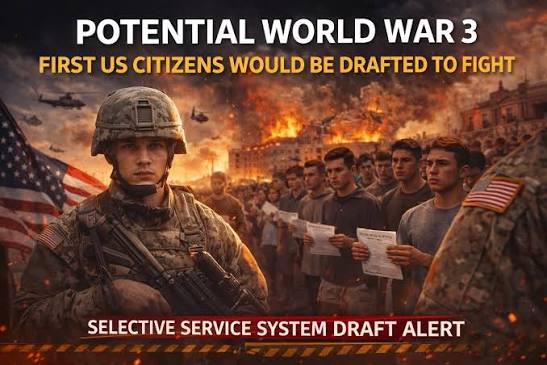
The phrase Military Draft Alert has surged across search engines and social media after reports confirmed a major change in U.S. draft policy. Beginning in late 2026, eligible men will no longer need to manually register for military draft eligibility. Instead, the federal government will automatically enroll them into the national database.
This policy shift has triggered widespread debate, confusion, and fear—especially amid rising global tensions and concerns about possible future conflicts. Many Americans are asking the same question: Does automatic registration mean a draft is coming?
This comprehensive article breaks down the new rules, explains why the policy changed, and examines how war fears and political shifts are shaping public reaction.
Understanding the Military Draft System
To fully understand the Military Draft Alert headlines, it is important to know how the U.S. draft system works.
The U.S. maintains a national registry called the Selective Service System, which collects information on eligible individuals who could be called into service during a national emergency.
Historically:
- Men aged 18–25 were required to register manually.
- Registration did not mean automatic military service.
- The U.S. has operated primarily with volunteer military forces since the 1970s.
The last active draft occurred during the Vietnam War, after which the country transitioned to an all-volunteer force.
Even though drafts have not been used in decades, the Selective Service registry has remained active as a contingency system.
What Is the New Auto Registration Policy?
One of the biggest drivers behind the Military Draft Alert trend is the newly approved automatic registration system.
Starting in December 2026, eligible young men in the United States will be automatically added to the draft database without taking any action themselves.
Key Features of the New Policy
- Automatic registration for men aged 18–25
- Federal databases will be used to identify eligible individuals
- Individuals will no longer need to self-register
- The change was approved through defense legislation
This shift became law through the National Defense Authorization Act for Fiscal Year 2026, which included a provision requiring automatic enrollment into the draft system.
Government officials say the change is meant to simplify compliance and ensure that eligible individuals are properly recorded.
Why the US Introduced Automatic Draft Registration
The automatic registration system was not created overnight. It is the result of years of administrative challenges and declining participation.
Declining Registration Rates
Officials reported falling registration numbers in recent years, partly because earlier registration options tied to student financial aid forms were removed.
Automatic registration is expected to:
- Increase compliance
- Reduce administrative costs
- Ensure faster readiness during emergencies
Authorities also noted that shifting the burden from individuals to the government would make the system more efficient and reliable.
Does Automatic Registration Mean War Is Coming?
This is one of the most searched questions related to the Military Draft Alert topic.
The short answer: No.
Automatic registration does not activate a draft.
For a draft to occur:
- Congress must approve it.
- The President must authorize activation.
- National emergency conditions must exist.
Officials have clarified that no active draft is currently planned, even as the government modernizes the registration process.
However, geopolitical tensions have fueled speculation and anxiety.
War Tensions and Public Fear Surge
Military draft fears tend to rise whenever global conflicts intensify.
Recent international developments—including regional conflicts and ceasefire instability—have contributed to speculation about future military needs.
Some reports noted that policymakers are keeping “options open” regarding future defense strategies, although no immediate mobilization plans exist.
Why Fear Spread Quickly
Several factors amplified public concern:
- Viral social media posts
- Misleading headlines
- Confusion about policy details
- Rising geopolitical tensions
Search trends show dramatic spikes in queries such as:
- “Is the draft coming back?”
- “Military draft alert meaning”
- “Will war start soon?”
These questions highlight the growing sense of uncertainty among younger populations.
Who Will Be Automatically Registered?
Understanding eligibility is crucial to interpreting the Military Draft Alert news.
Eligible Individuals
Automatic registration will apply to:
- Male U.S. citizens aged 18–25
- Some male immigrants residing in the United States
- Individuals turning 18 after December 2026
Women are currently not included in mandatory registration, although debates continue on whether they should be added in future legislation.
What Happens After Registration?
Being registered does not mean immediate military service.
Instead, it means:
- Your name enters the national registry
- You may be called only if a draft is authorized
- Additional screening would occur before service
If a draft were activated, candidates would undergo:
- Physical examination
- Medical screening
- Classification review
Only individuals meeting military standards would be eligible.
Penalties and Legal Implications
Under earlier rules, failure to register could lead to serious consequences.
These included:
- Loss of federal financial aid eligibility
- Disqualification from government jobs
- Possible fines and legal penalties
Under the new system, automatic registration removes the risk of accidental non-compliance.
How Social Media Fueled Draft Panic
The Military Draft Alert trend demonstrates how digital platforms can spread fear rapidly.
Viral Misinformation Examples
Common myths included:
- “Draft begins in 2026”
- “All young people will be forced into service”
- “War has already been approved”
Most of these claims were inaccurate or exaggerated.
Automatic registration only creates a database, not a draft order.
Historical Context: The US Draft System
To understand public anxiety, it helps to review the historical roots of conscription.
Key Draft Eras
- World War I
- World War II
- Korean War
- Vietnam War
After the Vietnam era, the United States shifted to an all-volunteer military system, reducing reliance on forced service.
However, maintaining the registry ensures readiness if national security demands it.
Political Reactions to the Policy Shift
The automatic registration rule has drawn mixed reactions across political groups.
Supporters Say
The policy:
- Improves efficiency
- Saves taxpayer money
- Ensures fairness
- Reduces administrative burden
Critics Argue
Opponents worry about:
- Privacy concerns
- Government data tracking
- Increased military readiness signaling war
Civil liberties groups also raised concerns about individuals who object to military service on moral grounds.
Will Women Be Included in the Draft?
This remains a major policy debate.
Some lawmakers support gender-neutral registration, arguing that modern military roles are not limited by gender.
However:
- Women are not currently required to register.
- Proposed changes have been debated but not approved.
Future legislation could change eligibility requirements.
Economic and Social Impacts
Policy changes affecting military registration can have broader consequences.
Education Impact
Registration status has historically affected eligibility for:
- Federal student loans
- Scholarships
- Training programs
Employment Impact
Draft registration has also influenced:
- Federal job eligibility
- Government contracting opportunities
Automatic registration may reduce bureaucratic barriers for young adults.
How the Policy Reflects Modern Military Needs
Military forces today rely heavily on:
- Technology
- Cybersecurity
- Specialized training
This reduces dependence on large-scale conscription.
However, strategic planning still requires contingency systems.
Automatic registration ensures:
- Faster mobilization capability
- Accurate manpower estimates
- National defense readiness
Public Response: Fear vs Reality
The Military Draft Alert headlines created emotional reactions nationwide.
But understanding the difference between registration and draft activation is key.
Reality Check
- Registration ≠ Draft
- Draft requires Congressional approval
- No active draft is currently planned
These facts help clarify many online rumors.
Global Conflicts and Military Preparedness
International conflicts often influence domestic military policy.
Governments maintain contingency systems to ensure readiness during crises.
This includes:
- Maintaining draft databases
- Updating mobilization procedures
- Monitoring manpower availability
While war fears rise during global instability, policy changes do not always signal imminent conflict.
Future Outlook: What Comes Next
The automatic registration system represents one of the largest changes to the U.S. draft process in decades.
Experts expect:
- Continued debate on gender inclusion
- Ongoing modernization of defense systems
- Potential legal challenges from advocacy groups
Public awareness campaigns are also expected to explain the new rules.
SEO Frequently Asked Questions (FAQs)
1. What is the Military Draft Alert about?
The Military Draft Alert refers to news that the United States will automatically register eligible men for the draft beginning in December 2026, rather than requiring them to sign up manually.
2. Does automatic registration mean a draft will happen?
No. Automatic registration only places individuals into a database. A draft would require approval from Congress and authorization by the President.
3. When will automatic registration begin?
Automatic draft registration is scheduled to begin in December 2026.
4. Who must register for the draft?
Men aged 18–25 in the United States are required to be registered. Under the new system, this will happen automatically.
5. Are women included in the draft?
Currently, women are not required to register, though lawmakers continue to debate possible inclusion.
6. Has the US used a draft recently?
No. The last active draft occurred during the Vietnam War, and the United States has relied on volunteers since then.
7. Why did the government introduce automatic registration?
The change aims to increase compliance, reduce administrative burden, and ensure readiness during national emergencies.
8. Can the President start a draft alone?
No. A draft requires Congressional authorization before activation.
Final Thoughts
The Military Draft Alert headlines reflect a major administrative change—not an immediate military mobilization. Automatic registration marks a modernization effort designed to streamline compliance and strengthen national readiness.
While war fears and policy shifts have fueled public anxiety, understanding the legal framework behind military drafts helps separate fact from speculation. The new system simply ensures that eligible individuals are properly recorded—not that they will be called to serve.
As global tensions evolve, the discussion around military readiness, national defense, and individual responsibility will likely continue to dominate public debate well into the future.
How useful was this post?
Click on a star to rate it!
Average rating 0 / 5. Vote count: 0
No votes so far! Be the first to rate this post.
About the Author

usa5911.com
Administrator
Hi, I’m Gurdeep Singh, a professional content writer from India with over 3 years of experience in the field. I specialize in covering U.S. politics, delivering timely and engaging content tailored specifically for an American audience. Along with my dedicated team, we track and report on all the latest political trends, news, and in-depth analysis shaping the United States today. Our goal is to provide clear, factual, and compelling content that keeps readers informed and engaged with the ever-changing political landscape.