Iran Under Siege: Expert Warns Of ‘Economic Strangulation’ As US Pressure Tightens
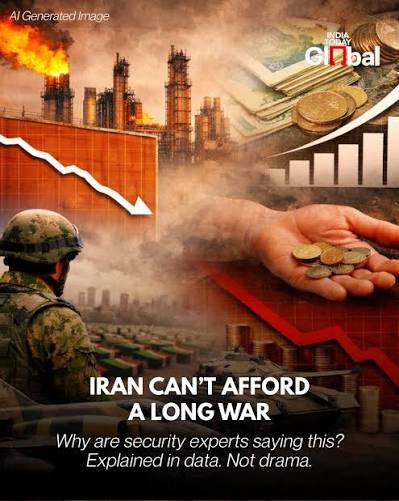
As tensions between the United States and Iran continue to escalate, analysts are increasingly warning that Tehran is facing what some describe as “economic strangulation.” Rather than relying solely on military pressure, Washington has intensified financial restrictions, sanctions enforcement, and efforts to disrupt Iran’s oil revenue and international banking access. Recent reporting indicates the strategy increasingly focuses on cutting off the financial networks that sustain Iran’s economy while keeping diplomatic options formally open.
The latest developments have renewed global concerns over the stability of the Middle East, international energy markets, and the possibility that prolonged economic pressure could reshape regional geopolitics.
This article examines the latest measures, expert assessments, economic consequences, and what could happen next.
Why Is Iran Facing Increasing US Pressure?
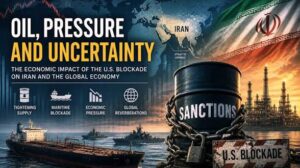
The United States has steadily expanded sanctions and financial restrictions targeting Iran over concerns including its nuclear activities, regional influence, and security issues.
Recent actions reportedly include:
Increased enforcement against banks handling Iranian transactions
New sanctions targeting shipping companies
Restrictions aimed at limiting Iranian oil exports
Greater scrutiny of financial institutions in Asia and the Middle East accused of facilitating Iranian trade
According to analysts, these measures are designed to reduce Iran’s ability to finance government operations while increasing pressure for negotiations.
Expert Warns of “Economic Strangulation”
Several sanctions experts have described the current strategy as one of the strongest economic campaigns against Iran in decades.
Former sanctions officials argue Washington is attempting to restrict not only Iran’s oil exports but also the financial pathways that allow Tehran to receive payment for those exports.
The phrase “economic strangulation” refers to efforts aimed at:
Blocking access to global banking systems
Reducing foreign currency inflows
Disrupting shipping networks
Limiting investment
Increasing financial isolation
Supporters believe these measures can increase negotiating leverage, while critics argue that sanctions often impose the greatest burden on ordinary civilians.
How the US Strategy Has Shifted
Analysts note that Washington’s approach has evolved beyond traditional sanctions.
Current pressure reportedly combines:
Financial Restrictions
The US Treasury has reportedly warned banks in multiple countries that facilitating Iranian transactions could expose them to secondary sanctions.
Oil Export Controls
Iran’s oil industry remains a central target because petroleum exports are one of the country’s primary sources of revenue.
Recent sanctions have also targeted shipping companies and refineries accused of processing Iranian crude.
Diplomatic Pressure
US officials continue to say diplomacy remains possible despite military and economic tensions.
The Economic Impact Inside Iran
Iran’s economy has struggled for years under sanctions, inflation, and currency instability.
Analysts identify several major challenges:
High Inflation
Rising prices have reduced purchasing power for many households.
Currency Weakness
The Iranian currency has experienced significant depreciation, increasing import costs.
Business Closures
Many businesses face difficulties obtaining imported goods and financing.
Employment Challenges
Private-sector investment has slowed, affecting job creation.
Some recent analyses warn that continued pressure could deepen recessionary conditions and increase social hardship.
Oil Remains the Center of the Conflict
Oil revenue continues to play a critical role in Iran’s economy.
The United States has increasingly focused on:
Oil exports
Tanker operations
Shipping logistics
Payment systems
Foreign refiners
Officials believe reducing oil income weakens Tehran’s financial flexibility.
However, Iran has previously developed alternative trading methods, including using intermediaries and “shadow fleet” shipping operations, making enforcement an ongoing challenge.
Can Economic Pressure Change Iran’s Policies?
Experts remain divided.
Some believe sustained economic pressure could encourage renewed negotiations.
Others argue Iran has adapted to sanctions over many years and may continue resisting despite severe financial hardship.
Recent analyses suggest military pressure alone is unlikely to resolve the broader dispute and that diplomacy remains essential for any lasting settlement.
Risks for the Global Economy
The Iran-US confrontation extends well beyond the Middle East.
Potential consequences include:
Higher oil prices
Increased shipping costs
Supply chain disruptions
Inflationary pressure
Greater market volatility
Energy markets remain particularly sensitive because of the strategic importance of the Strait of Hormuz, through which a significant share of global oil shipments passes.
Humanitarian Concerns
While sanctions aim to pressure governments, humanitarian organizations have long expressed concern that broad economic restrictions can also affect civilians.
Potential impacts include:
Higher food prices
Reduced purchasing power
Medicine shortages
Rising unemployment
Increased poverty
These concerns remain central to international debates over sanctions policy.
Could Negotiations Resume?
Diplomatic channels remain open despite continuing tensions.
Recent reports suggest negotiations have stalled over key issues, including sanctions relief, nuclear restrictions, and broader security guarantees.
Whether economic pressure ultimately encourages compromise or entrenches existing positions remains uncertain.
International Response
Several countries continue urging restraint.
Many governments support diplomatic engagement while also expressing concern about regional security, energy stability, and humanitarian conditions.
Financial institutions worldwide are also monitoring evolving sanctions requirements to avoid potential penalties.
What Happens Next?
The coming months could prove critical.
Possible scenarios include:
1. Increased Sanctions
Washington could introduce additional restrictions targeting finance, shipping, and trade.
2. Renewed Diplomacy
Negotiations could resume if both sides identify mutually acceptable conditions.
3. Continued Stalemate
Economic pressure and political tensions could persist without a major breakthrough.
4. Regional Escalation
Any new military incident could quickly affect energy markets and global trade.
Conclusion
Iran faces one of its most challenging economic environments in years as US financial pressure intensifies. Experts describe the current campaign as an effort to isolate Tehran economically by restricting oil revenues, tightening banking controls, and increasing sanctions enforcement.
At the same time, analysts caution that sanctions alone may not resolve longstanding geopolitical disputes. While economic pressure can alter incentives, lasting stability will likely depend on diplomatic engagement alongside broader regional security efforts.
Frequently Asked Questions (FAQs)
What does “economic strangulation” mean?
It refers to policies intended to severely restrict a country’s economy by limiting trade, banking access, and financial resources.
Why is the US increasing pressure on Iran?
The US says the measures are intended to influence Iran’s policies on security, regional activities, and nuclear-related issues through economic leverage.
How do sanctions affect Iran?
Sanctions can reduce oil revenues, restrict access to international finance, weaken the currency, and contribute to inflation and slower economic growth.
Could sanctions lead to negotiations?
Some analysts believe increased pressure could encourage talks, while others argue prolonged sanctions may harden positions on both sides.
Why is the Strait of Hormuz important?
It is one of the world’s most important energy shipping routes, making disruptions there significant for global oil markets.
How useful was this post?
Click on a star to rate it!
Average rating 0 / 5. Vote count: 0
No votes so far! Be the first to rate this post.
About the Author

usa5911.com
Administrator
Hi, I’m Gurdeep Singh, a professional content writer from India with over 3 years of experience in the field. I specialize in covering U.S. politics, delivering timely and engaging content tailored specifically for an American audience. Along with my dedicated team, we track and report on all the latest political trends, news, and in-depth analysis shaping the United States today. Our goal is to provide clear, factual, and compelling content that keeps readers informed and engaged with the ever-changing political landscape.