House Republican Tom Emmer is among the leading voices raising concerns about the direction Democrats may take. Emmer argues that investigating President Donald Trump and his administration will not address the economic challenges facing American families. Instead, he says Republicans must organize a coordinated response to expose what they consider politically motivated investigations.
The dispute comes after Democrats secured control of the House in the 2026 midterm elections. Their victory gives them the opportunity to reshape congressional committees, launch investigations and demand information from the Trump administration.
However, Republicans are preparing to challenge that strategy. The growing disagreement raises important questions about congressional oversight, executive accountability and the proper use of investigative authority.
At the center of the controversy is a familiar political struggle: whether congressional investigations serve the public interest or become tools for partisan warfare.
1. Tom Emmer outlines the Republican response to Democratic oversight
Tom Emmer is preparing for a different role in Congress as Republicans move into the minority in the 120th Congress. After serving as House majority whip for four years, the Minnesota Republican was elected to serve as minority whip alongside incoming Republican leader Jim Jordan.
The leadership change will significantly affect how Republicans operate in Washington. Democrats are expected to control the House agenda, committee leadership and the legislative process when the new Congress begins in January.
Emmer believes Republicans must remain active even without controlling the chamber.
In an interview with Fox News Digital, he explained that Republicans would use committee hearings, floor votes and other procedural tools to challenge Democratic priorities.
He specifically questioned the value of making investigations into Trump the central focus of the incoming majority.
“What’s their answer to dealing with costs and wages? We’re going to investigate Trump,” Emmer said.
His criticism reflects a broader Republican argument that Democrats should focus on economic concerns rather than investigations targeting the president.
Emmer also indicated that Republicans would develop their strategy as the new Congress progresses. He described the party’s approach as a collection of different political and procedural tools that could be deployed depending on the circumstances.
The comments suggest that Republicans are preparing for an aggressive minority strategy rather than accepting a reduced role in congressional debates.
House Majority Whip
2. Why the House Oversight Committee has become a political battleground

The House Oversight and Government Reform Committee is one of Congress’s most influential investigative bodies.
Its responsibilities include examining federal agencies, reviewing government spending, investigating alleged misconduct and ensuring that executive branch officials remain accountable.
The committee can request documents, conduct hearings, question witnesses and issue subpoenas under applicable congressional rules.
These powers make it particularly important when the White House and Congress are controlled by different political parties.
With Democrats preparing to take control of the House, the committee is expected to become a central platform for investigations into the Trump administration.
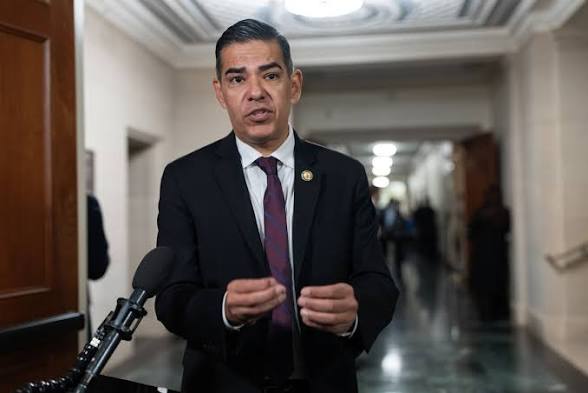
Representative Robert Garcia, a California Democrat, is expected to become its next chairman.
Garcia has already indicated that his party intends to investigate several issues involving the administration.
These include:
The handling and release of Jeffrey Epstein-related files.
Alleged conflicts of interest involving Trump’s family.
Federal immigration enforcement practices.
Government contracts and possible misuse of public resources.
The administration’s handling of certain government projects.
Questions surrounding the transfer of Ghislaine Maxwell to a lower-security prison.
These proposed investigations have attracted significant attention because they could involve senior administration officials and members of Trump’s family.
However, an important distinction remains: an investigation or a request to preserve documents does not establish that someone committed a crime.
Reuters reported on November 18 that Garcia sent document-preservation letters to 12 Trump allies, relatives and former officials. The letters outlined possible investigative priorities but did not establish wrongdoing by their recipients.
Reuters
3. Democrats defend their right to investigate the Trump administration
Democrats argue that congressional oversight is a constitutional responsibility rather than an optional political activity.
Their position is that controlling the House gives them a responsibility to examine the actions of the executive branch, regardless of which party occupies the White House.
Garcia has made clear that Democrats intend to use their investigative authority.
His post-election message urging Trump administration officials to “lawyer up” became an early indication of the confrontational approach expected in the new Congress.
Garcia has also rejected suggestions that the White House can intimidate lawmakers into abandoning legitimate investigations.
Democrats argue that oversight is essential for identifying corruption, protecting public resources and ensuring that federal officials follow the law.
They also point to the importance of investigating issues that affect public confidence in government institutions.
For example, questions about the handling of Epstein-related records have attracted bipartisan public interest. Democrats want more information about the administration’s decisions and whether relevant documents have been properly disclosed.
Similarly, investigations into immigration enforcement could examine agency procedures, detention conditions and the use of federal resources.
However, Democrats will need to demonstrate that their investigations have clear purposes and are supported by credible evidence.
Simply announcing investigations against political opponents will not guarantee meaningful results.
The challenge for Garcia will be to transform political promises into focused inquiries that produce useful information for Congress and the public.
4. White House pushes back against Democratic investigation plans
The growing confrontation is not limited to comments from Republican lawmakers.
The White House has also challenged the incoming Democratic leadership over its planned investigations.
White House Counsel Will Scharf sent a letter to Garcia warning that certain threats and investigative practices could exceed Congress’s legitimate authority.
The letter argued that congressional subpoena powers must be used for legitimate oversight purposes rather than to harass administration officials or intimidate individuals.
Scharf also suggested that threats directed at executive branch officials could raise serious legal questions under certain circumstances.
The warning immediately intensified the political dispute.
The administration’s position is that congressional investigations must have a valid legislative purpose and comply with constitutional limitations.
Democrats, meanwhile, argue that the White House is attempting to discourage legitimate oversight through legal threats.
According to the Associated Press, Garcia rejected the administration’s warning and emphasized that Congress is a coequal branch of government.
The disagreement highlights a fundamental constitutional issue: Congress has investigative authority, but that authority is not unlimited.
The executive branch can also assert legal protections, including executive privilege, when appropriate.
The eventual outcome may depend on how both sides use these powers and whether disagreements require judicial intervention.
The Washington Post+1
5. Emmer believes Democrats risk ignoring economic concerns
One of Emmer’s most important criticisms concerns the economic priorities of the incoming Democratic majority.
Republicans argue that American voters are more interested in practical economic improvements than prolonged political investigations.
Issues such as inflation, wages, housing costs, healthcare expenses and employment remain important subjects in national political debates.
Emmer believes Democrats could damage their political position if they spend too much time investigating Trump instead of addressing these concerns.
His argument also reflects the Republican strategy for the next two years.
Although Republicans will lose control of the House, they still have opportunities to challenge Democratic proposals and highlight disagreements within the opposition party.
Emmer suggested that coordinated committee hearings and floor votes could help Republicans expose differences among Democratic lawmakers.
This strategy could become particularly important if progressive and moderate Democrats disagree over spending, taxation, immigration or government reform.
For Republicans, those disagreements could provide opportunities to attract independent voters and prepare for the next election cycle.
However, the political effectiveness of this approach remains uncertain.
Democrats could argue that oversight and economic policymaking are not mutually exclusive. They may attempt to pursue investigations while simultaneously advancing legislation on affordability and other domestic priorities.
Ultimately, voters will judge the incoming majority on both its legislative achievements and its ability to hold the administration accountable.
6. Republicans prepare to challenge Democratic leadership
Emmer’s comments also reveal how Republicans intend to operate without control of the House.
The minority party has fewer opportunities to determine which legislation receives consideration. However, lawmakers still have several procedural tools available.
These include offering amendments, requesting votes and using parliamentary procedures to challenge legislation.
Republicans are considering ways to make Democratic leaders defend their positions publicly.
Emmer has suggested that committee hearings and floor votes will form part of this coordinated strategy.
Other Republican lawmakers have also discussed using amendments and procedural motions to put Democrats under political pressure.
The goal is not simply to oppose every Democratic proposal. Republicans also want to create a record of votes that can be used during future campaigns.
The strategy could become especially significant in closely divided districts.
Democratic lawmakers representing competitive constituencies may face difficult decisions when their party’s leadership supports proposals that are unpopular with some local voters.
Republicans hope these disagreements will help them regain seats in the 2028 elections.
Emmer has already expressed confidence that Republicans can recover their House majority.
His comments suggest that the party intends to treat the next Congress as an opportunity to rebuild its political position rather than simply defend the Trump administration.
House Majority Whip
7. The constitutional limits of congressional oversight

The dispute between Emmer, Democrats and the White House raises important questions about the constitutional limits of congressional oversight.
Congress has broad authority to investigate matters connected to its legislative responsibilities. This power helps lawmakers understand how federal agencies operate and whether existing laws are being implemented properly.
However, congressional investigations must have legitimate purposes.
Lawmakers cannot simply use subpoenas as unrestricted political weapons. Investigations must operate within constitutional requirements and applicable legal protections.
The Speech or Debate Clause of the Constitution also provides important protections for members of Congress when carrying out legitimate legislative activities.
This protection is designed to preserve legislative independence and prevent the executive branch from improperly interfering with congressional responsibilities.
At the same time, it does not mean every action taken by a lawmaker is automatically protected.
The disagreement over Democratic investigations therefore involves two competing concerns.
First, Congress must retain the ability to investigate executive branch conduct without political intimidation.
Second, investigative authority must not become a mechanism for harassment or punishment without a legitimate legislative purpose.
Legal experts and lawmakers may disagree about where those boundaries apply in specific circumstances.
The courts could eventually become involved if disputes over subpoenas, executive privilege or congressional authority cannot be resolved through negotiations.
For now, the controversy demonstrates how difficult oversight can become when political divisions deepen between Washington’s two branches of government.
8. Robert Garcia’s investigation plans increase pressure on Trump allies
Robert Garcia’s expected leadership of the Oversight Committee will be an important development in the coming Congress.
His approach suggests that Democrats intend to begin their investigative work early rather than wait for the new congressional session to settle into a routine.
The document-preservation letters sent in November provide an early indication of the subjects Democrats want to examine.
According to Reuters, the recipients included Donald Trump Jr., Eric Trump, Jared Kushner, Vice President JD Vance, White House Chief of Staff Stephen Miller and Attorney General Todd Blanche, among others.
The letters asked recipients to preserve relevant records connected to potential investigations.
They do not mean that the recipients have been charged with wrongdoing.
Nevertheless, the move signals that Democrats want to establish a documentary record before launching more formal investigations.
This could become an important part of their strategy because government investigations often depend on emails, communications, financial records and other documents.
Garcia has also indicated that Democrats may use subpoenas if administration officials do not cooperate with their requests.
The White House, however, has challenged the legal authority of some requests made before Democrats formally take control of committee leadership.
That disagreement could create further confrontations when the new Congress begins.
Reuters+1
9. The Republican argument against political weaponization
The phrase political weaponization has become central to Republican criticism of Democratic investigative plans.
Republicans argue that government institutions should not be used to damage political opponents.
From their perspective, Democrats risk repeating the same type of partisan behavior they previously criticized during Republican-led investigations.
The GOP also argues that investigations should be based on evidence rather than political messaging.
Emmer’s comments fit into this broader argument.
His criticism is directed at the possibility that Democrats could prioritize investigations into Trump over policies addressing the country’s economic challenges.
However, there is another side to this debate.
Democrats argue that investigating possible misconduct is a normal part of congressional responsibility. They reject the idea that scrutiny becomes illegitimate simply because it involves a president or administration from the opposing party.
The distinction between legitimate oversight and political weaponization will therefore remain contested.
A hearing that examines credible evidence of government misconduct can serve the public interest. An investigation designed primarily to generate headlines or intimidate political opponents may undermine public confidence.
The same standards should apply regardless of which party controls Congress.
This is particularly important because both Republicans and Democrats have previously used congressional committees to investigate administrations led by the opposite party.
The credibility of future investigations will depend on transparency, evidence, fair procedures and meaningful findings.
10. What the 2026 midterm results mean for Washington
The 2026 midterm elections have changed the political balance in Washington.
Democrats are preparing to take control of the House, while Republicans must adjust to their new position in the minority.
The leadership transition will affect committee assignments, legislative priorities and the relationship between Congress and the White House.
For Democrats, the victory creates an opportunity to investigate the Trump administration and advance their own policy agenda.
For Republicans, the challenge is to remain politically relevant while defending the administration against investigations they consider partisan.
Emmer’s new position as minority whip could make him an important figure in coordinating the Republican response.
He will have to help lawmakers maintain party unity, identify opportunities to challenge Democratic proposals and communicate the GOP’s priorities to voters.
Meanwhile, Democrats will face pressure to demonstrate that their new majority can deliver more than political confrontations.
The next two years could become a test of whether congressional oversight can produce meaningful accountability without becoming consumed by partisan conflict.
11. Could the House Oversight battle affect the 2028 elections?
Although the new Congress will not begin until January, both parties are already thinking about the next national election cycle.
Republicans view the incoming Congress as an opportunity to rebuild their political standing.
Emmer has indicated that winning back the House majority in 2028 will be a central objective.
Democrats, meanwhile, must prove that their election victory can translate into effective governance.
Their investigative agenda could energize supporters who want stronger scrutiny of the Trump administration.
However, an overly aggressive approach could also create political risks if voters believe that investigations are replacing efforts to address everyday concerns.
Republicans will likely highlight any controversial subpoenas, unsuccessful investigations or disagreements within the Democratic Party.
Democrats will counter by arguing that transparency and accountability are necessary responsibilities of the majority.
The result could be a highly competitive political environment in which both parties use congressional proceedings to shape their campaign messages.
The effectiveness of each strategy will depend on the evidence produced, the policies advanced and the public’s response.
For now, Emmer’s remarks indicate that Republicans are preparing to challenge Democrats at every major opportunity.
12. What happens next in the House Oversight battle?
The next major developments are expected when the 120th Congress convenes in January 2027.
Democrats will assume control of House committees and gain greater authority over the investigative agenda.
Garcia is expected to lead the Oversight Committee, giving him a powerful platform to pursue inquiries involving the administration.
Republicans, meanwhile, will attempt to scrutinize Democratic investigations and challenge what they consider excessive or politically motivated actions.
Several developments could determine how the dispute unfolds:
Committee leadership: Democrats will establish their investigative priorities and select committee members.
Document requests: Lawmakers may seek additional records from administration officials and private individuals.
Congressional subpoenas: Disputes could emerge if witnesses refuse to cooperate.
Executive privilege: The White House may challenge requests involving protected communications.
Court battles: Legal disputes could eventually require judicial decisions.
Public hearings: Both parties may use hearings to communicate their arguments directly to voters.
These developments could shape the relationship between Congress and the White House throughout 2027.
The central question will be whether lawmakers can maintain meaningful oversight while avoiding investigations that appear designed primarily for partisan advantage.
Conclusion: Emmer signals a difficult fight ahead for Democrats
Tom Emmer’s warning reflects the growing political confrontation surrounding congressional oversight as Democrats prepare to take control of the House.
Republicans believe the incoming majority could misuse its investigative powers to target Trump and his administration. Emmer argues that Democrats should focus on economic challenges rather than making investigations their central political priority.
Democrats reject that criticism and maintain that investigating possible misconduct is an essential responsibility of Congress.
Meanwhile, the White House has challenged the legal basis of some proposed investigations, creating another layer of conflict between the executive and legislative branches.
The coming months will determine how aggressively Democrats pursue their oversight agenda and how effectively Republicans respond.
One thing is already clear: the transition to a Democratic-controlled House is likely to bring intense political battles over accountability, executive authority and the future direction of American politics.
Frequently Asked Questions (FAQs)
1. Who is Tom Emmer?
Tom Emmer is a Republican representative from Minnesota. He served as House majority whip and was elected to serve as House minority whip for the 120th Congress.
2. Why is Emmer criticizing Democrats?
Emmer believes Democrats could use their new House majority to pursue politically motivated investigations into President Donald Trump instead of focusing on economic issues such as wages and living costs.
3. What is the House Oversight Committee?
The House Oversight and Government Reform Committee is a congressional committee responsible for investigating federal government operations, examining alleged misconduct and overseeing executive branch activities.
4. Who is expected to lead the House Oversight Committee?
Representative Robert Garcia, a Democrat from California, is expected to become the committee’s chairman when Democrats take control of the House in January 2027.
5. What investigations are Democrats planning?
Democrats have signaled interest in investigating Epstein-related files, alleged Trump family conflicts of interest, immigration enforcement and other administration activities.
6. Has Tom Emmer accused Democrats of political weaponization?
Emmer has criticized the incoming Democratic majority’s expected focus on investigating Trump, arguing that it will not solve economic problems. His comments form part of the broader Republican criticism of politically motivated oversight.
7. What did the White House say about Democratic investigations?
White House Counsel Will Scharf warned that certain investigative threats and abusive uses of congressional authority could raise legal concerns. Democrats rejected the warning as an attempt to intimidate lawmakers.
8. Can Democrats investigate President Trump?
Yes. Congress has constitutional oversight responsibilities and can investigate executive branch activities for legitimate legislative purposes. However, congressional investigations must follow applicable constitutional and legal requirements.
9. How will Republicans respond to Democratic investigations?
Republicans plan to use committee hearings, floor votes, amendments and other parliamentary procedures to challenge Democratic priorities and highlight disagreements within the majority party.
10. When will Democrats take control of the House?
Democrats are expected to assume control when the 120th Congress begins in January 2027.
About the Author