HORMUZ ERUPTS: Ships HIT As US Prepares Blockade On Iranian Ports
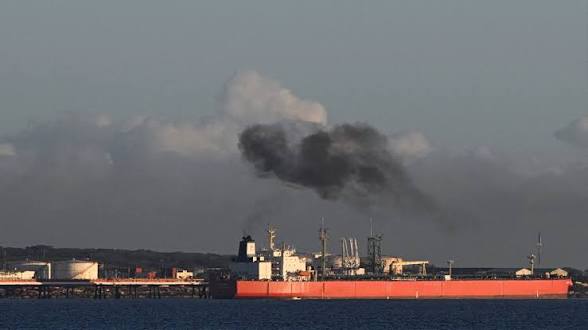
The Strait of Hormuz has once again become the center of global attention after multiple commercial vessels were reportedly attacked while the United States announced plans to begin enforcing a maritime blockade on Iranian ports. The developments mark another dramatic escalation in the ongoing confrontation between Washington and Tehran and have sparked fresh concerns over energy security, shipping safety, and the risk of a wider regional conflict.
As one of the world’s most strategically important maritime chokepoints, the Strait of Hormuz handles roughly one-fifth of global oil shipments under normal conditions. Any disruption in the area has immediate consequences for international markets, shipping companies, and governments that depend on Gulf energy exports.
Why the Strait of Hormuz Matters
The Strait of Hormuz connects the Persian Gulf with the Gulf of Oman and the Arabian Sea. Although only a narrow waterway, it serves as the primary export route for oil and liquefied natural gas from major Gulf producers including Saudi Arabia, Iraq, Kuwait, Qatar, and the United Arab Emirates.
Every day, millions of barrels of crude oil transit through the passage. Even limited military activity in the area can lead to:
- Higher global oil prices
- Increased shipping insurance costs
- Delays in cargo deliveries
- Financial market volatility
- Supply chain disruptions
Because of its strategic value, Hormuz has remained a geopolitical flashpoint for decades.
Ships Reportedly Come Under Attack
According to multiple reports, several commercial tankers have recently been struck during renewed hostilities around the Strait of Hormuz. Maritime security organizations indicated that attacks targeted merchant vessels operating near one of the world’s busiest shipping lanes, resulting in casualties among crew members and renewed warnings for commercial shipping.
Security analysts say the attacks demonstrate the increasing risks facing civilian shipping as military operations intensify across the region.
Several shipping companies have already begun reassessing routes through the Gulf amid fears that additional attacks could follow.
US Announces Maritime Blockade
The latest escalation follows the United States’ announcement that it intends to enforce a maritime blockade covering Iranian ports and coastal facilities.
According to official guidance, vessels attempting to enter or leave Iranian ports without authorization could face interception, diversion, or seizure. However, U.S. officials have stated that neutral commercial traffic transiting the Strait of Hormuz to destinations outside Iran would generally not be restricted.
Officials describe the blockade as part of broader military and economic pressure aimed at limiting Iranian maritime activity.
Objectives Behind the Blockade
Security experts believe the proposed blockade serves several strategic purposes:
Restricting Iranian Trade
Limiting access to Iranian ports could reduce exports and imports that support Tehran’s economy.
Increasing Diplomatic Pressure
Washington hopes additional economic pressure could strengthen its negotiating position.
Protecting Regional Shipping
Officials argue the blockade is intended to reduce threats against commercial vessels operating in international waters.
Deterring Military Escalation
Military planners may view the blockade as a way to restrict Iranian naval operations without immediately expanding direct combat.
Iran’s Likely Response
Iran has consistently condemned foreign military operations near its coastline and has warned that attempts to restrict its maritime access would receive a response.
Military analysts believe Tehran possesses multiple options, including:
- Missile attacks
- Drone operations
- Naval patrols
- Fast attack boats
- Maritime mines
- Cyber operations
These capabilities could complicate efforts to secure shipping routes throughout the Gulf.
Rising Military Activity
Recent days have witnessed increased military operations involving airstrikes, missile launches, naval deployments, and maritime security missions.
Regional governments have raised alert levels while several international naval forces continue monitoring commercial shipping.
The concentration of military assets in a relatively small maritime area significantly increases the possibility of accidental confrontation.
Global Oil Markets React
Energy traders closely monitor developments around Hormuz because any interruption can rapidly influence crude oil prices.
Oil prices generally react to several factors:
Supply Risks
Reduced exports from Gulf producers can tighten global supply.
Shipping Costs
Insurance premiums often rise sharply during periods of conflict.
Transportation Delays
Ships may be forced to reroute or wait for military escorts.
Market Sentiment
Even without major supply losses, uncertainty alone can increase price volatility.
Financial markets frequently respond within hours of major security developments.
Impact on Shipping Companies
Commercial shipping firms face difficult operational decisions.
Companies may choose to:
- Delay departures
- Reroute vessels
- Increase onboard security
- Purchase additional insurance
- Await naval escorts
Each option increases transportation costs that may eventually affect consumers worldwide.
Insurance Costs Continue Rising
Marine insurers carefully evaluate risks before covering vessels operating near conflict zones.
As attacks increase, insurers may:
- Raise premiums
- Require additional security measures
- Restrict coverage
- Classify routes as high-risk
These added costs ultimately affect international trade.
Effects on Global Supply Chains
Modern supply chains depend heavily on predictable shipping schedules.
If Hormuz traffic slows significantly, industries including:
- Manufacturing
- Aviation
- Chemicals
- Agriculture
- Consumer goods
could experience delivery delays and higher operating costs.
Regional Countries Watch Closely
Neighboring Gulf states remain particularly concerned because their economies rely heavily on maritime exports.
Governments continue monitoring:
- Port operations
- Energy infrastructure
- Air defense readiness
- Maritime security
Many countries have also urged restraint to prevent further escalation.
International Calls for De-escalation
Numerous governments and international organizations have called on all parties to reduce tensions.
Diplomatic efforts continue to emphasize:
- Freedom of navigation
- Protection of civilian shipping
- Respect for international maritime law
- Prevention of wider regional conflict
Officials warn that prolonged instability could have serious consequences beyond the Middle East.
Could Oil Supplies Be Disrupted?
While major disruptions have not yet completely halted regional exports, prolonged attacks or expanded military operations could reduce shipping capacity.
Energy experts note that producers may attempt to use alternative export routes where possible, but replacement capacity remains limited compared with the Strait of Hormuz.
Financial Markets Remain Sensitive
Investors typically respond quickly to developments affecting global energy supplies.
Potential consequences include:
- Rising fuel prices
- Inflation concerns
- Stock market volatility
- Currency fluctuations
- Increased transportation expenses
Central banks and governments may closely monitor energy markets if instability persists.
Military Analysts Warn of Escalation Risks
Defense specialists caution that operations involving multiple naval forces, drones, aircraft, and missile systems significantly increase the possibility of unintended escalation.
Even isolated incidents involving commercial shipping could trigger broader military responses if miscalculations occur.
What Happens Next?
Several scenarios remain possible:
Continued Blockade Enforcement
The United States could expand inspections and interceptions involving vessels traveling to Iranian ports.
Diplomatic Negotiations
International mediation efforts could reduce tensions through renewed talks.
Additional Maritime Attacks
Commercial shipping may remain vulnerable if hostilities continue.
Expanded Military Operations
Both sides could increase military deployments if negotiations fail.
The situation remains highly fluid and subject to rapid change.
Conclusion
The latest developments surrounding the Strait of Hormuz represent one of the most significant maritime security challenges in recent years. Reports of ships being attacked, combined with U.S. preparations to enforce a blockade on Iranian ports, have intensified concerns over global energy supplies, commercial shipping, and regional stability.
Although officials have stated that neutral shipping through the strait should remain open, the combination of military operations and attacks on commercial vessels has increased uncertainty across global markets. Governments, shipping companies, and investors will continue watching developments closely as diplomatic and military responses unfold.
Frequently Asked Questions (FAQs)
What is the Strait of Hormuz?
The Strait of Hormuz is a narrow waterway connecting the Persian Gulf to the Gulf of Oman and the Arabian Sea. It is one of the world’s most important oil shipping routes.
Why is the US preparing a blockade on Iranian ports?
U.S. officials say the blockade is intended to increase pressure on Iran and regulate maritime access to Iranian ports as part of broader security measures.
Have commercial ships been attacked?
Yes. Multiple reports indicate that commercial tankers have recently come under attack near the Strait of Hormuz during the latest escalation.
Will the blockade close the Strait of Hormuz?
According to U.S. guidance, the blockade targets vessels entering or leaving Iranian ports and is not intended to stop neutral commercial transit through the Strait itself.
Why does this matter to the global economy?
Any disruption in the Strait of Hormuz can affect oil prices, shipping costs, supply chains, and financial markets because a significant share of global energy exports passes through the waterway.
As security risks increase in the Strait of Hormuz, global shipping companies are reassessing their operations. Many firms have implemented additional safety measures to protect their vessels and crews while navigating one of the world’s busiest maritime corridors.
Some shipping operators have temporarily delayed departures, while others are rerouting cargo where possible. However, alternatives to the Strait of Hormuz are limited, making it difficult to avoid the region entirely.
Shipping companies are also increasing communication with naval authorities to receive real-time security updates and guidance before entering high-risk waters.
Energy Markets Brace for Continued Volatility
Oil traders closely monitor every development involving the Strait of Hormuz because even minor disruptions can trigger sharp movements in crude prices.
Analysts believe several factors will influence market conditions over the coming weeks:
Supply Uncertainty
If exports from Gulf producers slow significantly, global oil supplies could tighten.
Investor Sentiment
Geopolitical uncertainty often pushes investors toward safer assets while increasing volatility in commodity markets.
Strategic Petroleum Reserves
Some countries may consider releasing strategic oil reserves if prolonged disruptions threaten energy security.
Alternative Export Routes
Several Gulf nations have pipelines that bypass the Strait of Hormuz, but these routes cannot fully replace the enormous volume of oil transported through the waterway.
Impact on Global Consumers
While military operations remain concentrated in the Middle East, consumers around the world could eventually feel the economic effects.
Potential impacts include:
- Higher gasoline and diesel prices
- Increased airline ticket costs
- Rising transportation expenses
- Higher prices for imported goods
- Inflationary pressure across multiple industries
The extent of these effects will largely depend on how long tensions persist and whether commercial shipping continues without major interruptions.
Maritime Security Operations Intensify
International naval forces have stepped up patrols around key shipping lanes to reassure commercial operators and maintain freedom of navigation.
These operations typically involve:
- Escorting vulnerable vessels
- Monitoring suspicious maritime activity
- Conducting aerial surveillance
- Sharing intelligence with commercial shipping companies
- Coordinating emergency response efforts
Maritime security experts stress that cooperation among allied naval forces is essential to reducing risks for civilian shipping.
Diplomatic Efforts Continue
Despite the heightened military activity, diplomatic channels remain active.
Several governments have urged both Washington and Tehran to avoid actions that could further destabilize the region.
International organizations continue emphasizing:
- Respect for international law
- Protection of civilian vessels
- Freedom of navigation
- Peaceful conflict resolution
- Regional stability
Diplomats warn that continued escalation could have consequences extending well beyond the Middle East.
How Businesses Are Preparing
Companies that rely on international shipping are reviewing contingency plans to minimize disruptions.
Businesses are focusing on:
Inventory Management
Many firms are increasing inventories to guard against shipping delays.
Supply Chain Diversification
Companies are exploring alternative suppliers and transportation routes where feasible.
Cost Planning
Importers and exporters are preparing for potentially higher freight and insurance expenses.
Risk Assessment
Businesses are closely monitoring geopolitical developments to adjust operations as conditions change.
Insurance Industry Responds
Marine insurers have classified parts of the Gulf as higher-risk zones following recent attacks on commercial vessels.
This could result in:
- Increased war-risk insurance premiums
- Additional documentation requirements
- More stringent safety protocols
- Higher operating costs for shipping companies
These additional expenses are often passed along the supply chain, affecting businesses and consumers alike.
Could the Conflict Expand?
Security analysts caution that the risk of broader regional escalation cannot be ruled out.
Potential flashpoints include:
- Additional missile or drone attacks
- Naval confrontations
- Cyber operations targeting infrastructure
- Disruptions to energy facilities
- Expanded military deployments by regional and international forces
However, experts also note that all sides have strong incentives to avoid a prolonged conflict that could severely damage the global economy.
What Experts Are Watching
Analysts are monitoring several indicators that could shape the next phase of the crisis:
Commercial Shipping Traffic
Any sustained decline in vessel movements through the Strait of Hormuz could signal worsening security conditions.
Oil Export Volumes
Changes in export levels from Gulf producers will influence global energy markets.
Diplomatic Statements
Official comments from the United States, Iran, Gulf states, and international organizations may provide clues about future policy decisions.
Military Deployments
The movement of naval assets, aircraft, and missile systems remains a key indicator of regional tensions.
Possible Scenarios Ahead
Several outcomes remain possible in the coming days and weeks:
Continued Maritime Operations
Commercial shipping may continue with enhanced security measures if attacks remain limited.
Increased Economic Pressure
Additional sanctions or maritime restrictions could further strain Iran’s economy.
Diplomatic Breakthrough
Negotiations could reduce tensions and restore confidence in regional shipping.
Wider Regional Conflict
If military incidents escalate, the crisis could expand beyond maritime operations and affect additional countries in the region.
The situation remains fluid, and developments could change rapidly depending on decisions made by the parties involved.
Final Thoughts
The reported attacks on commercial ships and the United States’ preparations for a blockade on Iranian ports have brought the Strait of Hormuz back into the global spotlight. As one of the world’s most critical energy corridors, any disruption in the region carries significant implications for international trade, energy security, and financial markets.
While governments continue to pursue both military preparedness and diplomatic engagement, businesses, investors, and consumers around the world are closely watching events unfold. Whether the crisis leads to prolonged instability or renewed negotiations will shape the future of one of the world’s most strategically important waterways.
FAQs
What is the US blockade on Iranian ports?
The reported blockade refers to U.S. efforts to restrict maritime access to Iranian ports as part of broader security and economic measures. Specific enforcement policies may evolve as the situation develops.
Why is the Strait of Hormuz so important?
The Strait of Hormuz is one of the world’s busiest maritime chokepoints, handling a significant share of global crude oil and liquefied natural gas exports.
How could this affect oil prices?
Any disruption to shipping through the Strait of Hormuz can reduce market confidence and raise concerns about supply, often leading to higher oil prices.
Are commercial ships still using the Strait?
Yes. Despite heightened security risks, commercial vessels continue to transit the Strait, although many operators have adopted additional safety measures.
Could this lead to a wider regional conflict?
Analysts warn that further military escalation remains a possibility, but diplomatic efforts continue to reduce tensions and prevent a broader conflict.
How useful was this post?
Click on a star to rate it!
Average rating 0 / 5. Vote count: 0
No votes so far! Be the first to rate this post.
About the Author

usa5911.com
Administrator
Hi, I’m Gurdeep Singh, a professional content writer from India with over 3 years of experience in the field. I specialize in covering U.S. politics, delivering timely and engaging content tailored specifically for an American audience. Along with my dedicated team, we track and report on all the latest political trends, news, and in-depth analysis shaping the United States today. Our goal is to provide clear, factual, and compelling content that keeps readers informed and engaged with the ever-changing political landscape.