Hakeem Jeffries: Budget Fight, Dem Push, GOP Clash, Congress Showdown
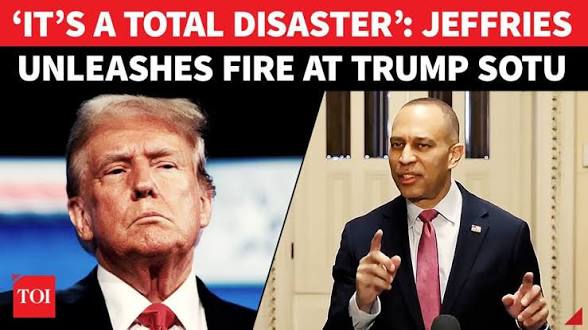
The Hakeem Jeffries budget fight has become one of the most defining political battles in Washington. The showdown between Democrats and Republicans has intensified debates over government spending, military funding, immigration policy, and economic priorities.
At the center of this conflict is Hakeem Jeffries, the House Democratic leader who has been vocal in opposing Republican-backed budget proposals. His stance reflects growing Democratic resistance to policies they believe harm working families.
Meanwhile, Republican lawmakers and the White House continue pushing forward spending plans that include defense funding increases and immigration enforcement measures. The result is a fierce clash that has brought Congress to the brink of shutdown threats and legislative stalemates.
This article explores the origins of the budget fight, the strategies from both sides, and the wider implications for the American economy and political future.
Understanding Hakeem Jeffries’ Role in Congress
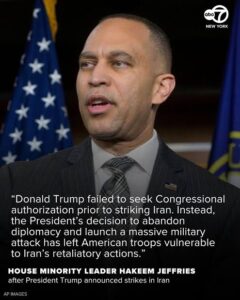
From Brooklyn to Congressional Leadership
Hakeem Jeffries has emerged as one of the most influential Democratic voices in Washington. Representing New York, he became House Democratic Leader after years of building alliances and shaping policy debates.
Jeffries is widely known for his communication skills and ability to unify different factions within the Democratic Party. His leadership style combines sharp criticism of Republican proposals with calls for bipartisan solutions.
As the budget conflict escalated, Jeffries positioned himself as the face of Democratic opposition, arguing that Republican priorities favor military spending over domestic needs.
Policy Priorities That Shape the Budget Debate
Jeffries’ policy goals influence how Democrats approach negotiations. His main priorities include:
- Reducing the cost of living
- Expanding healthcare access
- Increasing funding for infrastructure
- Protecting social safety programs
These goals have directly influenced the Democratic position during ongoing budget talks.
Jeffries has argued that taxpayer money should focus on improving daily life rather than funding prolonged overseas conflicts. He criticized federal spending priorities, stating that billions are being used abroad while domestic needs remain unmet.
The Origins of the Budget Fight
How the Conflict Began
The current Congress showdown began after disagreements over federal funding legislation. Republicans proposed spending bills that included increased defense allocations and immigration enforcement funding.
Democrats resisted, demanding reforms before approving certain funding measures. These disagreements triggered delays in passing budget legislation.
At one stage, negotiations nearly led to a government shutdown, highlighting how deeply divided Congress had become.
Immigration and Homeland Security Funding Disputes
One of the biggest flashpoints involves funding for immigration enforcement agencies.
Democrats pushed for reforms before approving funding for immigration operations. Republicans countered by seeking alternative legislative routes to pass funding without Democratic support.
Jeffries urged congressional leaders to reopen essential government operations, including the Department of Homeland Security, to prevent disruptions affecting workers and transportation services.
This disagreement remains a key factor driving the budget standoff.
Democrats’ Push: Prioritizing Domestic Needs
Focus on Healthcare and Affordability
Democrats argue that federal spending should focus on domestic issues rather than expanding military budgets.
According to Jeffries, the rising cost of living remains the most urgent issue facing American families.
He emphasized that federal spending decisions must address affordability concerns, including healthcare costs and energy prices.
Jeffries has repeatedly criticized military funding increases, stating that billions of taxpayer dollars are being spent overseas while everyday Americans struggle financially.
Strategy to Gain Public Support
Democrats have adopted a messaging strategy aimed at connecting policy debates to everyday financial concerns.
Their campaign messaging includes:
- Highlighting rising gas prices
- Linking war spending to inflation
- Promoting healthcare reforms
This strategy aims to shift public opinion in favor of Democratic proposals.
GOP Response: A Clash Over Fiscal Responsibility
Republican Budget Strategy
Republicans argue that increased defense funding is necessary for national security. They also emphasize the need to strengthen immigration enforcement and reduce government waste.
From their perspective, Democratic resistance threatens national stability and weakens security operations.
Republicans believe maintaining strong defense capabilities is essential in an increasingly volatile global environment.
The Ideological Divide
The Dem vs GOP clash represents deeper ideological differences:
Democrats prioritize:
- Social spending
- Healthcare expansion
- Wage growth
Republicans prioritize:
- Military readiness
- Border enforcement
- Fiscal restraint
These competing visions make compromise difficult.
War Funding and Its Role in the Budget Battle
The Debate Over Military Spending
A major factor intensifying the budget fight involves military spending tied to international conflicts.
Jeffries has strongly criticized large defense spending requests tied to overseas operations.
He warned that escalating military costs could worsen inflation and place additional burdens on taxpayers.
Reports indicate that billions of dollars are being allocated to defense initiatives, fueling concerns among Democrats about long-term fiscal stability.
Political Fallout from War Spending
The debate over war funding has widened the divide between lawmakers.
Democrats argue:
- Military spending increases inflation
- Domestic programs are underfunded
Republicans argue:
- Defense spending ensures national security
- Military readiness is non-negotiable
This disagreement remains one of the most difficult issues to resolve.
Government Shutdown Threats and Negotiation Tactics
The Risk of Shutdown
Repeated funding disputes have increased the risk of government shutdowns.
Shutdown threats are often used as negotiating tools during high-stakes legislative battles.
In recent weeks, lawmakers struggled to pass spending measures, leaving federal workers uncertain about paychecks and services.
Some negotiations stalled due to disagreements over immigration policy and budget priorities.
Political Strategy Behind Delays
Shutdown threats can serve political purposes.
Both parties sometimes use delays to:
- Pressure opponents
- Gain media attention
- Rally voter support
However, prolonged shutdowns carry serious economic consequences.
Congress Showdown: What Happens Next?
Key Legislative Deadlines
Upcoming budget deadlines will determine whether lawmakers reach compromise or face another shutdown crisis.
Congress must approve funding bills before deadlines expire to avoid service disruptions.
Failure to pass legislation could affect:
- Federal workers
- National security operations
- Public services
These high stakes add urgency to negotiations.
Bipartisan Efforts and Possible Compromises
Despite tensions, some bipartisan discussions continue.
Potential compromises include:
- Adjusted defense spending
- Limited immigration reforms
- Increased domestic funding
However, achieving consensus remains challenging.
Economic Impact of the Budget Fight
How Budget Disputes Affect the Economy
The ongoing Hakeem Jeffries budget fight has direct economic consequences.
Financial markets often react negatively to political instability.
Government spending delays can:
- Slow economic growth
- Reduce investor confidence
- Affect employment rates
Economic uncertainty remains a major concern.
Effects on American Households
Budget battles affect more than government operations.
They influence:
- Healthcare availability
- Energy prices
- Job opportunities
Jeffries has warned that rising costs linked to government spending decisions place additional burdens on working families.
Political Implications for Upcoming Elections
Campaign Messaging and Voter Impact
Budget disputes often shape election campaigns.
Democrats aim to highlight economic hardship and social program protections.
Republicans focus on security and fiscal responsibility.
These competing narratives will likely influence voter decisions.
Leadership Battles and Party Dynamics
The conflict also affects internal party politics.
Lawmakers must balance public expectations with party unity.
Jeffries has emphasized the importance of presenting a unified Democratic vision focused on affordability and economic reform.
How useful was this post?
Click on a star to rate it!
Average rating 0 / 5. Vote count: 0
No votes so far! Be the first to rate this post.
About the Author

usa5911.com
Administrator
Hi, I’m Gurdeep Singh, a professional content writer from India with over 3 years of experience in the field. I specialize in covering U.S. politics, delivering timely and engaging content tailored specifically for an American audience. Along with my dedicated team, we track and report on all the latest political trends, news, and in-depth analysis shaping the United States today. Our goal is to provide clear, factual, and compelling content that keeps readers informed and engaged with the ever-changing political landscape.