El Mencho Crackdown: Cartel Heat, Fentanyl War, US-Mexico Pressure Surge
You said
In late February 2026, the Mexican government, with critical support from U.S. intelligence agencies, executed a major security operation that culminated in the death of Nemesio “El Mencho” Oseguera, the notorious head of the Cártel de Jalisco Nueva Generación (CJNG). This dramatic development — known as the El Mencho Crackdown — not only marked a crucial tactical victory in the long-running Mexican Drug War but also reignited policy debates, cartel retaliation, and unprecedented international cooperation.
This article explores the origins of CJNG, the fentanyl crisis, the recent crackdown, and what this means for both Mexico and the United States.
Understanding El Mencho and the CJNG
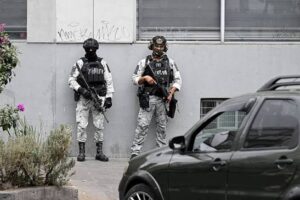
CJNG emerged in 2010 as an offshoot of other cartel factions and quickly became one of the most powerful and violent organized crime groups in Mexico. Under El Mencho’s leadership, it expanded violently throughout the country, challenging historic rivals such as the Sinaloa Cartel.
Who Was El Mencho?
Nemesio Oseguera Cervantes — known as El Mencho — was more than a cartel boss; he was a symbolic figure in Mexico’s narco landscape. His cartel controlled vast territories, managed lucrative smuggling routes, and was central to the export of fentanyl and other synthetic drugs into the United States.
El Mencho was elusive for years, evading capture despite being one of the most-wanted individuals by both Mexican and U.S. authorities. Prior U.S. sanctions and bounty offers — including multimillion-dollar incentives for information leading to his arrest — underscored his significance to transnational crime networks.
What Made CJNG Different?
Unlike traditional cartels, CJNG operated like a franchise: local criminal groups paid tribute to fly the CJNG flag while carrying out narcotics distribution, extortion, and other illicit enterprises. This decentralized model helped it expand rapidly.
The cartel also diversified into financial crime, fraud, illegal logging, and migrant smuggling — blending entrepreneurial ruthlessness with unparalleled violence that terrorized communities and challenged state authority.
The Fentanyl War and Border Concerns
CJNG’s role in the fentanyl crisis has been a focal point of U.S. policy and public concern for several years. Fentanyl — a potent synthetic opioid — has been linked to tens of thousands of overdose deaths across the United States. Mexican cartels, especially CJNG, became key suppliers of this drug by importing precursor chemicals and establishing clandestine labs.
Why Fentanyl?
Fentanyl’s high potency and profitability made it a strategic product for cartels. CJNG refined and shipped large quantities across the U.S. southern border, contributing to a public health crisis that Washington has labelled a priority national security threat.
The cartel’s trafficking operations were so significant that the DEA designated CJNG one of the top targets in its transnational cartel efforts — a recognition of how central El Mencho’s organization had become to the fentanyl trade.
U.S. Pressure on Mexico
Mounting pressure from U.S. leaders — including high-level diplomatic nudges, sanctions, and intelligence sharing — compelled Mexico to escalate its response against major cartel leaders. In the months preceding the operation that killed El Mencho, bilateral security cooperation intensified, involving specialized task forces and shared strategic planning.
The Crackdown Operation: A Turning Point
On February 22, 2026, the Mexican Army, supported by the U.S. Joint Interagency Task Force-Counter Cartel (JITF-CC), launched a complex operation in the mountainous region of Tapalpa, Jalisco. Among those killed was El Mencho and several of his close associates.
Joint Intelligence Support
The cooperation between Mexico and the United States was a defining aspect of this operation. U.S. intelligence, satellite data, and tactical guidance were key components that enabled Mexican forces to locate and deploy against El Mencho’s hideout.
This level of cooperation highlights a shift in U.S.–Mexico engagement — from border interdiction to active intelligence sharing and coordinated operations on Mexican soil.
Immediate Aftermath
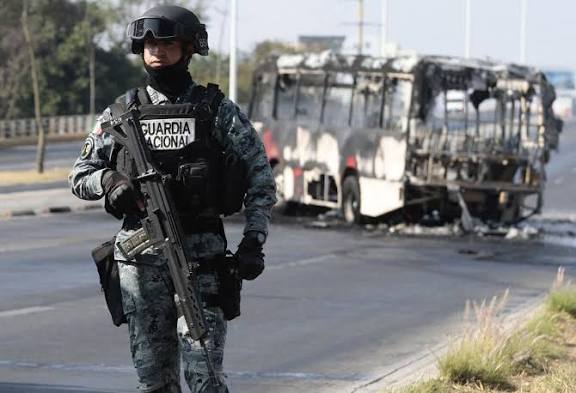
CJNG loyalists responded violently to the news, sparking roadblocks, shootings, and arson across several Mexican states. Major cities such as Guadalajara witnessed chaotic scenes as cartel operatives sought to retaliate and destabilize security forces.
In the wake of the operation:
Schools in numerous states were temporarily closed.
Foreign governments issued travel advisories for U.S. citizens in Mexico.
Air travel disruptions were reported due to safety concerns in affected regions.
The violent backlash underscored the enduring strength and territorial depth of CJNG even after losing its leader.
What This Means for Mexico and the U.S.
A New Phase of Cartel Fragmentation
With El Mencho gone, analysts believe CJNG may fracture into competing factions. Historically, this has been a period of heightened violence as rival leaders vie for control.
The death of a top cartel figure does not eliminate the organization but may shift power dynamics — and potentially reduce centralized command, while emboldening local cells.
Heightened Security Cooperation
The joint operation signals deeper cooperation between Mexico and U.S. counter-narcotics efforts. Intelligence sharing, sanctions, and coordinated pressure campaigns may become more common. This approach reflects a shared understanding that drug trafficking and violence are binational challenges requiring sustained coordination.
Public Health Implications
Disrupting major fentanyl supply chains could help reduce overdoses, but experts caution that such effects may be incremental. New suppliers can emerge, and precursors may be rerouted through different networks.
The Broader Implications for Cartel Strategy
Economic and Criminal Diversification
CJNG’s diversification into fraud, smuggling, and money laundering signified a shift away from pure narcotics trafficking. Even without El Mencho, these revenue streams could allow the cartel to reinvent itself beyond drug exportation.
Territorial Power Struggles
CJNG’s competition with rival cartel groups — including the Sinaloa Cartel and regional factions — creates a volatile landscape. The vacuum left by Mencho’s death could trigger turf wars and further violence as criminal networks reposition themselves.
FAQs About the El Mencho Crackdown
1. What led to the El Mencho Crackdown?
The crackdown resulted from intensified law enforcement pressure by both Mexican and U.S. authorities, largely driven by CJNG’s pivotal role in fentanyl trafficking and rising cartel violence.
2. How did the U.S. assist in the operation?
The United States provided complementary intelligence and strategic support through the JITF-CC and other agencies, helping Mexican forces locate and plan the operation.
3. What impact will El Mencho’s death have on drug violence?
In the short term, violence may increase as cartel factions react. Long-term impacts depend on how CJNG reorganizes and how Mexican authorities sustain pressure.
4. How did this affect U.S.–Mexico relations?
The operation reflects deeper security cooperation and shared goals in combating transnational crime, signaling a strengthened partnership.
5. Does this mean the fentanyl crisis is over?
While significant, this development alone won’t end the fentanyl crisis. Multiple cartels and trafficking networks continue to operate, requiring sustained joint efforts.
Conclusion
The El Mencho Crackdown represents a pivotal moment in contemporary security and drug enforcement. The operation’s success — combined with violent reprisals and international attention — underscores the complex challenges of dismantling entrenched criminal networks.
As Mexico and the United States navigate this new terrain, long-term strategies that address enforcement, public health, and socio-economic drivers of crime will be crucial. The cartel landscape will continue to evolve, but the death of El Mencho marks a significant — if turbulent — turning point in the ongoing fight against narcotics trafficking and organized crime.
How useful was this post?
Click on a star to rate it!
Average rating 0 / 5. Vote count: 0
No votes so far! Be the first to rate this post.
About the Author

usa5911.com
Administrator
Hi, I’m Gurdeep Singh, a professional content writer from India with over 3 years of experience in the field. I specialize in covering U.S. politics, delivering timely and engaging content tailored specifically for an American audience. Along with my dedicated team, we track and report on all the latest political trends, news, and in-depth analysis shaping the United States today. Our goal is to provide clear, factual, and compelling content that keeps readers informed and engaged with the ever-changing political landscape.