Andrew Mountbatten-Windsor : royal scandal, Epstein links, UK crown crisis
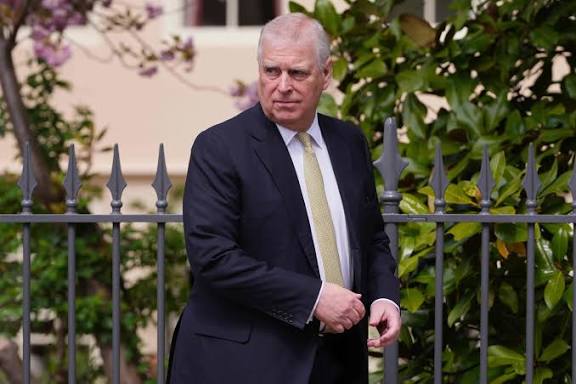
Queen Elizabeth II’s favorite son, Prince Andrew, lost his title and privileges after years of excesses and proven relationship with Jeffrey Epstein. Today we will discuss about Andrew Mountbatten-Windsor : royal scandal, Epstein links, UK crown crisis
Andrew Mountbatten-Windsor : royal scandal, Epstein links, UK crown crisis
Andrew Mountbatten-Windsor, formerly known to the world as Prince Andrew, Duke of York, stands at the center of one of the most damaging scandals in modern British royal history. Once a senior member of the House of Windsor and a favored son of Queen Elizabeth II, his name has become synonymous with controversy, legal settlements, and questions about royal accountability.
The fallout from his association with disgraced financier Jeffrey Epstein has not only altered Andrew’s personal standing but has also triggered a wider crisis for the British monarchy—forcing it to confront issues of privilege, transparency, and relevance in the 21st century.
This article explores Andrew Mountbatten-Windsor’s rise, the Epstein connection, allegations that followed, the institutional response, and how the scandal reshaped the UK Crown.
Early Life and Royal Ascendancy
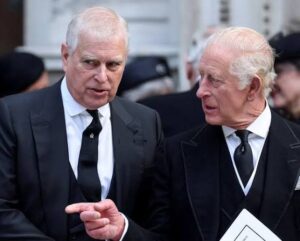
Born on 19 February 1960, Andrew was the second son of Queen Elizabeth II and Prince Philip. Unlike his elder brother Charles, who was groomed from birth to become king, Andrew enjoyed a comparatively relaxed upbringing that blended royal duty with personal freedom.
He joined the Royal Navy and later gained public admiration for his service during the Falklands War. His military role elevated his popularity, earning him a reputation as a capable officer and a relatable royal figure. For years, he was considered one of the monarchy’s strongest public assets.
Andrew later became Duke of York, held senior military appointments, and represented the UK in diplomatic and trade roles. At this stage, few could have predicted the dramatic fall that lay ahead.
A Pattern of Controversy Before Epstein
Even before the Epstein scandal emerged, Andrew was no stranger to criticism. His business dealings, close relationships with wealthy foreign figures, and taste for luxury drew skepticism from both the media and political observers.
His role as a trade envoy raised concerns about conflicts of interest, particularly when meetings overlapped with controversial regimes or private financial interests. Still, none of these issues significantly threatened his position—until his association with Jeffrey Epstein became public knowledge.
The Epstein Connection: A Defining Relationship
Andrew’s relationship with Jeffrey Epstein began in the late 1990s through shared elite social circles. Epstein, at the time, was a powerful financier with access to influential figures across politics, business, and royalty.
Even after Epstein’s first criminal conviction in 2008, Andrew continued to maintain contact with him—a decision that would later prove devastating. Public outrage intensified as evidence emerged that Andrew had remained socially connected to Epstein well beyond the point when severing ties would have been expected.
The nature of this relationship became central to public debate: why would a senior royal continue associating with a convicted sex offender? This unanswered question eroded trust in both Andrew and the institution he represented.
Virginia Giuffre and Abuse Allegations
The scandal escalated dramatically when Virginia Giuffre accused Andrew of sexually abusing her when she was a minor. She claimed she was trafficked by Epstein and forced into sexual encounters with powerful men, including Andrew.
Andrew denied all allegations, insisting he had no recollection of meeting Giuffre. However, photographs and witness statements contradicted aspects of his account, further damaging his credibility.
The allegations were not merely reputational; they carried legal consequences. Under U.S. civil law, Giuffre filed a lawsuit seeking accountability for the harm she claimed to have suffered.
The BBC Interview That Changed Everything
In 2019, Andrew attempted to defend himself in a televised interview intended to clear his name. Instead, the interview became one of the most criticized media appearances in royal history.
His explanations—particularly regarding his inability to sweat and his lack of empathy toward victims—were widely perceived as tone-deaf and implausible. Public reaction was swift and overwhelmingly negative.
Within days, Andrew stepped back from public duties, signaling that the monarchy understood the severity of the situation.
Settlement and Silent Admission
In 2022, Andrew reached an out-of-court settlement with Virginia Giuffre. While the agreement included no admission of guilt, many viewed the settlement as an implicit acknowledgment that the case posed serious risks.
The financial terms were reportedly substantial and contributed to the perception that wealth and status had enabled Andrew to avoid a public trial. Critics argued that the settlement reinforced longstanding concerns about unequal access to justice.
The Monarchy Responds: Damage Control and Distance
As pressure mounted, the royal family took increasingly decisive action. Andrew was stripped of military titles, royal patronages, and ceased using the style “His Royal Highness” in any official capacity.
These measures marked a turning point. For the first time in modern history, a senior royal was formally isolated to protect the institution itself.
Following Queen Elizabeth II’s death, King Charles III faced intense pressure to take a harder stance. Determined to modernize the monarchy and restore public trust, he went further than his predecessor.
Stripping of Titles and Royal Identity
Andrew Mountbatten-Windsor was ultimately stripped of his remaining royal titles and honors. The removal of the Duke of York title was unprecedented and symbolized a definitive break between Andrew and the monarchy.
Legally and symbolically, he ceased to be a working royal or representative of the Crown. He became, in effect, a private citizen with a royal surname but no institutional authority.
This move was widely interpreted as a necessary sacrifice to preserve the monarchy’s long-term legitimacy.
Eviction and Loss of Privilege
Andrew’s fall from grace extended beyond titles. He was required to vacate Royal Lodge, a large estate previously granted as part of his royal status. The move was seen as both practical and symbolic.
Relocated to a smaller residence, Andrew’s change in living conditions reinforced the message that royal privilege was no longer unconditional. Public funding and security arrangements were significantly reduced, further emphasizing his separation from official royal life.
Impact on the British Monarchy
The Andrew scandal forced the monarchy to confront uncomfortable truths about power, protection, and accountability. Public confidence had already been strained by debates over relevance and transparency, and this crisis intensified those concerns.
Supporters of reform argue that the monarchy’s survival depends on clear ethical boundaries and equal standards. Critics counter that the institution moved too slowly and protected Andrew for too long.
Regardless of perspective, the episode reshaped how the monarchy operates—and how it is judged by the public.
Political and Public Reaction
Members of Parliament, advocacy groups, and civil society organizations used the scandal to call for reforms, including mechanisms to remove royal titles through parliamentary oversight.
Public opinion shifted decisively against Andrew. Polls showed overwhelming support for stripping his titles and removing him from royal life entirely.
For many, the case became a symbol of broader inequality—where wealth and status appeared to shield individuals from full accountability.
Media, Memory, and Reputation
Media coverage of Andrew Mountbatten-Windsor has remained intense, even years after his withdrawal from public duties. Each new document release or testimony related to Epstein renews scrutiny.
Unlike other royal controversies that fade with time, Andrew’s name remains permanently linked to Epstein’s crimes—a reputational burden unlikely to disappear.
Life After the Crown
Today, Andrew lives largely out of public view. He holds no official role, performs no duties, and has no formal influence within the monarchy.
Speculation continues about potential future legal exposure or compelled testimony should international investigations progress further. For now, his life is defined by isolation and the enduring shadow of scandal.
Conclusion: A Cautionary Tale for Modern Royalty
The downfall of Andrew Mountbatten-Windsor represents one of the most significant crises the British monarchy has faced in decades. It exposed vulnerabilities within an ancient institution struggling to adapt to modern standards of accountability.
What began as a personal scandal evolved into a constitutional and moral reckoning—forcing the Crown to choose between loyalty and legitimacy.
As the monarchy moves forward, Andrew’s story will remain a stark reminder that even royal blood is no longer enough to shield against public judgment in a changing world.
How useful was this post?
Click on a star to rate it!
Average rating 0 / 5. Vote count: 0
No votes so far! Be the first to rate this post.
About the Author

usa5911.com
Administrator
Hi, I’m Gurdeep Singh, a professional content writer from India with over 3 years of experience in the field. I specialize in covering U.S. politics, delivering timely and engaging content tailored specifically for an American audience. Along with my dedicated team, we track and report on all the latest political trends, news, and in-depth analysis shaping the United States today. Our goal is to provide clear, factual, and compelling content that keeps readers informed and engaged with the ever-changing political landscape.