Jerome Powell Spotlight: Fed Rate Decision, Market Pressure, America Reacts
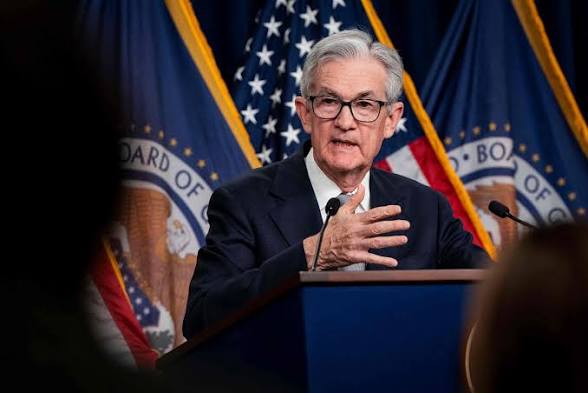
Jerome Powell has once again become one of the most discussed figures in American finance and politics. As the Federal Reserve faces growing pressure over inflation, interest rates, and economic uncertainty, Powell’s latest comments and policy decisions are driving intense reactions across Wall Street, Washington, and Main Street America.
The Federal Reserve’s recent decision to keep interest rates unchanged has sparked a nationwide debate about inflation control, economic growth, and the future direction of monetary policy. Investors, business owners, and consumers are all watching closely as concerns about rising prices, global instability, and political pressure continue to build.
At the center of this discussion is Powell, whose leadership style and commitment to Federal Reserve independence have become major themes in the American economic story of 2026.
Why Jerome Powell Is Trending Again
Powell’s name surged across financial headlines after the Federal Reserve voted to hold its benchmark interest rate steady during its latest meeting. Reports indicate the Fed maintained rates in the 3.50% to 3.75% range while policymakers remained divided over whether inflation still poses a serious threat.
The debate inside the Fed reflects a broader national concern. Americans are dealing with higher prices for energy, housing, groceries, and borrowing costs. Meanwhile, financial markets are trying to determine whether the next move from the central bank will be a rate cut, another pause, or even a future hike.
Recent economic reports suggest inflation remains above the Federal Reserve’s long-term 2% target, forcing policymakers to remain cautious.
The Fed’s Latest Rate Decision Explained
The Federal Reserve uses interest rates as a tool to manage inflation and economic activity. When inflation rises too quickly, the Fed often raises rates to slow spending and borrowing. When the economy weakens, the Fed may lower rates to encourage growth.
In its latest meeting, officials decided not to cut rates despite growing political pressure and market expectations.
This decision signaled several important things:
- The Fed still believes inflation risks remain serious.
- Policymakers are worried about cutting too early.
- Economic growth has not slowed enough to justify aggressive easing.
- Labor market conditions remain relatively resilient.
Many analysts expected rate cuts earlier in the year, but changing inflation forecasts and rising energy prices shifted expectations dramatically.
Inflation Remains the Biggest Concern
One of Powell’s core challenges has been controlling inflation without causing a major recession.
The inflation spike that began earlier in the decade forced the Federal Reserve into one of its most aggressive tightening cycles in modern history. While inflation cooled from its peak, it has remained stubbornly elevated in 2026.
Higher oil prices, global tensions, and strong consumer demand continue to complicate the Fed’s mission. Financial firms including Bank of America and Goldman Sachs recently pushed back expectations for future rate cuts because inflation pressures are proving stronger than expected.
For American consumers, this means borrowing remains expensive:
- Mortgage rates stay elevated.
- Credit card interest remains high.
- Auto loans cost more.
- Business financing remains tighter.
At the same time, savers are benefiting from higher yields on savings accounts and fixed-income investments.
Wall Street Reacts to Powell’s Strategy
Financial markets have responded cautiously to Powell’s recent comments.
Investors initially hoped the Fed would begin cutting rates sooner to stimulate economic growth and boost stocks. However, Powell’s continued focus on inflation has changed market sentiment significantly.
Some traders now believe the Fed could keep rates elevated much longer than previously expected. Others even fear another rate increase could happen if inflation worsens.
The stock market reaction has been mixed:
- Technology stocks remain sensitive to interest rate expectations.
- Banks are watching bond market volatility closely.
- Energy and commodity sectors are responding to inflation concerns.
- Treasury yields remain under close observation.
Many economists argue Powell is prioritizing long-term economic stability over short-term market optimism.
Political Pressure on Jerome Powell
Powell is also facing enormous political scrutiny.
Former President Donald Trump has repeatedly criticized the Federal Reserve and pushed for lower interest rates. According to recent reports, tensions between Trump allies and Powell intensified during disputes over Fed policy and the institution’s independence.
The political debate surrounding the Fed has become increasingly intense because interest rates affect nearly every part of the economy:
- Consumer spending
- Housing affordability
- Business investment
- Employment
- Government borrowing costs
Critics argue the Fed kept rates high for too long. Supporters believe Powell’s cautious approach prevented inflation from spiraling further out of control.
Questions About Fed Independence
One of the biggest stories surrounding Powell in 2026 has been the broader debate over Federal Reserve independence.
The Fed has historically operated independently from direct political influence. Economists often argue this independence is essential for maintaining financial stability and investor confidence.
However, recent political conflicts involving Powell and investigations into the Federal Reserve increased concerns about whether political pressure could weaken the institution’s autonomy.
Several former Fed leaders publicly defended Powell and warned against efforts to politicize monetary policy. Analysts across global markets also emphasized that Fed independence remains critical for maintaining confidence in the U.S. economy.
America Reacts to the Fed’s Decisions
Public reaction to Powell remains sharply divided.
Some Americans believe the Fed acted responsibly by fighting inflation aggressively. Others argue the central bank’s policies made housing and everyday living costs harder for ordinary families.
Small business owners continue facing higher borrowing costs, while many younger Americans struggle with mortgage affordability.
Meanwhile, retirees and savers appreciate stronger returns from savings products after years of near-zero interest rates.
Social media reactions reflect these divisions:
- Some users praise Powell for defending the economy.
- Others accuse the Fed of slowing growth unnecessarily.
- Investors debate whether markets can rally without rate cuts.
- Political commentators continue arguing over Fed independence.
The intensity of the public discussion shows how deeply Federal Reserve policy now affects everyday American life.
Kevin Warsh and the Future of the Fed
Another major development involves Kevin Warsh, who has emerged as a key figure in discussions about the future leadership of the Federal Reserve.
Reports indicate Warsh is expected to play a major role in the next chapter of U.S. monetary policy.
Some analysts believe Warsh could take a different approach to rates and regulation. Others believe continuity inside the Fed will remain important given ongoing inflation concerns and global uncertainty.
Powell has reportedly signaled that he intends to remain involved with the Federal Reserve even after his term as chair concludes.
That decision has sparked further debate about institutional continuity and leadership transition within the central bank.
How Interest Rates Affect Everyday Americans
The Federal Reserve’s decisions are not just abstract financial news. They directly affect millions of households.
Housing Market
Higher interest rates mean mortgage payments remain elevated. This has slowed home sales and increased affordability challenges in many regions.
Credit Cards and Loans
Consumers carrying debt continue paying higher interest costs. Credit card rates remain historically elevated.
Savings Accounts
Savers are earning better returns on deposits and certificates of deposit compared to previous years.
Business Investment
Companies are becoming more cautious about borrowing and expansion due to higher financing costs.
Stock Market
Investors continue adjusting portfolios based on expectations for future Fed policy.
Because of these impacts, Powell’s comments during Fed press conferences often move markets within minutes.
Will the Fed Cut Rates Soon?
The biggest question now is whether the Federal Reserve will eventually begin cutting interest rates later in 2026 or wait longer.
Analysts remain divided.
Some believe slowing economic growth could force the Fed to ease policy eventually. Others argue inflation remains too persistent for meaningful cuts anytime soon.
Financial markets are closely monitoring:
- Inflation reports
- Employment data
- Consumer spending
- Oil prices
- Global geopolitical risks
Every new economic report now influences expectations for future Fed meetings.
The Federal Reserve’s official calendar confirms multiple scheduled meetings throughout the year where policymakers will reassess conditions and potentially change policy direction.
Jerome Powell’s Legacy
As Powell approaches the end of his chairmanship, debates about his long-term legacy are intensifying.
Supporters argue he successfully prevented inflation from becoming permanently entrenched while preserving economic stability during difficult global conditions.
Critics say the Fed reacted too slowly to inflation initially and later kept rates too high for too long.
Regardless of political opinion, Powell’s tenure will likely be remembered for several historic developments:
- Pandemic-era economic intervention
- Rapid inflation surge
- Aggressive rate hikes
- Market volatility
- Political pressure on the Fed
- Renewed debate over central bank independence
His leadership style — calm, measured, and cautious — became a defining characteristic during years of economic turbulence.
The Bottom Line
Jerome Powell remains one of the most influential figures in the global economy.
The Federal Reserve’s recent rate decision highlighted the difficult balancing act facing policymakers as they attempt to manage inflation without damaging economic growth. Markets, politicians, businesses, and consumers are all reacting differently to the Fed’s cautious approach.
With inflation still elevated, financial markets uncertain, and political pressure increasing, Powell’s final months as chair continue drawing enormous national attention.
The coming Fed meetings could shape everything from mortgage rates to stock market performance and consumer confidence. For millions of Americans, the decisions made by Powell and the Federal Reserve will continue influencing everyday financial life well into the future.
FAQs
Who is Jerome Powell?
Jerome Powell is the Chair of the Federal Reserve, the central bank of the United States. He has led the Fed since 2018.
What did the Federal Reserve decide recently?
The Federal Reserve recently decided to keep interest rates unchanged while continuing to monitor inflation and economic conditions.
Why are interest rates staying high?
Rates remain elevated because inflation is still above the Fed’s 2% target, and policymakers fear cutting too early could worsen price pressures.
How do Fed rate decisions affect consumers?
Fed decisions influence mortgage rates, credit cards, loans, savings accounts, and overall borrowing costs throughout the economy.
Is Jerome Powell leaving the Federal Reserve?
Powell’s term as chair is nearing its conclusion, but reports indicate he may remain on the Federal Reserve Board for a period afterward.
Who could replace Jerome Powell?
Kevin Warsh has emerged as a major figure in discussions about future Federal Reserve leadership.
How useful was this post?
Click on a star to rate it!
Average rating 0 / 5. Vote count: 0
No votes so far! Be the first to rate this post.
About the Author

usa5911.com
Administrator
Hi, I’m Gurdeep Singh, a professional content writer from India with over 3 years of experience in the field. I specialize in covering U.S. politics, delivering timely and engaging content tailored specifically for an American audience. Along with my dedicated team, we track and report on all the latest political trends, news, and in-depth analysis shaping the United States today. Our goal is to provide clear, factual, and compelling content that keeps readers informed and engaged with the ever-changing political landscape.