Local Election Results: Shock Wins, Power Shift, Parties React
The latest local election results have triggered a wave of political shockwaves across multiple regions, with surprise victories, major losses, and unexpected party gains redefining the political map. From dramatic council takeovers in the United Kingdom to regional breakthroughs in India and beyond, voters have sent a clear message: political loyalties are shifting rapidly.
Across England, Wales, India, and several international regions, ruling parties faced strong resistance while emerging movements and smaller parties capitalized on voter frustration. Political analysts are already calling these elections one of the most significant indicators of changing public mood ahead of future national contests.
The local election results are not just about councils and municipalities anymore. They are increasingly viewed as political barometers that reveal voter sentiment on inflation, public services, immigration, governance, taxation, and leadership credibility.
Shock Wins Dominate Headlines
One of the biggest stories came from the UK, where Nigel Farage celebrated a “historic shift” after Reform UK made significant gains in local councils traditionally controlled by Labour and Conservatives.
Reform UK secured control of several councils, including Newcastle-under-Lyme, in what many analysts described as a political earthquake.
The results stunned political observers because many of these areas had remained loyal to major parties for decades. Instead, voters backed outsider candidates promising change, lower bureaucracy, tougher immigration policies, and anti-establishment reforms.
Meanwhile, Labour suffered difficult setbacks in several areas despite attempts to regain momentum nationally. Conservative leaders also faced criticism after losing hundreds of seats across local authorities.
The local election results quickly became the dominant political story online, with social media flooded by reactions from voters, journalists, and political commentators.
Why Voters Are Turning Away from Traditional Parties
Several factors contributed to the dramatic shifts seen in the local election results.
Cost of Living Pressure
Rising prices, inflation concerns, housing affordability, and public service frustration heavily influenced voter behavior. Many citizens used local elections as an opportunity to protest national leadership.
Anti-Establishment Sentiment
Voters increasingly supported parties positioning themselves against the political establishment. This trend was especially visible in England, where Reform UK gained support in economically struggling communities.
Declining Trust in Major Parties
Many traditional party supporters expressed disappointment with leadership performance, campaign messaging, and policy delivery. Online discussions reflected frustration with both major governing and opposition parties.
Local Issues Matter More Than Ever
In municipal and council elections, hyper-local concerns often outweigh national ideology. Road maintenance, crime, schools, public transportation, and council taxes became decisive issues in many constituencies.
Reform UK Emerges as Major Force
One of the defining themes of these local election results is the rise of Reform UK.
The party achieved dramatic breakthroughs across multiple councils and significantly increased its seat count. Political analysts now believe Reform UK could become a serious factor in future parliamentary elections.
According to projections based on local election performance, Reform UK even led nationwide equivalent vote estimates in some analyses.
In Newcastle-under-Lyme, Reform UK captured 27 seats and secured overall council control, ending Conservative dominance in the region.
Supporters described the results as proof that voters are searching for alternatives outside the traditional two-party structure.
Critics, however, warned that protest voting may not always translate into long-term governance success.
Labour Faces Difficult Questions
The local election results also triggered internal debate within the Labour Party.
Several Labour figures expressed concern that the party failed to energize voters in critical regions. Some MPs publicly questioned campaign strategy and messaging after disappointing performances.
While Labour retained strength in some urban centers, losses in historically safe areas created alarm among party strategists.
Analysts believe Labour now faces a major challenge:
- Rebuild trust among working-class voters
- Prevent vote splitting with Greens
- Respond to rising Reform UK influence
- Improve turnout among younger supporters
The party’s leadership insists national elections remain a different contest, but the local election results clearly revealed vulnerabilities.
Conservatives Attempt Damage Control
The Conservative Party also faced heavy scrutiny after major seat losses.
Party leader Kemi Badenoch argued the Conservatives were “coming back” despite losing significant ground nationally.
Some Tory strongholds survived Reform UK challenges, but many councils changed hands after frustrated voters abandoned traditional Conservative candidates.
Political experts warned that the Conservative Party risks losing more support if internal divisions continue.
The election results exposed a growing fragmentation of center-right politics, especially in England.
Green Party and Liberal Democrats Gain Momentum
Beyond Reform UK, smaller parties also benefited from voter dissatisfaction.
The Green Party made historic gains in multiple areas, especially in Manchester and urban regions.
Many younger voters appeared attracted to Green policies focused on climate, housing, and local accountability.
The Liberal Democrats also improved performances in selected councils, benefiting from tactical voting and dissatisfaction with larger parties.
The combined rise of Greens, Reform UK, and Liberal Democrats suggests that multi-party politics is becoming more influential at the local level.
India’s Local and Regional Elections Reflect Similar Trends
The trend of political shifts was not limited to Europe.
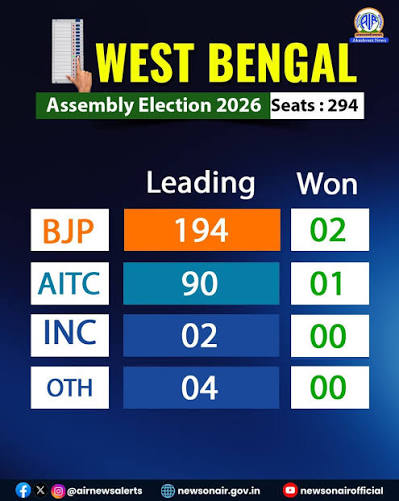
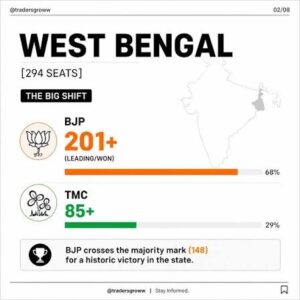
In India, several local and regional election outcomes also reflected changing voter priorities.
The BJP achieved major victories in Gujarat local body elections, sweeping municipal corporations and expanding its dominance.
Meanwhile, Congress-led alliances achieved important breakthroughs in Kerala and Telangana municipal contests.
The Telangana civic polls revealed substantial gains for Congress while BJP continued expanding its urban footprint.
Political analysts in India say local elections increasingly serve as testing grounds for future state and parliamentary contests.
Social Media Explodes After Results
Online reactions became one of the defining aspects of the local election cycle.
Across platforms like Reddit, X, Facebook, and TikTok, voters shared strong opinions about the results. Some celebrated the collapse of traditional political dominance, while others expressed concern about growing polarization.
Trending political hashtags quickly emerged as counting continued overnight.
Many viral posts focused on:
- Shock council losses
- Reform UK gains
- Labour setbacks
- Green Party breakthroughs
- Tactical voting debates
- Low voter turnout concerns
Political memes, live result maps, and viral reaction clips drove enormous engagement online.
What These Election Results Mean for the Future
The local election results could have serious long-term implications.
National Elections Could Become More Competitive
The growing strength of smaller parties may create more fragmented future elections. Major parties may struggle to secure dominant majorities.
Coalition Politics Could Expand
As local councils become more politically divided, coalition arrangements may become increasingly common.
Campaign Strategies Will Change
Parties are likely to focus more on local concerns rather than relying solely on national leadership branding.
Voter Volatility Is Increasing
Modern voters appear more willing to switch political allegiance between elections, creating unpredictable outcomes.
Political Analysts Warn Against Ignoring the Message
Several analysts say mainstream parties underestimate the importance of local election trends at their own risk.
Historically, local elections often preview broader national shifts. When voters repeatedly abandon traditional parties in municipal contests, parliamentary consequences may follow later.
Political commentators highlighted that dissatisfaction with governance, economic anxiety, and distrust of elites are reshaping democratic politics worldwide.
The rise of outsider movements and local-focused campaigns reflects a broader global pattern seen in multiple democracies.
Key Takeaways From the Local Election Results
Here are the biggest lessons from the latest elections:
- Voters are increasingly rejecting traditional political loyalty
- Smaller parties are becoming major political players
- Economic frustration heavily influenced voting behavior
- Reform UK achieved historic breakthroughs
- Labour and Conservatives both faced pressure
- Greens and Liberal Democrats gained momentum
- Social media amplified political reactions dramatically
- Local elections now carry major national significance
Could These Results Change National Politics?
Many observers believe the answer is yes.
The local election results have already intensified debates about leadership, strategy, and party identity.
In the UK especially, analysts now believe the next general election could become one of the most unpredictable in modern history.
If current trends continue, voters may continue shifting toward parties that position themselves as alternatives to the political mainstream.
That possibility has created growing concern inside both Labour and Conservative circles.
Public Reaction Remains Divided
While some voters celebrated the results as democratic accountability in action, others warned that fragmented politics can create instability.
Supporters of emerging parties argue the elections prove democracy is evolving and voters want genuine alternatives.
Critics worry that rising populism and polarization could make governance more difficult in the years ahead.
Either way, the message from voters was impossible to ignore.
The political landscape is changing rapidly.
And these local election results may only be the beginning.
FAQs
What are local election results?
Local election results determine which political parties or candidates control municipal councils, local governments, boroughs, and regional authorities.
Why are local elections important?
Local elections influence public services, infrastructure, taxes, transportation, education, and local governance. They also reveal national political trends.
Which party gained the most attention in recent local elections?
Reform UK gained major attention after winning significant council seats and securing control of multiple councils.
Did Labour lose support in the local elections?
Labour experienced setbacks in several areas and faced criticism over campaign strategy after disappointing performances in key councils.
How did Conservatives perform?
The Conservatives lost many seats but retained control in some important regions. Party leaders attempted to frame the results positively despite heavy losses.
Why are voters shifting toward smaller parties?
Many voters are frustrated with traditional politics, economic conditions, and leadership performance, leading to growing support for alternative parties.
Did social media influence the elections?
Yes. Social media platforms played a major role in spreading reactions, live updates, political debates, and viral campaign moments.
Could local election results affect future national elections?
Absolutely. Local elections often serve as indicators of voter mood ahead of parliamentary or national elections.
How useful was this post?
Click on a star to rate it!
Average rating 0 / 5. Vote count: 0
No votes so far! Be the first to rate this post.
About the Author

usa5911.com
Administrator
Hi, I’m Gurdeep Singh, a professional content writer from India with over 3 years of experience in the field. I specialize in covering U.S. politics, delivering timely and engaging content tailored specifically for an American audience. Along with my dedicated team, we track and report on all the latest political trends, news, and in-depth analysis shaping the United States today. Our goal is to provide clear, factual, and compelling content that keeps readers informed and engaged with the ever-changing political landscape.