Alito in Focus: SCOTUS Decision Impact, Legal Debate, Nation Watches
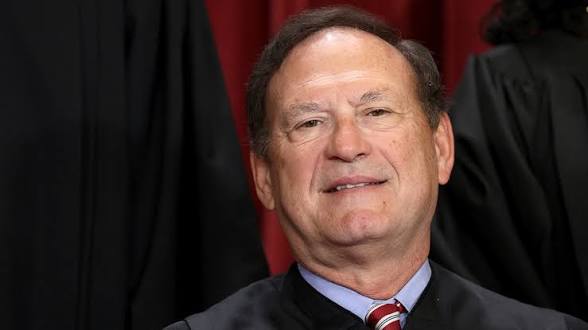
In recent weeks, Samuel Alito has become one of the most talked-about figures in American law and politics. As a senior justice on the Supreme Court of the United States, Alito’s opinions and procedural decisions are shaping not only legal precedent but also the broader political landscape ahead of crucial elections.
From voting rights rulings to emergency interventions in abortion-related cases, Alito’s influence is drawing intense scrutiny. Supporters argue he is defending constitutional principles, while critics warn his decisions may reshape democracy itself. The nation is watching closely—and the debate is only intensifying.
Who Is Samuel Alito? A Quick Background
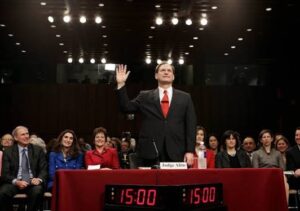
Justice Samuel Alito has served on the Supreme Court since 2006, appointed by President George W. Bush. Known for his conservative judicial philosophy, Alito often emphasizes textual interpretation of the Constitution and skepticism toward expansive federal power.
Over the years, he has played a key role in several landmark rulings. However, his recent decisions—particularly in 2026—have thrust him into the center of a heated national conversation.
The Landmark Voting Rights Decision
One of the most significant developments involves the Supreme Court’s ruling in Louisiana v. Callais. In this case, the Court, with Alito writing the majority opinion, addressed how race can be used in drawing electoral districts.
The ruling effectively tightened the standards for proving racial discrimination in voting maps, shifting focus toward requiring evidence of intentional discrimination rather than just unequal outcomes.
Key Takeaways of the Decision
- States are not required to create majority-minority districts unless clearly justified
- Plaintiffs must show intentional discrimination, not just disproportionate impact
- The ruling limits the reach of the Voting Rights Act of 1965
Critics argue this interpretation weakens protections for minority voters. Supporters counter that it prevents race from dominating political decision-making.
Impact on Elections and Redistricting
The consequences of the decision were immediate. States like Louisiana moved quickly to redraw congressional maps ahead of upcoming elections.
In an unusual procedural move, the Court—again with Alito’s involvement—fast-tracked implementation of the ruling, bypassing the typical waiting period.
Why This Matters
- Could shift political power balance in Congress
- Opens the door to more aggressive partisan redistricting
- Raises concerns about judicial intervention in election timing
This rare acceleration of a ruling has intensified debate about whether the Court is maintaining neutrality or influencing political outcomes.
Clash Inside the Supreme Court
The internal divisions within the Court have become increasingly visible. Justice Ketanji Brown Jackson strongly criticized the expedited decision, calling it a departure from standard procedures.
Alito responded sharply, defending the Court’s actions and rejecting claims of bias.
This public exchange highlights a deeper ideological divide:
- Conservative justices emphasize constitutional limits and judicial restraint
- Liberal justices stress civil rights protections and procedural fairness
Such open disagreements are rare and signal growing tension within the nation’s highest court.
Abortion Case: A Temporary but Significant Move
Another major development came when Alito issued a temporary order restoring access to the abortion pill mifepristone nationwide.
This decision paused a lower court ruling that would have restricted access, especially through mail delivery.
Why This Decision Is Important
- Maintains status quo access to a widely used medication
- Highlights ongoing legal battles post-Roe v. Wade overturn
- Shows Alito’s role is not always predictable, even within a conservative framework
While temporary, the move underscores how quickly legal landscapes can shift under Supreme Court intervention.
Legal Debate: Constitution vs. Civil Rights
At the heart of the controversy is a fundamental legal question:
Should the Constitution prioritize race-neutral policies, or actively address historical inequalities?
Alito’s Perspective
- Emphasizes equal protection under the law
- Argues race-based decisions risk violating constitutional principles
- Supports a color-blind interpretation of the Constitution
Critics’ Perspective
- Warn that ignoring race can entrench inequality
- Argue the Voting Rights Act was designed to address systemic discrimination
- Fear reduced protections for minority voters
Legal scholars say this debate could define constitutional law for decades.
Political Reactions Across the Nation
The response to Alito’s rulings has been swift and polarized.
Supporters Say
- The Court is restoring constitutional boundaries
- Decisions prevent overreach in race-based policymaking
- States should have more control over elections
Critics Say
- The rulings weaken civil rights protections
- Could reduce representation for minority communities
- Risk increasing partisan manipulation of districts
Political leaders, advocacy groups, and voters are all weighing in—making this not just a legal issue, but a national political flashpoint.
Long-Term Implications
The ripple effects of these decisions could extend far beyond 2026.
Potential Outcomes
- Increased legal challenges over election laws
- Redrawing of political maps nationwide
- Further polarization in the judiciary
- Greater scrutiny of Supreme Court ethics and procedures
Some experts argue the Court is entering a transformative era—one where its decisions will have more visible and immediate political consequences than ever before.
Why the Nation Is Watching Closely
Justice Alito’s role in recent rulings has elevated him to a central figure in America’s legal and political discourse.
His decisions:
- Shape how democracy functions
- Influence election outcomes
- Define the balance between equality and fairness
Whether viewed as a defender of constitutional principles or a catalyst for controversy, Alito’s impact is undeniable.
Conclusion
The spotlight on Samuel Alito reflects a broader moment of change within the Supreme Court. As landmark decisions reshape voting rights, redistricting, and reproductive policy, the stakes could not be higher.
The legal debates sparked by these rulings go beyond courtrooms—they touch on the very foundations of democracy. With elections approaching and political tensions rising, the nation continues to watch closely.
One thing is certain: the influence of Justice Alito and the Supreme Court will remain at the center of America’s most important conversations.
FAQs
1. Why is Samuel Alito in the news?
He is central to recent Supreme Court decisions on voting rights, redistricting, and abortion access that have sparked national debate.
2. What was the key ruling in Louisiana v. Callais?
The Court limited how race can be used in redistricting and raised the standard for proving discrimination.
3. How does this affect elections?
It could lead to new congressional maps, potentially changing political power balances.
4. What was Alito’s role in the abortion pill case?
He issued a temporary order preserving nationwide access to mifepristone.
5. Why are critics concerned?
They argue the rulings weaken civil rights protections and could reduce minority representation.
6. What happens next?
More legal challenges and political debates are expected as states implement changes.
How useful was this post?
Click on a star to rate it!
Average rating 0 / 5. Vote count: 0
No votes so far! Be the first to rate this post.
About the Author

usa5911.com
Administrator
Hi, I’m Gurdeep Singh, a professional content writer from India with over 3 years of experience in the field. I specialize in covering U.S. politics, delivering timely and engaging content tailored specifically for an American audience. Along with my dedicated team, we track and report on all the latest political trends, news, and in-depth analysis shaping the United States today. Our goal is to provide clear, factual, and compelling content that keeps readers informed and engaged with the ever-changing political landscape.