Trump Post-Poll Reaction: ABC-Ipsos Results Drop, Approval Battle, US Reacts
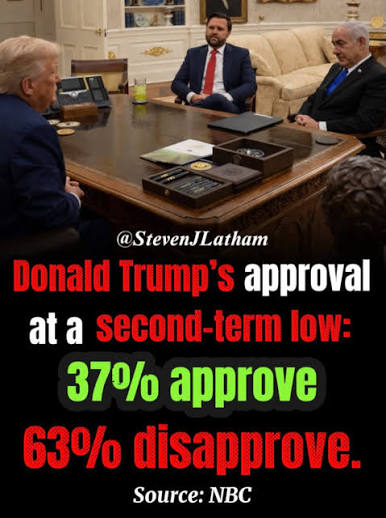
The latest polling data from the ABC News/Washington Post/Ipsos survey has ignited fresh political debate across the United States. Donald Trump is once again at the center of a national conversation—this time due to declining approval ratings, rising disapproval, and a shifting political landscape ahead of the 2026 midterm elections.
The numbers are not just statistics—they reflect voter sentiment on inflation, foreign policy, leadership style, and trust. With reactions pouring in from political leaders, analysts, and the public, the Trump post-poll reaction has become a defining moment in the current political cycle.
This article breaks down the ABC-Ipsos results, Trump’s response, public opinion trends, and what it all means for America’s political future.
ABC-Ipsos Poll Results: What the Numbers Show
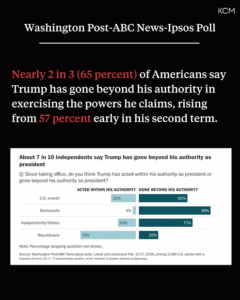
The headline figures from the latest ABC-Ipsos poll paint a challenging picture for Trump:
- Approval rating: Around 37%–39%
- Disapproval rating: As high as 62%, a record high for his current term
- Economic approval: Roughly mid-30% range
- Inflation handling approval: As low as 27%
The data highlights a widening gap between Trump and large sections of the electorate, especially independents.
Key Issue Breakdown
- Inflation & cost of living: Among the lowest approval areas
- Foreign policy (Iran conflict): Broad public dissatisfaction
- Immigration: One of Trump’s relatively stronger areas
- Leadership trust metrics: Majority question honesty and decision-making
These findings suggest that economic pressure and global tensions are shaping voter attitudes more than traditional partisan loyalty.
Trump’s Reaction to the Poll
Trump’s response to unfavorable polling has followed a familiar pattern—dismissal, defiance, and reframing.
Key Themes in Trump’s Reaction
- Questioning Poll Credibility
Trump and his allies often challenge polling organizations, arguing bias or flawed methodology. - Doubling Down on Policy
Rather than shifting direction, Trump has continued to defend his economic and foreign policies, particularly his stance on Iran. - Appealing to Core Supporters
Despite broader disapproval, Trump retains strong backing among Republican voters—often above 70% - Campaign Framing
The narrative is increasingly being framed as a battle between Trump’s agenda and Democratic opposition.
As analysts note, poor polling historically does not push Trump to retreat—instead, it often leads to a more aggressive political stance.
Public Reaction Across the United States
The release of the ABC-Ipsos poll triggered widespread reaction across political and social spheres.
Among Democrats
- Increased enthusiasm for the 2026 elections
- Growing confidence in economic messaging
- Strong criticism of Trump’s foreign policy decisions
Among Republicans
- Continued loyalty to Trump
- Concerns about electability in swing districts
- Mixed views on economic performance
Among Independents
- The most significant shift away from Trump
- Key factor in declining overall approval
Polling shows that 79% of Democrats view the upcoming election as highly important, compared to about 52% of Republicans
This enthusiasm gap could be decisive.
The Role of the Economy in Approval Ratings
Economic concerns remain the biggest driver behind Trump’s declining approval.
Inflation and Cost of Living
- Only about 22–27% approve of Trump’s handling of inflation
- Rising fuel costs and global instability have added pressure
- Majority of Americans believe the country is on the “wrong track”
Even though inflation rates are relatively moderate, public perception remains negative, which is often more politically impactful than actual data.
Foreign Policy Impact: The Iran Factor
One of the biggest contributors to Trump’s declining approval is the ongoing conflict involving Iran.
- Only about one-third of Americans support the military action
- Many fear economic consequences and global instability
- A majority believe the war may increase recession risks
Some polls compare public disapproval levels to historical conflicts like Iraq and Vietnam, signaling deep unease.
Trust, Leadership, and Personal Ratings
Beyond policy, personal perceptions of Trump are shaping approval ratings.
Key Findings
- Around 70% question his honesty
- Majority doubt his decision-making ability
- Concerns about leadership strength and fitness remain significant
These factors contribute to a broader narrative problem that goes beyond individual policy issues.
Political Implications for 2026
The ABC-Ipsos poll is not just a snapshot—it has real electoral consequences.
Key Takeaways
- Democrats gaining momentum on economic trust
- Republicans facing internal pressure over strategy
- Swing voters becoming decisive
The poll suggests that the Republican Party could face a difficult electoral map if current trends continue
Media and Expert Analysis
Political analysts across major networks have described the polling as “grim” and historically significant.
- Trump’s inflation approval gap is among the worst recorded
- Approval ratings are approaching record lows for modern presidents
- Analysts emphasize the importance of independent voters
Despite this, experts caution that polling is fluid and can shift rapidly.
Can Trump Recover?
History shows that political fortunes can change quickly.
Factors That Could Help Trump
- Economic improvement
- De-escalation of global conflicts
- Strong campaign messaging
Challenges Ahead
- Persistent inflation concerns
- Trust deficit among voters
- Energized opposition
Trump’s political resilience has been proven before—but the current environment presents new challenges.
Social Media and Public Sentiment
Online platforms have amplified reactions to the poll.
Trending Themes
- Debate over poll accuracy
- Strong partisan divides
- Increased political engagement
Supporters argue the polls underestimate Trump, while critics see them as confirmation of broader dissatisfaction.
Conclusion
The Trump post-poll reaction to the ABC-Ipsos results marks a critical moment in the 2026 political cycle. With approval ratings under pressure and disapproval at record highs, the data reflects deeper concerns about the economy, leadership, and global strategy.
Yet, American politics remains unpredictable. Trump’s ability to mobilize his base and reshape the narrative will determine whether these numbers represent a temporary dip—or a lasting shift in voter sentiment.
FAQs
1. What is Trump’s current approval rating?
Recent polls show Trump’s approval rating around 37%–39%, with disapproval reaching about 62%.
2. Why are Trump’s approval ratings declining?
Key reasons include inflation concerns, dissatisfaction with foreign policy, and questions about leadership and trust.
3. What is the ABC-Ipsos poll?
It is a major national survey conducted by ABC News, The Washington Post, and Ipsos, widely used to measure U.S. public opinion.
4. How are voters reacting to the poll?
Democrats show increased enthusiasm, Republicans remain loyal but cautious, and independents are shifting away from Trump.
5. Will this affect the 2026 elections?
Yes, polling trends suggest potential challenges for Republicans, especially in competitive districts.
6. Can Trump’s approval ratings improve?
Yes, improvements in the economy or foreign policy outcomes could shift public opinion, but challenges remain significant.
How useful was this post?
Click on a star to rate it!
Average rating 0 / 5. Vote count: 0
No votes so far! Be the first to rate this post.
About the Author

usa5911.com
Administrator
Hi, I’m Gurdeep Singh, a professional content writer from India with over 3 years of experience in the field. I specialize in covering U.S. politics, delivering timely and engaging content tailored specifically for an American audience. Along with my dedicated team, we track and report on all the latest political trends, news, and in-depth analysis shaping the United States today. Our goal is to provide clear, factual, and compelling content that keeps readers informed and engaged with the ever-changing political landscape.