Border Detention Battle: Trump Policy Challenged, Legal Showdown

The United States is witnessing one of the most intense legal confrontations over immigration in decades. The border detention battle involving the Trump administration has sparked courtroom showdowns, political debate, and global scrutiny. Judges, lawmakers, and advocacy groups are clashing over the legality of detention practices, asylum limits, and executive authority.
Recent rulings by federal appeals courts have challenged key aspects of immigration detention policies introduced during 2025–2026, setting the stage for potential Supreme Court intervention. These decisions could redefine how the United States balances national security, immigration enforcement, and constitutional protections.
This article explores the background, legal disputes, political reactions, and possible future outcomes of the ongoing border detention battle.
Understanding the Border Detention Policy
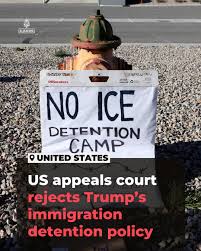
The border detention policy at the center of this legal showdown originated during renewed immigration enforcement initiatives introduced after the 2025 presidential transition. The administration argued that stricter detention practices were necessary to control unauthorized migration and deter illegal entry.
Key Features of the Policy
Several core elements defined the detention framework:
- Mandatory detention for many migrants without immediate bond hearings
- Restrictions on asylum eligibility
- Expanded authority for federal agencies
- Increased use of expedited removal procedures
The administration framed these policies as essential to restoring control over the U.S. border system. Critics, however, argued that the rules undermined long-standing protections guaranteed under federal law.
Legal scholars noted that limiting bond access dramatically changed the structure of immigration enforcement. Historically, many migrants were allowed bond hearings, especially if they had no criminal history. But under the new rules, detention without bond became more common.
These changes triggered thousands of legal challenges nationwide.
Courts Step In: Major Legal Challenges
Federal courts quickly became the battleground for disputes over the legality of detention policies. Lawsuits filed by advocacy groups and detainees focused on constitutional protections such as due process.
Appeals Court Ruling on Bond Hearings
One of the most significant developments occurred when a federal appeals court ruled that mandatory detention without bond hearings violated constitutional protections. Judges concluded that denying hearings to large numbers of migrants misinterpreted immigration law.
The ruling created a legal split between appellate courts, making Supreme Court review increasingly likely.
Asylum Restrictions Blocked
Another major decision involved asylum access. A federal appeals court blocked efforts to suspend asylum rights, stating that immigration law does not permit blanket denial of asylum applications.
Judges emphasized that migrants physically present in the United States retain the right to apply for asylum, even if they entered unlawfully.
This ruling marked a major setback for immigration restrictions and strengthened legal protections for asylum seekers.
Supreme Court Showdown Looms
The legal conflict is now moving toward the highest court in the United States.
Temporary Protected Status Case
A separate but related case involves the termination of Temporary Protected Status (TPS) for migrants from countries facing crises. The Supreme Court heard arguments regarding the administration’s authority to end TPS protections affecting hundreds of thousands of individuals.
Supporters argue that immigration policy decisions belong primarily to the executive branch. Opponents contend that such actions must follow proper legal procedures.
Why the Supreme Court Matters
A Supreme Court decision could:
- Set nationwide rules for detention practices
- Clarify presidential authority over immigration
- Determine judicial oversight limits
- Impact millions of migrants
Legal analysts expect the ruling to shape immigration law for decades.
Political Fallout and Public Reaction
The border detention battle has triggered sharp political reactions across the United States.
Support from Immigration Enforcement Advocates
Supporters of strict enforcement believe tougher detention rules are necessary to deter illegal crossings. They argue that lenient policies encourage migrants to attempt entry without authorization.
Officials defending the policy maintain that strong enforcement reduces border pressure and improves national security.
Opposition from Civil Rights Groups
Civil rights organizations strongly oppose detention without bond hearings. Many groups claim that such practices violate constitutional protections and place vulnerable migrants at risk.
Advocates welcomed recent court rulings as victories for due process. They argued that detention should not occur without legal review.
Some lawmakers also criticized detention conditions, calling for increased oversight of federal facilities.
The Human Impact of Detention Policies
Beyond legal arguments, detention policies have direct consequences for families and individuals.
Growing Number of Legal Petitions
The number of legal challenges filed by detained migrants has surged dramatically. Analysts report tens of thousands of petitions seeking bond hearings or release.
Many detainees argue that prolonged detention without hearings creates financial and emotional hardship.
Family Separation Concerns
Immigration detention often leads to prolonged family separation. Critics warn that these disruptions can have long-term psychological effects, especially on children.
Human rights groups highlight cases involving migrants with no criminal history held for extended periods.
These concerns have intensified public scrutiny of detention practices.
Historical Context: Immigration Battles in U.S. Courts
The current legal conflict is not the first time U.S. immigration policies have faced court challenges.
Previous Legal Disputes
Historically, immigration policies have often been contested in federal courts. From travel restrictions to asylum rules, judges have frequently ruled on the limits of executive authority.
Legal experts note that courts play a crucial role in balancing immigration enforcement with constitutional protections.
Patterns of Judicial Review
Over time, courts have established that:
- Immigration laws must comply with constitutional safeguards
- Executive actions are subject to legal review
- Detention policies require statutory justification
These principles continue to shape modern immigration disputes.
Impact on Border Security Strategies
The outcome of the border detention battle could significantly influence national security policies.
Enforcement Agencies Under Pressure
Federal agencies responsible for immigration enforcement face mounting pressure to comply with court orders while maintaining operational effectiveness.
Court rulings may force agencies to revise detention procedures, allocate additional resources, and provide more legal hearings.
Policy Adjustments Likely
Experts predict that detention strategies may shift toward:
- Increased use of alternatives to detention
- Expanded immigration court capacity
- Greater reliance on supervised release programs
Such changes could reshape border enforcement nationwide.
Economic and Administrative Consequences
Legal battles over detention policies also carry financial and logistical implications.
Rising Costs of Detention
Operating detention facilities requires significant funding. Legal disputes and policy changes increase administrative costs, including legal representation and facility maintenance.
Budget pressures have prompted calls for more cost-effective alternatives.
Court System Overload
Immigration courts already face heavy caseloads. The surge in detention-related petitions has strained judicial resources.
Judges must balance the need for swift decisions with fair legal review.
International and Diplomatic Implications
The border detention battle has drawn attention beyond U.S. borders.
Global Reactions
International organizations have expressed concern over detention practices and asylum restrictions.
Foreign governments closely monitor immigration policy changes, especially when their citizens are affected.
Diplomatic Relationships
Immigration disputes can influence diplomatic ties, particularly with neighboring countries and regions experiencing migration flows.
Cooperative agreements between governments may become necessary to manage migration pressures.
What Happens Next? Possible Scenarios
The future of the border detention battle remains uncertain, but several outcomes are possible.
Scenario 1: Supreme Court Upholds Policies
If the Supreme Court supports detention rules:
- Mandatory detention could expand nationwide
- Executive authority over immigration would strengthen
- Legal challenges may decline
Supporters view this outcome as reinforcing border control.
Scenario 2: Supreme Court Strikes Down Policies
If the Court rules against detention policies:
- Bond hearings may become mandatory
- Asylum protections could expand
- Federal agencies may revise enforcement strategies
Advocates see this as a victory for constitutional rights.
Scenario 3: Mixed Decision
A partial ruling could allow certain policies while blocking others.
This outcome is considered the most likely scenario by legal analysts.
Why This Legal Battle Matters
The border detention battle is about more than immigration policy—it reflects broader constitutional questions.
Core Issues at Stake
Key legal principles include:
- Due process rights
- Executive authority limits
- Judicial oversight powers
- Humanitarian protections
The resolution of these issues will influence future policymaking across multiple sectors.
The Broader Immigration Policy Landscape
The detention dispute is part of a larger immigration policy transformation.
Expansion of Enforcement Programs
Recent years have seen increased enforcement activity, including expanded detention authority and new removal procedures.
These measures aim to streamline immigration processes but have raised legal and ethical concerns.
Role of State Governments
Some states have introduced independent immigration enforcement laws, further complicating the national policy landscape.
Conflicts between federal and state authority remain unresolved.
Media Coverage and Public Awareness
News coverage has played a crucial role in shaping public understanding of the border detention battle.
Recent headlines highlight ongoing court rulings, legal disputes, and Supreme Court hearings that could redefine immigration law.
Public awareness continues to grow as media outlets report on legal developments and human impact stories.
Conclusion
The Border Detention Battle: Trump Policy Challenged, Legal Showdown represents one of the most consequential immigration disputes in modern U.S. history. With federal courts issuing conflicting rulings and the Supreme Court preparing to weigh in, the stakes could not be higher.
The outcome will determine how the United States balances enforcement with constitutional rights, shaping immigration policy for years to come. As legal arguments unfold, the nation—and the world—waits for a decision that could redefine the future of border detention.
FAQs
1. What is the Trump border detention policy?
The policy refers to immigration rules that expanded detention authority, limited bond hearings, and restricted asylum access for certain migrants entering or residing in the United States.
2. Why are courts challenging the policy?
Courts argue that denying bond hearings and asylum access may violate constitutional protections and misinterpret federal immigration law.
3. Could the Supreme Court overturn these policies?
Yes. The Supreme Court is expected to review multiple cases that could either uphold or strike down parts of the detention framework.
4. How many migrants are affected?
Millions of migrants could be impacted by detention and asylum policy changes, especially those awaiting legal review.
5. What happens if the policy is ruled unconstitutional?
Authorities may be required to provide bond hearings, adjust detention practices, and revise immigration enforcement strategies.
6. Why is this legal battle significant?
It addresses fundamental questions about executive power, due process, and the rights of migrants under U.S. law.
How useful was this post?
Click on a star to rate it!
Average rating 0 / 5. Vote count: 0
No votes so far! Be the first to rate this post.
About the Author

usa5911.com
Administrator
Hi, I’m Gurdeep Singh, a professional content writer from India with over 3 years of experience in the field. I specialize in covering U.S. politics, delivering timely and engaging content tailored specifically for an American audience. Along with my dedicated team, we track and report on all the latest political trends, news, and in-depth analysis shaping the United States today. Our goal is to provide clear, factual, and compelling content that keeps readers informed and engaged with the ever-changing political landscape.