James Comey Spotlight: FBI Legacy, Political Clash, US Reacts
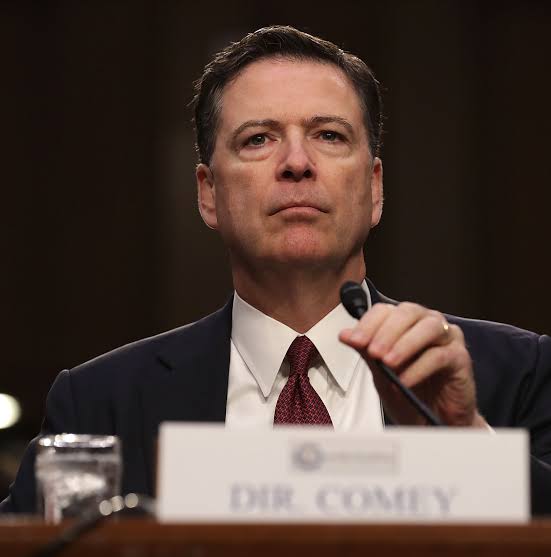
Few figures in modern American law enforcement have sparked as much debate as James Comey. From overseeing some of the most politically sensitive investigations in U.S. history to becoming a central figure in legal and political controversies, Comey’s career has shaped public trust in federal institutions.
In 2026, his name returned to headlines following a new federal indictment connected to a social media post that authorities interpreted as a threat against President Donald Trump. The case triggered nationwide reactions, reigniting long-standing political tensions that date back to his time leading the Federal Bureau of Investigation (FBI).
This article explores Comey’s FBI legacy, political clashes, legal challenges, and the broader national reaction shaping his continued influence.
The Early Career of James Comey
Before becoming FBI director, James Comey built a reputation as a disciplined federal prosecutor and legal professional. His career included service as a U.S. attorney and later as Deputy Attorney General during the administration of President George W. Bush.
During this period, Comey gained recognition for advocating strong oversight within federal law enforcement and emphasizing ethical standards. His professional approach often highlighted independence from political pressure, a theme that would later define his public image.
These early achievements contributed to his selection as FBI Director in 2013 under President Barack Obama.
Becoming FBI Director: A Turning Point
When James Comey took charge of the FBI, the agency was facing evolving threats, including cybercrime, domestic terrorism, and international espionage.
His tenure emphasized modernization and transparency. However, his leadership would soon become closely tied to political controversies that shaped his public reputation.
The most defining moment came during the investigation into emails connected to former Secretary of State Hillary Clinton. Comey announced that prosecutors would not pursue charges, though he criticized Clinton’s handling of classified material as “extremely careless.”
This decision sparked criticism from both major political parties and marked the beginning of intense scrutiny surrounding his actions.
The 2016 Election Controversy
The 2016 U.S. presidential election became one of the most controversial periods of Comey’s career.
Just days before voters went to the polls, Comey notified Congress that the FBI had discovered additional emails potentially linked to the Clinton investigation. The announcement triggered widespread debate about whether the disclosure influenced the election outcome.
While internal reviews later found no evidence of political bias in the decision, critics argued that the timing violated traditional law enforcement norms.
This episode cemented Comey’s reputation as a polarizing figure in American politics.
The Russia Investigation and Trump Tensions
Relations between Comey and President Donald Trump deteriorated sharply following investigations into alleged Russian interference in the 2016 election.
Comey oversaw early stages of inquiries into potential connections between Trump campaign officials and Russian actors. These investigations led to significant political friction.
In May 2017, President Trump dismissed Comey as FBI Director. The firing sparked immediate controversy, with some lawmakers comparing the move to historical incidents involving presidential interference in investigations.
The event marked a turning point in U.S. political history and intensified debates over executive power and judicial independence.
Post-FBI Career and Public Influence
After leaving the FBI, Comey transitioned into public commentary and writing. His memoir, public speeches, and media appearances positioned him as a vocal critic of political interference in law enforcement.
He frequently warned about threats to democratic institutions and emphasized the importance of rule of law.
These statements drew both praise and criticism, depending on political perspective. Supporters viewed him as defending institutional integrity, while critics accused him of politicizing law enforcement.
The Latest Legal Clash: 2026 Indictment
In 2026, James Comey returned to national headlines after facing federal charges related to a controversial social media post.
Authorities alleged that a photo showing seashells arranged as “86 47” could be interpreted as a coded threat against President Donald Trump.
Comey removed the post shortly after backlash and denied any violent intent, stating that the message was misunderstood.
The indictment included charges related to transmitting threats across state lines. Legal experts noted that prosecuting such cases can be complex, particularly when free speech protections are involved.
This development reignited political debate and intensified public scrutiny of federal prosecutorial decisions.
Political Reactions Across the United States
The indictment triggered strong reactions from politicians, legal scholars, and the general public.
Supporters of the prosecution argued that any perceived threats against public officials must be investigated thoroughly. Critics, however, warned that pursuing charges against political rivals could damage public trust in federal institutions.
Comey himself described the charges as politically motivated and pledged to fight them in court.
Meanwhile, the Department of Justice insisted that the case followed standard procedures and denied allegations of political bias.
These contrasting perspectives illustrate the deeply divided political climate surrounding the case.
Public Reaction and Media Coverage
Media outlets across the political spectrum devoted extensive coverage to the indictment.
Some commentators emphasized the seriousness of potential threats against public officials, while others focused on the broader political implications of prosecuting a former FBI director.
Public opinion appeared similarly divided, reflecting ongoing polarization in U.S. politics.
The controversy also reignited discussion about how social media posts can be interpreted differently depending on context and audience.
Legal Questions and Free Speech Debate
One of the central issues in the Comey case involves the interpretation of speech under U.S. law.
Legal scholars note that courts must determine whether a statement constitutes a true threat or protected political expression.
This distinction is critical because the First Amendment guarantees freedom of speech but does not protect direct threats of violence.
Experts say the outcome of the case could set important legal precedents for future disputes involving social media communication.
The Broader Debate Over Justice Department Independence
The Comey case also sparked wider discussion about the independence of the U.S. Department of Justice.
Historically, the Justice Department has sought to maintain separation from political influence. However, critics have argued that recent prosecutions targeting political figures may undermine this principle.
Supporters of the current actions argue that accountability applies equally to all individuals, regardless of status.
This ongoing debate highlights the delicate balance between law enforcement and political oversight.
Impact on the FBI’s Reputation
As a former director, Comey’s legal challenges inevitably affect perceptions of the FBI itself.
Some analysts argue that controversies involving former leadership can influence public trust in federal agencies.
Others believe the FBI’s institutional structure ensures continuity regardless of individual leadership controversies.
Maintaining public confidence remains a critical priority for the agency, especially in an era of heightened political polarization.
The Long-Term Legacy of James Comey
Regardless of the outcome of current legal proceedings, James Comey’s legacy remains deeply intertwined with major events in modern American politics.
His leadership during high-profile investigations, controversial decisions during elections, and ongoing political clashes ensure his place in historical discussions about federal law enforcement.
Future historians will likely analyze his career as a case study in leadership during politically charged times.
What Comes Next?
As legal proceedings move forward, several outcomes remain possible.
Comey is expected to challenge the charges and defend his actions under free speech protections.
Court rulings could clarify how political speech is interpreted under federal law.
Meanwhile, public interest in the case remains high, ensuring continued media attention and political debate.
Conclusion: A Figure Who Continues to Shape National Debate
James Comey’s journey from respected federal prosecutor to controversial public figure reflects the evolving relationship between law enforcement and politics in the United States.
His FBI leadership, political clashes, and recent legal challenges highlight the complex nature of modern governance.
Whether viewed as a defender of institutional integrity or a polarizing political actor, Comey remains a central figure in American public life.
As events unfold, his story continues to influence national conversations about justice, accountability, and democracy.
Frequently Asked Questions (FAQs)
Who is James Comey?
James Comey is a former Director of the Federal Bureau of Investigation who served from 2013 to 2017 and later became a prominent public figure in political and legal debates.
Why is James Comey in the news in 2026?
He is facing federal charges related to a social media post interpreted as a threat against President Donald Trump, sparking political and legal controversy.
What was James Comey’s role in the 2016 election?
Comey oversaw the FBI investigation into Hillary Clinton’s emails and notified Congress about additional findings shortly before Election Day, a move widely debated by political leaders.
Why was James Comey fired as FBI Director?
President Donald Trump dismissed him in 2017 amid ongoing investigations into Russian election interference, a move that generated national controversy.
What impact could the current legal case have?
The case could influence how courts interpret political speech and determine the boundaries between free expression and criminal threats.
How useful was this post?
Click on a star to rate it!
Average rating 0 / 5. Vote count: 0
No votes so far! Be the first to rate this post.
About the Author

usa5911.com
Administrator
Hi, I’m Gurdeep Singh, a professional content writer from India with over 3 years of experience in the field. I specialize in covering U.S. politics, delivering timely and engaging content tailored specifically for an American audience. Along with my dedicated team, we track and report on all the latest political trends, news, and in-depth analysis shaping the United States today. Our goal is to provide clear, factual, and compelling content that keeps readers informed and engaged with the ever-changing political landscape.