Oklahoma City Bombing: Deadly Blast Remembered, 168 Lives Lost, US Reflects
Oklahoma City Bombing: Deadly Blast Remembered, 168 Lives Lost, US Reflects
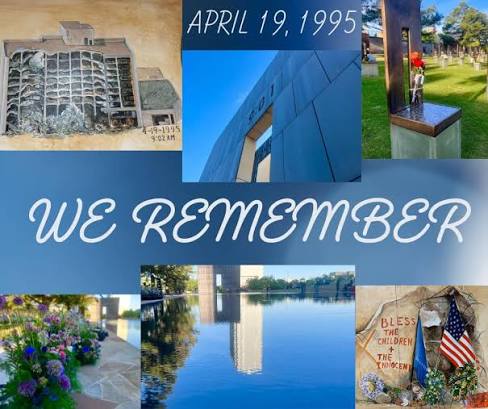
The Oklahoma City Bombing remains one of the most tragic and defining moments in modern American history. On April 19, 1995, a massive truck bomb exploded outside the Alfred P. Murrah Federal Building, killing 168 people, including 19 children, and injuring hundreds more.
More than three decades later, the United States continues to remember the lives lost and reflect on the lessons learned. The attack reshaped national security policies, strengthened emergency response systems, and highlighted the devastating impact of domestic terrorism.
This article explores the events of that day, the investigation, the aftermath, and the lasting legacy of the Oklahoma City Bombing.
What Happened on April 19, 1995
The Morning That Changed America
On the morning of April 19, 1995, downtown Oklahoma City was bustling with activity. Government employees, families, and children were beginning their day inside the Murrah Federal Building.
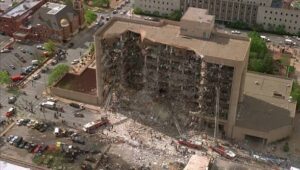
At 9:02 a.m., a powerful explosion tore through the area when a truck bomb detonated outside the building. The blast destroyed nearly one-third of the structure and caused widespread devastation across several city blocks.
Within seconds, the scene turned into chaos. Dust filled the air, windows shattered, and vehicles were engulfed in flames. Rescue workers rushed to help survivors trapped under rubble.
Scale of Destruction
The explosion was catastrophic in both force and reach.
Key facts include:
- 168 people were killed, including 19 children
- More than 500 people were injured
- Over 300 nearby buildings were damaged or destroyed
- Damage costs exceeded $650 million
- The blast created a massive crater near the building
These numbers illustrate the extraordinary scale of destruction caused by the bombing.
At the time, it became the deadliest act of domestic terrorism in United States history.
Who Was Responsible for the Oklahoma City Bombing
Timothy McVeigh and Terry Nichols
Authorities quickly identified the perpetrators as Timothy McVeigh and Terry Nichols, two former U.S. Army soldiers.
McVeigh parked a rental truck loaded with explosives outside the federal building and ignited timed fuses before leaving the area. The bomb consisted of fertilizer-based explosives mixed with fuel oil and other materials.
Shortly after the bombing, McVeigh was stopped by police for a traffic violation. This arrest later played a crucial role in solving the case.
Motives Behind the Attack
Investigators determined that McVeigh was motivated by anti-government beliefs.
He cited anger over incidents such as:
- The Waco Siege
- The Ruby Ridge Standoff
McVeigh chose April 19 deliberately because it marked the anniversary of the Waco Siege.
The Rescue Efforts and Immediate Aftermath
Heroic Response
Emergency responders arrived within minutes. Firefighters, police officers, and volunteers worked tirelessly to rescue survivors trapped beneath collapsed concrete and steel.
Search-and-rescue operations continued for days, with teams using specialized equipment to locate survivors. Many rescuers risked their lives to save others.
The coordinated response involved:
- Local emergency services
- Federal agencies
- Volunteer groups
- Medical teams
These combined efforts saved numerous lives.
Community Response
In the aftermath of the bombing, the Oklahoma City community demonstrated remarkable unity. Donations poured in from across the country, and volunteers assisted families affected by the tragedy.
The spirit of resilience became known as the “Oklahoma Standard,” symbolizing compassion, service, and unity in the face of tragedy.
Investigation and Arrest
How Authorities Solved the Case
The investigation into the Oklahoma City Bombing became one of the largest in U.S. history.
A key breakthrough came when investigators recovered a truck axle from the debris. The vehicle identification number led authorities to a rental company, which helped identify McVeigh as the suspect.
Within days:
- McVeigh was formally charged
- Nichols surrendered to authorities
- Additional suspects were investigated
Trial and Sentencing
In 1997, McVeigh was convicted on multiple counts, including murder and conspiracy. He was later executed in 2001, becoming the first person executed for a federal crime in the United States since 1963.
Nichols received multiple life sentences without the possibility of parole.
These legal outcomes provided closure for many families, though the emotional scars remained.
The Victims: Lives Lost Too Soon
Children Among the Victims
One of the most heartbreaking aspects of the Oklahoma City Bombing was the loss of children.
Many of the youngest victims were inside a daycare center located within the federal building. In total, 19 children lost their lives in the attack.
Victims ranged in age from three months to 73 years, highlighting the indiscriminate nature of the violence.
Families and Survivors
Hundreds of survivors faced long recoveries, both physically and emotionally. Some suffered severe burns, fractures, and permanent disabilities.
Survivor stories often highlight resilience and determination, showing how individuals rebuilt their lives after unimaginable loss.
The Oklahoma City National Memorial
A Place of Reflection
Today, the bombing site has been transformed into the Oklahoma City National Memorial & Museum, honoring the victims and survivors.
The memorial features:
- 168 symbolic chairs, representing each victim
- Smaller chairs honoring the children
- A reflecting pool marking the moment of the explosion
- A preserved “Survivor Tree” that endured the blast
These elements create a powerful reminder of the lives lost.
Annual Remembrance
Every year on April 19, ceremonies take place at the memorial site. Participants observe 168 seconds of silence, one second for each life lost.
Even decades later, communities gather to honor victims and reaffirm their commitment to peace.
Recent remembrance ceremonies continue to draw families, survivors, and public officials who reflect on the tragedy and its lessons.
How the Oklahoma City Bombing Changed America
Security Reforms
The attack led to major changes in security policies across the United States.
Key changes included:
- Increased building security measures
- Enhanced surveillance systems
- Strengthened anti-terrorism laws
- Improved emergency preparedness protocols
These reforms aimed to prevent future attacks and improve response capabilities.
Counterterrorism Awareness
The bombing forced Americans to recognize the threat of domestic terrorism.
It also prompted lawmakers to adopt new legislation focused on preventing extremist violence.
Security agencies expanded their monitoring of extremist groups and improved intelligence-sharing networks.
Media Coverage and Public Reaction
National Shock and Mourning
The Oklahoma City Bombing dominated headlines across the United States and around the world. Television networks broadcast live footage of rescue operations, capturing the devastation and heroism of first responders.
Communities across America held candlelight vigils and memorial services.
The tragedy deeply affected the national psyche and reshaped public awareness of security threats.
Survivor Stories and Resilience
Stories of Strength
Many survivors turned their experiences into messages of hope and resilience.
For example, survivors trapped under rubble often described moments of fear, determination, and gratitude after rescue. These stories became symbols of courage.
Years later, survivors continue to share their experiences to educate future generations.
Their journeys demonstrate the lasting emotional impact of traumatic events.
The Legacy of the Oklahoma City Bombing
A Lasting Reminder
The Oklahoma City Bombing remains one of the most significant domestic terrorism events in American history.
It changed:
- Emergency response strategies
- National security measures
- Public understanding of extremism
The legacy of the attack continues to influence policies today.
Lessons Learned
The tragedy reinforced several important lessons:
- Communities must remain vigilant
- Emergency preparedness saves lives
- Unity helps rebuild after tragedy
- Education prevents misinformation
These lessons continue to guide policymakers and emergency responders.
Why America Still Reflects Today
Remembering the Victims
Each year, Americans pause to remember the lives lost in the bombing.
Memorial ceremonies ensure that victims are never forgotten.
Families and communities continue to honor their loved ones through remembrance events and educational programs.
A Symbol of Unity
The response to the bombing became a model for national solidarity.
The “Oklahoma Standard” continues to inspire communities to support one another during crises.
This spirit remains one of the most meaningful outcomes of the tragedy.
Timeline of Key Events
April 19, 1995 — Bomb detonates at Murrah Federal Building
April 20, 1995 — McVeigh identified as suspect
1997 — McVeigh convicted
2001 — McVeigh executed
2000–2001 — Memorial and museum completed
Present Day — Annual remembrance ceremonies continue
FAQs About the Oklahoma City Bombing
What was the Oklahoma City Bombing?
The Oklahoma City Bombing was a domestic terrorist attack that occurred on April 19, 1995, when a truck bomb exploded outside a federal building in Oklahoma City, killing 168 people.
Who carried out the Oklahoma City Bombing?
The attack was carried out by Timothy McVeigh, with assistance from Terry Nichols. Both were former U.S. Army soldiers motivated by anti-government beliefs.
How many people died in the Oklahoma City Bombing?
A total of 168 people were killed, including 19 children, making it one of the deadliest acts of domestic terrorism in U.S. history.
Where did the Oklahoma City Bombing happen?
The bombing occurred outside the Alfred P. Murrah Federal Building in downtown Oklahoma City, Oklahoma.
What changes occurred after the bombing?
The attack led to stronger anti-terrorism laws, improved building security, and enhanced emergency response systems across the United States.
Why is the Oklahoma City Bombing still remembered?
The bombing is remembered because of the tragic loss of life and its lasting impact on national security, public awareness, and community resilience.
Conclusion
The Oklahoma City Bombing remains a powerful reminder of the devastating consequences of extremist violence. The loss of 168 lives, including innocent children, left an indelible mark on American history.
Through remembrance, education, and unity, the United States continues to honor the victims and ensure that the lessons learned from April 19, 1995, are never forgotten.
Even decades later, the story of Oklahoma City is not only about tragedy—it is also about resilience, courage, and the enduring strength of community.
How useful was this post?
Click on a star to rate it!
Average rating 0 / 5. Vote count: 0
No votes so far! Be the first to rate this post.
About the Author

usa5911.com
Administrator
Hi, I’m Gurdeep Singh, a professional content writer from India with over 3 years of experience in the field. I specialize in covering U.S. politics, delivering timely and engaging content tailored specifically for an American audience. Along with my dedicated team, we track and report on all the latest political trends, news, and in-depth analysis shaping the United States today. Our goal is to provide clear, factual, and compelling content that keeps readers informed and engaged with the ever-changing political landscape.