Brian Fitzpatrick Move: Bipartisan Push, Policy Fight, DC Buzz
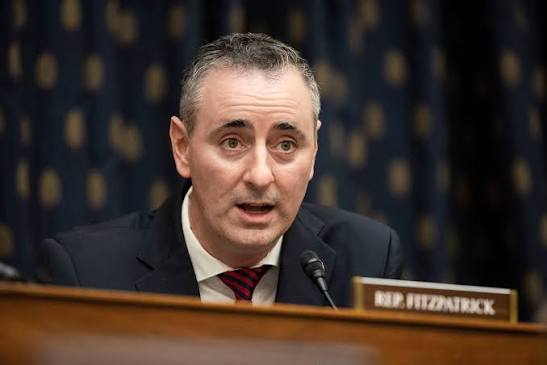
Washington, D.C. is once again buzzing as lawmakers clash over policy priorities, funding battles, and bipartisan reforms. At the center of several key debates stands Brian Fitzpatrick, a Republican widely known for working across party lines. His latest legislative efforts—ranging from national security to healthcare reform—are shaping conversations on Capitol Hill and drawing attention from both political allies and critics.
In a deeply polarized political environment, Fitzpatrick’s approach has positioned him as a pivotal figure in bipartisan negotiations. Whether tackling federal funding reforms, proposing national security resolutions, or working with Democrats on healthcare initiatives, his recent moves have reinforced his reputation as one of Congress’s most bipartisan lawmakers.
The Rise of a Bipartisan Lawmaker
The political career of Brian Fitzpatrick reflects a unique trajectory compared to many members of Congress. Before entering politics, he served as an FBI supervisory special agent and worked on public corruption and election crimes, gaining experience that shaped his approach to governance.
Since his election in 2016, Fitzpatrick has repeatedly ranked among the most bipartisan members of the U.S. House of Representatives. His willingness to support legislation introduced by members of both parties has set him apart in a political climate often defined by partisan division. According to bipartisan legislative rankings, he has consistently ranked near the top for cross-party collaboration.
This bipartisan identity is not just symbolic. Fitzpatrick has played major roles in passing legislation that spans infrastructure, healthcare, national security, and election integrity. In several high-profile votes, he joined Democrats in supporting bipartisan bills—sometimes risking criticism from within his own party.
These actions have helped define his brand as a “bridge builder,” a label that resonates strongly in Washington, where compromise is increasingly rare.
The Latest Bipartisan Push
Recent legislative developments have placed Fitzpatrick at the forefront of multiple bipartisan initiatives. Among his most notable recent efforts is legislation aimed at strengthening healthcare access and expanding support for research and prevention programs.
In April 2026, Fitzpatrick worked alongside lawmakers from both parties to advance a bipartisan measure focused on strengthening lung cancer research and prevention initiatives for women. The legislation passed the House, demonstrating how bipartisan support can still drive meaningful progress on healthcare issues.
He has also collaborated on broader funding measures designed to support key government agencies, including national security and emergency response programs. These proposals highlight his focus on practical governance rather than ideological battles.
Another area of focus has been workforce and mental health support. Fitzpatrick helped introduce bipartisan legislation aimed at strengthening the mental health workforce and expanding access to care nationwide. The measure reflects growing national concern about mental health shortages and treatment accessibility.
Taken together, these initiatives illustrate a legislative strategy centered on tangible solutions rather than symbolic political wins.
Policy Fight Intensifies in Washington
While bipartisan cooperation remains central to Fitzpatrick’s strategy, his recent moves have also triggered intense policy battles in Washington.
One example is his introduction of a war powers resolution addressing escalating tensions involving Iran. The proposal aimed to clarify congressional authority over military engagement decisions, underscoring ongoing debates about the balance between executive and legislative power.
National security issues have historically sparked fierce partisan disagreement, and Fitzpatrick’s approach reflects an effort to maintain congressional oversight while avoiding unnecessary conflict escalation.
Another policy fight involves immigration and homeland security funding reforms. Fitzpatrick has supported bipartisan proposals aimed at funding key agencies while introducing reforms to immigration enforcement systems. These proposals aim to strike a balance between security concerns and policy modernization—an approach that continues to fuel debate among lawmakers.
Washington insiders note that these battles are less about individual policies and more about the broader ideological divide shaping U.S. politics today.
The Washington Buzz: Why Fitzpatrick Matters
The buzz surrounding Brian Fitzpatrick extends beyond individual legislative proposals. His political positioning has made him a central figure in several high-stakes debates affecting the future of U.S. governance.
One key reason for his influence is his leadership role in bipartisan coalitions such as centrist congressional groups. These alliances bring together lawmakers from both parties who prioritize compromise and pragmatic policy solutions.
Such coalitions have become increasingly important as narrow congressional majorities make bipartisan support essential for passing legislation.
Fitzpatrick’s moderate stance has also allowed him to act as a swing vote on several contentious issues. In closely divided chambers, even a handful of centrist lawmakers can determine whether major legislation succeeds or fails.
Political analysts often point to lawmakers like Fitzpatrick as examples of how bipartisan cooperation can still function despite rising polarization.
Election Pressure and Political Strategy
As election cycles approach, bipartisan lawmakers often face additional political pressure. Fitzpatrick’s district in Pennsylvania has historically been competitive, making his political strategy particularly significant.
In the 2024 election cycle, he secured reelection with strong support, demonstrating his ability to maintain voter trust despite controversial votes that crossed party lines.
Looking ahead to future elections, observers expect his bipartisan image to remain central to his campaign messaging. However, maintaining this balance can be challenging, especially as political parties demand stronger ideological loyalty from their members.
Campaign dynamics also play a role in shaping policy priorities. Lawmakers facing competitive races must balance national responsibilities with local concerns, often tailoring legislation to reflect district-level needs.
Key Policy Areas Driving Debate
Several policy areas continue to dominate the debate surrounding Fitzpatrick’s legislative agenda.
1. Healthcare Reform
Healthcare remains one of the most visible areas of bipartisan cooperation. Fitzpatrick’s work on cancer research funding and mental health programs highlights the growing national demand for improved healthcare systems.
These initiatives reflect a broader trend in Congress: healthcare issues often attract bipartisan backing due to their direct impact on communities nationwide.
2. National Security
Security policy remains a cornerstone of Fitzpatrick’s legislative focus. His background in law enforcement and federal investigations has influenced his approach to national defense and intelligence matters.
War powers resolutions and homeland security funding reforms are likely to remain key elements of his policy agenda.
3. Workforce and Economic Policy
Workforce development and economic stability also play a major role in current legislative debates. Proposals supporting job training programs and infrastructure investment have gained bipartisan traction in recent years.
Fitzpatrick’s legislative approach often emphasizes economic growth combined with workforce modernization.
The Bipartisan Advantage—and Risk
While bipartisan cooperation offers clear advantages, it also carries risks.
Lawmakers who cross party lines frequently face criticism from ideological factions within their own parties. Fitzpatrick has experienced this dynamic firsthand, particularly when voting against certain major party-backed measures.
For example, his opposition to expanded funding cuts in major legislative packages placed him at odds with some members of his party. Yet these decisions reinforced his reputation as an independent-minded legislator focused on policy outcomes rather than partisan loyalty.
Political analysts suggest that this approach can strengthen long-term credibility but may create short-term challenges within party leadership structures.
The Future of Bipartisan Politics
Fitzpatrick’s recent actions reflect broader trends shaping American politics. As political divisions deepen, bipartisan lawmakers are becoming increasingly valuable in resolving legislative gridlock.
Many experts argue that the future of policymaking will depend heavily on the ability of moderates to bridge ideological divides.
Issues such as artificial intelligence regulation, national security modernization, and healthcare funding require broad cooperation to succeed. Legislative proposals in these areas often stall without bipartisan backing, highlighting the importance of lawmakers willing to negotiate across party lines.
In this context, Fitzpatrick’s bipartisan strategy may represent not just a personal brand but a model for future governance.
Public Reaction and Political Impact
Public response to Fitzpatrick’s recent legislative actions has been mixed but largely constructive.
Supporters argue that bipartisan cooperation is essential for effective governance. They point to successful healthcare and workforce initiatives as evidence that compromise can deliver meaningful results.
Critics, however, argue that bipartisan compromises sometimes dilute policy effectiveness or delay necessary reforms.
Despite these debates, Fitzpatrick’s political influence continues to grow. His ability to secure cross-party support has positioned him as a key negotiator in high-stakes legislative battles.
Political observers believe that this influence will likely expand as Congress confronts increasingly complex policy challenges.
What Comes Next in the Policy Fight?
Looking ahead, several major issues are expected to dominate Washington’s legislative agenda.
These include:
- Federal funding negotiations
- National security policy updates
- Immigration reform proposals
- Healthcare system modernization
- Artificial intelligence regulation
Each of these areas requires bipartisan cooperation to move forward, making lawmakers like Fitzpatrick central to the process.
As debates intensify, Washington will continue watching closely to see how bipartisan strategies shape legislative outcomes.
Conclusion: A Lawmaker at the Center of Washington’s Debate
The latest moves by Brian Fitzpatrick highlight the growing importance of bipartisan leadership in modern politics. In an era marked by ideological divisions, his willingness to work across party lines has positioned him as one of the most influential moderates in Congress.
From healthcare initiatives to national security proposals, his legislative agenda reflects a commitment to pragmatic policymaking. While challenges remain, the continued focus on bipartisan collaboration suggests that lawmakers like Fitzpatrick will remain central figures in shaping America’s policy landscape.
As Washington debates intensify and election cycles approach, one thing remains clear: bipartisan leadership is no longer optional—it is essential.
FAQS
1. Who is Brian Fitzpatrick?
Brian Fitzpatrick is a Republican member of the U.S. House of Representatives from Pennsylvania known for his bipartisan legislative approach and background as an FBI agent.
2. Why is Brian Fitzpatrick known for bipartisanship?
He consistently collaborates with Democrats and Republicans on legislation and has ranked among the most bipartisan members of Congress in multiple sessions.
3. What recent legislation has Brian Fitzpatrick supported?
Recent initiatives include bipartisan healthcare legislation focused on lung cancer research, mental health workforce expansion, and national security resolutions.
4. What policy areas does Brian Fitzpatrick focus on?
His primary policy areas include healthcare reform, national security, workforce development, and government funding reforms.
5. Why is bipartisan cooperation important in Congress?
Bipartisan cooperation allows legislation to pass in closely divided chambers and helps resolve policy deadlocks affecting national governance.
How useful was this post?
Click on a star to rate it!
Average rating 0 / 5. Vote count: 0
No votes so far! Be the first to rate this post.
About the Author

usa5911.com
Administrator
Hi, I’m Gurdeep Singh, a professional content writer from India with over 3 years of experience in the field. I specialize in covering U.S. politics, delivering timely and engaging content tailored specifically for an American audience. Along with my dedicated team, we track and report on all the latest political trends, news, and in-depth analysis shaping the United States today. Our goal is to provide clear, factual, and compelling content that keeps readers informed and engaged with the ever-changing political landscape.