Schedule 3 Drugs Shift: New Rules, Prescription Changes, US Reacts
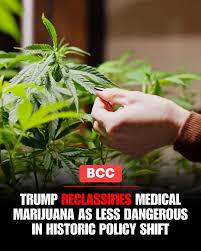
The Schedule 3 drugs shift has quickly become one of the most talked-about healthcare and legal developments in the United States. This major policy move centers on reclassifying marijuana and certain related substances from Schedule I to Schedule III under the federal Controlled Substances Act.
This shift is widely seen as a landmark moment in U.S. drug policy, marking the first major reassessment of cannabis classification in more than 50 years. Officials say the move could reshape medical research, prescription systems, and healthcare access across the country.
But despite widespread attention, many Americans are still asking important questions:
- What exactly changed?
- Will prescriptions become easier to obtain?
- Does this mean legalization?
- How will doctors and pharmacies respond?
This article explores every angle of the Schedule 3 drugs shift, from prescription rules to industry reaction.
Understanding Drug Scheduling in the United States
What Are Drug Schedules?
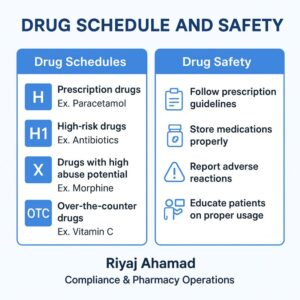
The United States divides controlled substances into five schedules, based on their medical value and risk of abuse.
These schedules were established under the Controlled Substances Act, which regulates how drugs are produced, prescribed, and distributed nationwide.
The Five Drug Schedules Explained
- Schedule I: No accepted medical use, high abuse risk
Example: Heroin, LSD - Schedule II: High abuse risk, accepted medical use
Example: Oxycodone, fentanyl - Schedule III: Moderate to low dependence risk
Example: Ketamine, codeine combinations - Schedule IV: Lower abuse potential
Example: Xanax - Schedule V: Lowest risk
Example: Certain cough medications
Schedule III drugs are defined as substances with accepted medical use and moderate or low physical dependence risk.
The Schedule 3 Drugs Shift Explained
Moving Marijuana to Schedule III
The biggest headline from this policy change is the reclassification of marijuana from Schedule I to Schedule III.
Previously, marijuana was grouped alongside substances considered highly dangerous and lacking medical value. Now, its new classification acknowledges potential medical uses.
The decision follows years of review by federal health agencies, including recommendations to recognize marijuana’s medical benefits.
According to recent federal actions, the U.S. government officially began moving medical cannabis into Schedule III status, marking one of the most significant drug policy changes in decades.
New Prescription Rules: What Will Change?
Do Schedule III Drugs Require Prescriptions?
Yes. Schedule III drugs typically require a prescription from a licensed healthcare provider.
Under federal law:
- Prescriptions can be written or electronic
- Refills are allowed
- Prescriptions can be refilled up to five times
- Refills must occur within six months
These rules provide more flexibility compared to stricter Schedule I regulations.
Will Cannabis Be Prescribed Like Other Medicines?
Not immediately.
Even with reclassification:
- Cannabis products must still pass FDA approval
- State medical programs remain unchanged
- Dispensary sales will likely continue under current systems
Experts note that most cannabis products currently available will not instantly become standard prescription medications.
Impact on Doctors and Healthcare Providers
Easier Medical Research
One of the biggest outcomes of the Schedule 3 drugs shift is expanded research access.
Previously:
- Scientists faced strict limitations
- Obtaining research approval was difficult
- Study materials were limited
Now:
- Research restrictions are expected to ease
- Scientists may access a broader range of products
- Clinical trials could increase
This change could lead to better understanding of marijuana’s therapeutic benefits and risks.
Potential New Treatment Options
With improved research pathways, doctors may eventually gain access to:
- New cannabis-based medications
- Improved pain management therapies
- Alternative treatments for chronic illness
These advances may reshape how healthcare professionals treat conditions such as chronic pain, nausea, and neurological disorders.
Impact on Pharmacies and Prescription Systems
Changes in Pharmacy Handling
Schedule III drugs must still follow strict regulatory procedures.
Pharmacies will:
- Require proper prescriptions
- Maintain detailed drug records
- Follow refill limits
However, handling Schedule III substances is generally easier than managing Schedule I drugs.
This means pharmacies may eventually handle more cannabis-derived medications.
What the Schedule 3 Shift Means for Patients
Increased Medical Access
Patients may benefit in several ways:
- Expanded treatment choices
- Lower regulatory barriers
- Improved insurance acceptance (in the future)
Many patients using cannabis for pain or other conditions could see more formal medical pathways develop.
Research suggests millions of Americans already use medical marijuana under state programs, highlighting strong demand for regulated access.
Does This Mean Marijuana Is Legal?
Legalization vs Rescheduling
A common misconception is that Schedule III status equals legalization.
It does not.
Even after rescheduling:
- Marijuana remains a controlled substance
- Federal restrictions still apply
- Interstate transport remains restricted
- Recreational legality depends on state laws
Rescheduling changes medical classification—not overall legality.
Impact on Businesses and the Economy
Major Industry Implications
The Schedule 3 drugs shift could dramatically affect cannabis businesses.
Potential benefits include:
- Easier access to banking
- Reduced tax burdens
- Increased research funding
- Expanded product development
One major expected change involves tax deductions. Previously, businesses handling Schedule I substances faced strict tax limitations.
Schedule III status could reduce those financial burdens, encouraging industry growth.
Public Reaction Across the United States
Support from Medical Communities
Many healthcare professionals support rescheduling because it:
- Encourages scientific research
- Recognizes medical value
- Supports patient care innovation
Medical groups have long argued that federal classification slowed progress in understanding cannabis benefits.
Mixed Political Reactions
Political response has been divided.
Some leaders praised the move as overdue reform, while others expressed concerns about safety and enforcement.
Public surveys indicate broad support for easing restrictions, particularly among younger voters.
Timeline of the Schedule 3 Drugs Shift
Key Milestones
2023:
Federal health officials recommend reclassification.
2024:
Rulemaking process begins.
December 2025:
Executive action directs agencies to accelerate rescheduling.
2026:
Medical cannabis officially moved to Schedule III under federal law.
These steps represent years of policy review and public debate.
Challenges and Concerns Ahead
Regulatory Uncertainty
Despite the shift, many details remain unclear.
Key concerns include:
- State vs federal conflicts
- Product safety regulations
- Insurance coverage changes
Experts warn that full implementation could take years.
Law Enforcement Questions
Some officials worry about:
- Misuse risks
- Compliance enforcement
- Drug testing policies
Industries such as transportation may face regulatory adjustments due to new drug classification rules.
Impact on Medical Research and Innovation
A New Era for Cannabis Science
Researchers expect significant benefits from the Schedule 3 drugs shift.
New possibilities include:
- Clinical trials
- Pharmaceutical development
- Disease-specific treatments
Experts believe this could lead to safer, standardized medical cannabis products in the future.
How States May Respond
Continued State-Level Authority
Even with federal changes:
- States still control local marijuana laws
- Medical programs will continue independently
- Recreational rules remain unchanged
This means state policy differences will remain a defining feature of U.S. cannabis regulation.
Long-Term Effects on Healthcare
Toward Evidence-Based Treatment
Healthcare professionals hope the shift leads to:
- Reliable dosage standards
- FDA-approved cannabis medications
- Insurance coverage expansion
Over time, these developments could normalize cannabis use in medical settings.
Frequently Asked Questions (FAQs)
What is the Schedule 3 drugs shift?
The Schedule 3 drugs shift refers to the federal reclassification of marijuana from Schedule I to Schedule III, recognizing potential medical uses.
Does Schedule III mean marijuana is legal?
No. Marijuana remains federally controlled and is not fully legalized.
Will prescriptions for cannabis become common?
Not immediately. Cannabis products must still undergo FDA approval before becoming standard prescription drugs.
Can patients buy cannabis across state lines?
No. Interstate sales remain restricted under federal law.
Will medical marijuana programs change?
Most state medical programs will continue as they currently operate.
Why is this shift considered historic?
It marks the most significant federal cannabis policy change in more than five decades.
How will this affect research?
Researchers will face fewer restrictions, making medical studies easier to conduct.
Will insurance cover cannabis treatments?
Possibly in the future, but not immediately.
Conclusion: A Turning Point in Drug Policy
The Schedule 3 drugs shift represents a transformative moment in U.S. healthcare and legal policy. By acknowledging the medical potential of cannabis and easing research restrictions, federal agencies have opened the door to innovation and scientific discovery.
However, this shift does not mean instant legalization or immediate prescription access. Instead, it begins a long process that could reshape medicine, law enforcement, and business practices over the coming years.
As regulations evolve and research expands, the real impact of the Schedule 3 drugs shift will become clearer—potentially redefining how medicine, law, and society view controlled substances in the decades ahead.
How useful was this post?
Click on a star to rate it!
Average rating 0 / 5. Vote count: 0
No votes so far! Be the first to rate this post.
About the Author

usa5911.com
Administrator
Hi, I’m Gurdeep Singh, a professional content writer from India with over 3 years of experience in the field. I specialize in covering U.S. politics, delivering timely and engaging content tailored specifically for an American audience. Along with my dedicated team, we track and report on all the latest political trends, news, and in-depth analysis shaping the United States today. Our goal is to provide clear, factual, and compelling content that keeps readers informed and engaged with the ever-changing political landscape.