Trump Bible Moment: Public Reading, Faith Push, US Reacts
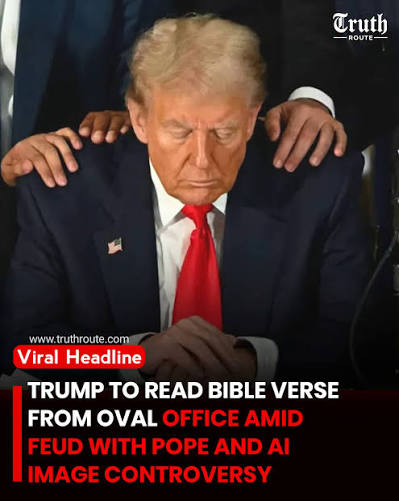
The recent Trump Bible moment has quickly become one of the most talked-about religious and political developments in the United States. During a nationwide faith initiative known as “America Reads the Bible,” U.S. President Donald Trump participated in a public reading of Scripture, drawing praise from supporters and criticism from opponents.
The event is part of a broader push to highlight religious values in public life, but it has also reignited debates about the role of faith in government and politics. Many observers view the moment as symbolic of a deeper shift in American political culture, where religious messaging increasingly intersects with national leadership.
As reactions continue to unfold across media platforms, churches, political circles, and communities, the Trump Bible moment represents far more than a simple reading—it reflects ongoing tensions over identity, faith, and leadership in modern America.
The Public Reading: What Happened During the Event
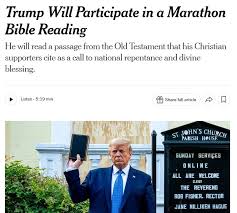
The Bible reading took place as part of a national religious event titled “America Reads the Bible,” held in celebration of the United States’ upcoming 250th anniversary. The initiative included hundreds of participants reading Scripture aloud from beginning to end across several days.
President Trump’s segment attracted particular attention. He was scheduled to read a passage from 2 Chronicles, a section traditionally associated with prayer, repentance, and national renewal. Organizers emphasized that this passage has long been used during times of national reflection and prayer in the United States.
According to organizers and participants, the reading was intended to encourage reflection on moral values and spiritual renewal. However, critics argued that the public nature of the event—and the involvement of political figures—blurred the line between religion and state.
The reading itself was widely shared online, drawing millions of views across social media platforms and news networks.
The Meaning Behind the Scripture Selection
The passage chosen for the reading carried deep symbolic meaning. The message emphasizes humility, prayer, repentance, and national healing—concepts that resonate strongly in religious communities.
Supporters interpreted the passage as a call for unity during times of uncertainty. Some religious leaders described it as a reminder that spiritual values should remain central to national identity.
The selection of this passage was not random. Organizers reportedly reserved it for prominent leadership figures, highlighting its traditional role as a prayer for national restoration.
For many viewers, the symbolism extended beyond theology. The reading was seen as a statement about the importance of faith in public life and leadership.
The Faith Push: Religion in Political Messaging
The Trump Bible moment is part of a broader trend in which religion plays a prominent role in political messaging. Over the years, religious language has become increasingly visible in speeches, campaigns, and public appearances.
President Trump has frequently emphasized the role of faith in national life. Following earlier political campaigns, he described the United States as a nation guided by belief and spiritual values.
Religious supporters have often framed his leadership in spiritual terms. Some groups view him as chosen or guided for a specific national purpose, reflecting longstanding traditions of religious nationalism in American politics.
At the same time, critics argue that mixing religious messaging with political authority risks alienating citizens who hold different beliefs or follow other faith traditions.
Public Reaction: Supporters Applaud the Moment
Supporters of the Trump Bible moment responded with enthusiasm and pride. Many viewed the reading as a powerful symbol of faith returning to public life.
Among religious communities, the event was seen as a sign of moral leadership. Some churches organized watch gatherings, encouraging members to participate in prayer during the broadcast.
Supporters argued that leaders should openly express their faith and serve as moral examples. They also pointed to historical precedents in which American presidents referenced Scripture during times of crisis.
Social media platforms reflected this strong support. Hashtags praising the event trended across conservative networks, with users describing the moment as inspiring and meaningful.
For these supporters, the Bible reading represented a cultural shift toward reaffirming traditional values.
Criticism and Controversy: Opponents Raise Concerns
While supporters praised the event, critics voiced strong concerns. Some argued that the reading was politically motivated rather than purely spiritual.
Recent controversies added fuel to criticism. Earlier incidents involving religious imagery and social media posts drew backlash from both religious and secular communities.
Critics also questioned whether political leaders should participate in religious ceremonies in highly public settings. They argued that such actions risk turning faith into a political tool rather than a personal belief.
Religious scholars and commentators expressed mixed reactions. Some supported public expressions of faith, while others warned against using religious symbolism for political gain.
Religious Community Response: A Divided Landscape
The reaction from religious communities was far from uniform. While evangelical groups largely welcomed the event, other denominations expressed hesitation.
Catholic communities, in particular, showed signs of division. Ongoing tensions between political leaders and religious figures contributed to uncertainty about the broader message behind the reading.
Faith leaders emphasized the importance of separating spiritual devotion from political ambition. Some warned that aligning religion too closely with government risks undermining its spiritual integrity.
Others argued that faith has always been part of public life in the United States and should remain visible in leadership.
This division highlights the complexity of balancing personal belief with public responsibility.
Political Impact: What This Means for U.S. Leadership
The Trump Bible moment carries potential political implications beyond immediate public reaction.
Political analysts suggest that the reading could strengthen support among religious voters. Historically, faith-based communities have played a major role in shaping election outcomes and policy debates.
The event may also influence future political messaging. Leaders from different parties may adopt similar approaches, incorporating religious symbolism into public appearances.
However, critics warn that such strategies could deepen polarization, particularly among voters who favor secular governance.
The long-term political effects remain uncertain, but the symbolic significance of the moment is undeniable.
Media Coverage and Viral Spread
Modern media played a crucial role in amplifying the Trump Bible moment. News outlets, livestream platforms, and social media networks broadcast the reading to audiences worldwide.
The viral nature of the event ensured that even those uninterested in politics became aware of it. Clips circulated across platforms, accompanied by commentary from journalists, influencers, and religious leaders.
Media coverage also focused on the broader narrative surrounding faith and leadership. Reports highlighted the growing role of religious symbolism in public discourse.
This widespread exposure transformed a single reading into a national conversation.
Historical Context: Religion and U.S. Presidents
Public displays of faith by American presidents are not new. Throughout history, leaders have referenced religion during times of crisis and celebration.
Presidents have traditionally invoked divine guidance in speeches, particularly during wars or national emergencies. Public prayer and religious observances have long been part of American political culture.
However, modern media has amplified the visibility of such moments, increasing both praise and criticism.
The Trump Bible moment fits within this historical pattern but also reflects contemporary political dynamics shaped by digital communication and ideological divisions.
The Role of Symbolism in Political Communication
Symbolism plays a powerful role in shaping public perception. In the case of the Trump Bible moment, the visual image of a president reading Scripture carries deep emotional meaning.
For supporters, it symbolizes strength, faith, and moral clarity. For critics, it raises questions about authenticity and intent.
Political symbolism often transcends policy debates, influencing how leaders are remembered in history.
This moment demonstrates how symbolic actions can shape national identity and cultural dialogue.
Social Media Reaction: The Digital Battlefield
Social media platforms became the primary battleground for public reaction.
Supporters shared clips with captions celebrating faith and unity. Critics responded with commentary questioning the motivations behind the reading.
Trending hashtags reflected the intensity of the conversation. Memes, analysis videos, and opinion posts flooded platforms within hours of the broadcast.
The digital response illustrated how modern political events unfold in real time, with public opinion forming instantly across global networks.
International Reaction: Global Attention on U.S. Faith Politics
The Trump Bible moment also attracted international attention.
Observers in other countries viewed the event as a reflection of American cultural values. Some nations with strong religious traditions expressed interest in the symbolism of public faith.
Others questioned whether mixing religion and government aligns with democratic principles.
Global coverage highlighted the broader impact of American political culture on international discourse.
Cultural Significance: Faith and National Identity
At its core, the Trump Bible moment reflects ongoing debates about national identity.
For many Americans, faith remains a central component of cultural heritage. Public expressions of religion are often seen as affirmations of shared values.
However, the United States is also home to diverse beliefs and traditions. Balancing religious expression with inclusivity remains a major challenge.
This moment underscores the evolving relationship between faith and citizenship in modern society.
What Happens Next: The Future of Faith in Politics
Looking ahead, the Trump Bible moment may influence how future leaders engage with religious audiences.
Political strategists will likely study public reactions to determine whether faith-based messaging strengthens voter support.
Religious leaders may also reconsider how they interact with political figures, ensuring that spiritual messages remain authentic.
Regardless of future developments, this moment has already left a lasting mark on American public discourse.
Conclusion: A Moment That Reflects a Nation in Debate
The Trump Bible moment represents more than a single reading of Scripture. It symbolizes the ongoing intersection of religion, politics, and national identity in the United States.
Supporters see it as a powerful expression of faith and moral leadership. Critics view it as a controversial blending of religion and political power.
As debates continue, one thing remains clear: the relationship between faith and governance will remain a defining issue in American society for years to come.
FAQs: Trump Bible Moment
1. What was the Trump Bible moment?
The Trump Bible moment refers to President Donald Trump publicly reading Scripture during the nationwide “America Reads the Bible” event.
2. Why did Trump read from the Bible publicly?
The reading was part of a faith-focused initiative celebrating the role of Scripture in American history and encouraging spiritual reflection.
3. What passage did Trump read?
He was scheduled to read from the Book of 2 Chronicles, a section associated with prayer and national renewal.
4. How did the public react?
Reactions were mixed. Supporters praised the faith message, while critics questioned the political implications.
5. Is this the first time a U.S. president used religious symbolism?
No. American presidents have historically referenced religion, but modern media has increased visibility and debate.
6. What impact could this have on politics?
It may strengthen support among religious voters and influence future political messaging strategies.
How useful was this post?
Click on a star to rate it!
Average rating 0 / 5. Vote count: 0
No votes so far! Be the first to rate this post.
About the Author

usa5911.com
Administrator
Hi, I’m Gurdeep Singh, a professional content writer from India with over 3 years of experience in the field. I specialize in covering U.S. politics, delivering timely and engaging content tailored specifically for an American audience. Along with my dedicated team, we track and report on all the latest political trends, news, and in-depth analysis shaping the United States today. Our goal is to provide clear, factual, and compelling content that keeps readers informed and engaged with the ever-changing political landscape.