Royal Caribbean Chaos: Lawsuits Surge, Safety Questions, US Shocked
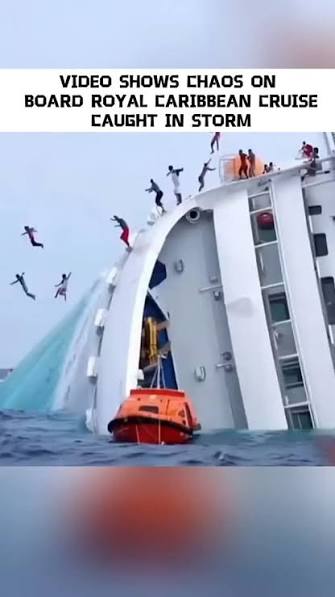
The cruise industry is facing renewed scrutiny as Royal Caribbean International finds itself at the center of multiple lawsuits, safety debates, and public backlash. Over the past year, incidents ranging from passenger injuries to wrongful death claims have shaken confidence in cruise travel and triggered a surge of legal action.
From slip-and-fall injuries to alleged overserving of alcohol and security restraint controversies, the headlines surrounding Royal Caribbean have sparked alarm among travelers and policymakers alike. While cruise vacations remain popular worldwide, the growing number of lawsuits has raised serious questions about safety practices, staff training, and accountability at sea.
In the United States, the reaction has been swift and intense. News coverage, social media debates, and legal filings have transformed isolated incidents into a broader national conversation about cruise safety. As legal battles unfold, the implications could reshape industry standards and traveler expectations for years to come.
Rising Lawsuits Against Royal Caribbean
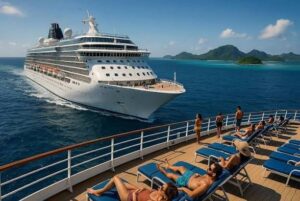
Legal filings against Royal Caribbean have surged in recent years, with multiple new cases drawing public attention. Several passengers have filed lawsuits alleging negligence and unsafe conditions onboard cruise ships.
In one set of cases filed in early 2026, three passengers accused the cruise line of failing to prevent dangerous slip hazards. The lawsuits claimed the company did not properly warn guests about wet surfaces, leading to injuries during voyages.
Slip-and-fall accidents are among the most common claims in maritime litigation. Cruise ships, with their polished decks, pool areas, and crowded entertainment zones, create environments where hazards can develop quickly.
Legal experts say that such cases often hinge on whether cruise operators took reasonable steps to maintain safe conditions. If plaintiffs can demonstrate negligence, settlements or jury awards can reach significant amounts.
Beyond slip incidents, more complex legal disputes have emerged—especially those involving alleged misconduct or inadequate supervision.
The Controversial Death Lawsuit That Shocked the Public
One of the most disturbing cases involving Royal Caribbean centers on the death of a passenger after heavy alcohol consumption during a cruise.
According to legal filings, a 35-year-old passenger was allegedly served 33 alcoholic drinks in a short period. After becoming intoxicated, he reportedly became agitated and was restrained by ship security personnel. The lawsuit claims that the restraint led to fatal mechanical asphyxiation.
Reports also indicated that the passenger’s body remained in onboard storage facilities for the remainder of the voyage, further intensifying public outrage and raising questions about emergency response protocols.
The case triggered intense media coverage and public debate. Critics argued that overserving alcohol and aggressive restraint methods represent serious safety risks. Supporters of the cruise line countered that security personnel must sometimes take decisive action to maintain order.
Regardless of the outcome, the lawsuit has become a defining example of the legal challenges currently facing the cruise industry.
Safety Concerns Extend Beyond Individual Cases
While specific lawsuits dominate headlines, broader safety concerns have also emerged.
Data from federal reports shows that Royal Caribbean recorded a notable number of reported incidents compared to other cruise operators. These reports include allegations of assault, theft, and other onboard incidents tracked under U.S. maritime safety laws.
Such findings have fueled concerns among travelers, particularly families and first-time cruisers. Many passengers now scrutinize safety policies before booking voyages.
Some experts argue that rising incident reports reflect better reporting systems rather than worsening conditions. Others believe the data highlights systemic issues that require reform.
Environmental and Route Safety Decisions
Safety challenges are not limited to onboard incidents. External risks, such as natural hazards, also play a role in cruise safety.
In recent years, Royal Caribbean and other major cruise lines suspended visits to certain scenic routes following geological threats. For example, companies discontinued sailings through Alaska’s Tracy Arm fjord after a major landslide raised tsunami risks in the area.
Such decisions demonstrate the growing complexity of cruise safety management. Companies must evaluate environmental risks alongside operational challenges to protect passengers.
Public Reaction Across the United States
Public reaction to the lawsuits has been intense, particularly in the United States, where many of the incidents occurred.
Social media platforms have amplified news coverage, with viral posts highlighting alleged safety failures and calling for stricter regulations.
Families considering cruise vacations now weigh risks more carefully than ever. Travel forums show increasing numbers of users asking questions about emergency procedures, alcohol policies, and onboard medical facilities.
Legal commentators note that heightened public awareness often leads to regulatory scrutiny, which can force companies to adopt stronger safety measures.
Historical Safety Incidents and Lessons Learned
The current wave of lawsuits is not the first time Royal Caribbean has faced safety controversies.
Over the years, incidents involving passenger injuries, overboard accidents, and environmental violations have prompted legal action and regulatory responses.
For example, the company faced penalties in the past for improper waste management practices and was fined by regulators for environmental reporting failures.
Additionally, isolated onboard accidents—including falls and mechanical injuries—have resulted in lawsuits seeking compensation for victims.
These historical cases illustrate the ongoing challenge of maintaining safety across large, complex vessels carrying thousands of passengers.
Legal Strategy and Defense Approaches
Royal Caribbean has consistently defended itself against negligence claims, often arguing that it meets or exceeds international safety standards.
Maritime law differs significantly from traditional land-based legal systems. Cruise companies typically operate under complex jurisdictional frameworks involving international waters, foreign ports, and multiple legal systems.
Legal teams often focus on proving that the company followed proper procedures and that incidents resulted from unforeseeable circumstances or passenger behavior.
Plaintiffs, on the other hand, seek to demonstrate negligence by showing that safety warnings were insufficient or hazards were ignored.
Impact on the Cruise Industry
The surge in lawsuits against Royal Caribbean has implications beyond a single company.
Other cruise operators are closely monitoring the legal landscape, recognizing that unfavorable verdicts could establish new industry precedents.
Insurance costs, safety training requirements, and operational policies may change as companies attempt to reduce liability risks.
Some analysts believe that the industry will adopt stricter alcohol service rules and enhanced surveillance systems to prevent future incidents.
Such measures could increase operational costs but improve overall passenger safety.
Passenger Rights and Legal Awareness
One positive outcome of increased litigation is greater awareness of passenger rights.
Travelers are now more informed about their legal options in case of injury or negligence.
Many experts recommend that passengers:
- Read safety instructions carefully
- Understand onboard emergency procedures
- Report hazards immediately
- Retain documentation if an incident occurs
Legal professionals emphasize that documentation plays a crucial role in proving negligence claims.
Financial Impact on Royal Caribbean
Despite the controversies, Royal Caribbean continues to report strong financial performance.
Company earnings data shows significant revenue growth and optimistic forecasts for upcoming years, indicating that demand for cruise vacations remains strong.
However, ongoing lawsuits may increase legal expenses and insurance premiums. If major settlements occur, the financial impact could be substantial.
Investors are closely watching developments, as legal outcomes may influence long-term profitability.
Regulatory Pressure and Possible Reforms
Government agencies play a critical role in overseeing cruise safety.
In the United States, maritime authorities monitor incidents reported by cruise lines and may impose penalties for violations.
The growing number of lawsuits has intensified calls for reform, including:
- Mandatory safety audits
- Improved alcohol service regulations
- Enhanced medical response protocols
- Stronger reporting requirements
Advocacy groups argue that stricter rules will prevent accidents and increase transparency across the industry.
Future Outlook: Can Trust Be Rebuilt?
The future of Royal Caribbean—and the cruise industry as a whole—depends on restoring public confidence.
While lawsuits continue to dominate headlines, many travelers still view cruises as safe and enjoyable vacations.
Experts suggest that transparency and accountability will play key roles in rebuilding trust.
Investments in safety technology, staff training, and emergency preparedness may help reassure passengers.
Ultimately, the outcome of ongoing legal cases will shape the industry’s direction for years to come.
Conclusion
The surge in lawsuits against Royal Caribbean reflects growing scrutiny of cruise safety standards and operational practices. From passenger injuries to high-profile wrongful death claims, recent incidents have sparked widespread debate about accountability at sea.
While the company maintains strong financial performance and remains a dominant force in the cruise industry, legal challenges could influence future policies and regulations.
For travelers, the unfolding situation serves as a reminder to stay informed, understand safety procedures, and evaluate risks before booking a voyage.
As court cases progress and new safety measures emerge, the cruise industry stands at a pivotal moment—one that could redefine maritime travel standards worldwide.
FAQs: Royal Caribbean Lawsuits and Safety Concerns
Why are lawsuits against Royal Caribbean increasing?
Lawsuits have increased due to reported passenger injuries, slip-and-fall accidents, and high-profile wrongful death claims that have drawn national attention.
What was the major death case involving Royal Caribbean?
One lawsuit alleges a passenger died after being served excessive alcohol and restrained by security, raising questions about safety and alcohol policies.
Are cruise ships generally safe?
Most cruise voyages occur without major incidents, but safety risks exist, particularly in crowded environments and areas with wet surfaces.
What safety risks are most common on cruises?
Common risks include slips and falls, alcohol-related incidents, medical emergencies, and environmental hazards.
How does maritime law affect lawsuits?
Maritime law governs incidents at sea and often involves complex jurisdictional rules, which can influence legal outcomes.
Has Royal Caribbean responded to the lawsuits?
The company typically denies negligence claims and argues that it follows established international safety standards.
Can passengers sue cruise companies for injuries?
Yes, passengers may file lawsuits if they believe negligence caused injury or harm during a voyage.
Will these lawsuits change cruise safety rules?
Legal outcomes could lead to stricter regulations, improved safety standards, and enhanced monitoring systems across the industry.
How useful was this post?
Click on a star to rate it!
Average rating 0 / 5. Vote count: 0
No votes so far! Be the first to rate this post.
About the Author

usa5911.com
Administrator
Hi, I’m Gurdeep Singh, a professional content writer from India with over 3 years of experience in the field. I specialize in covering U.S. politics, delivering timely and engaging content tailored specifically for an American audience. Along with my dedicated team, we track and report on all the latest political trends, news, and in-depth analysis shaping the United States today. Our goal is to provide clear, factual, and compelling content that keeps readers informed and engaged with the ever-changing political landscape.