Pope vs Trump: Vatican Clash, Immigration Debate, Moral Criticism, Global Tension
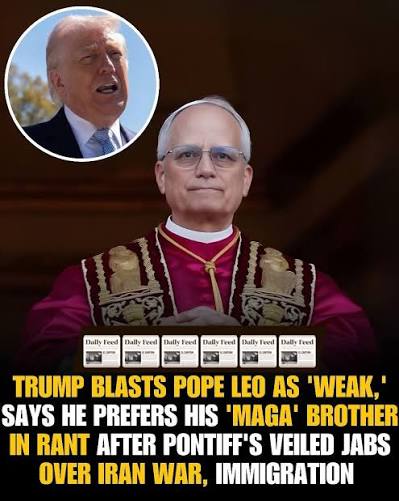
The growing conflict between Donald Trump and Pope Leo XIV has become one of the most striking political-religious confrontations in modern history. What began as disagreements over immigration and humanitarian policy has evolved into a wider geopolitical dispute involving war, diplomacy, and moral leadership.
The ongoing clash between the White House and the Vatican City is not just symbolic—it reflects deep ideological differences about immigration policy, global war, humanitarian values, and the role of religion in politics.
This article explores the background, causes, reactions, and global implications of the Pope vs Trump confrontation, focusing on immigration debates, moral criticism, and rising global tensions.
Background of the Pope vs Trump Clash
The tension between President Trump and Pope Leo XIV did not emerge overnight. It developed gradually through a series of policy disagreements and public statements.
The roots of the conflict trace back to 2025, shortly after Pope Leo XIV became the first American-born pope. Initially, relations appeared respectful, with Trump praising the election of a U.S. pope as a national honor. However, differences soon surfaced—especially over immigration policies and humanitarian issues.
Pope Leo frequently criticized nationalist immigration approaches, warning that strict border measures could foster prejudice and social division. He emphasized compassion toward migrants and argued that governments must balance security with dignity and human rights.
Meanwhile, Trump pursued strict immigration enforcement measures during his second presidency. Policies included increased detention, reduced refugee admissions, and tighter border controls. These policies led to protests and international debate about human rights and national sovereignty.
Over time, these disagreements laid the groundwork for the dramatic confrontation seen today.
Immigration Debate at the Center of the Conflict
Immigration policy has been one of the most controversial issues driving the Pope vs Trump clash.
Trump’s Immigration Approach
President Trump’s administration prioritized border security and strict enforcement. His policies included:
- Declaring national emergencies at borders
- Limiting refugee entry
- Expanding detention practices
- Increasing deportation efforts
Supporters argue these actions improved national security and reduced illegal crossings. In fact, reports showed border crossings dropped significantly during early months of the policy rollout.
However, critics—including the Vatican—raised ethical concerns about the treatment of migrants and asylum seekers.
Pope Leo XIV’s Moral Criticism
Pope Leo strongly criticized what he described as harsh immigration practices. He argued that treating migrants inhumanely contradicts the Christian principle of protecting vulnerable populations.
In several statements, he emphasized:
- Migrants deserve dignity and legal fairness
- Nations should avoid policies driven by fear
- Moral leadership requires compassion
He also called for “deep reflection” on how migrants are treated and encouraged governments to ensure humanitarian safeguards.
These statements fueled political tension, especially among policymakers who viewed the comments as interference in national affairs.
Escalation into Public Confrontation
What began as policy disagreements soon became a public feud involving strong rhetoric and international attention.
President Trump publicly criticized Pope Leo XIV, calling him “weak on crime” and questioning his views on foreign policy. These comments marked a rare moment in modern history where a U.S. president openly attacked a sitting pope.
The pope responded calmly but firmly, stating he would continue speaking out against war and injustice regardless of political backlash.
Observers noted that such direct exchanges between religious and political leaders are extremely rare in contemporary diplomacy.
War, Peace, and Global Diplomacy
Another major factor intensifying tensions is disagreement over war policy, particularly the Iran conflict.
Pope Leo strongly condemned war rhetoric and warned against framing military actions in religious terms. He declared that war cannot be justified as a sacred cause and emphasized dialogue as the path to peace.
Trump, on the other hand, defended strong military responses, arguing that national security requires decisive action.
These opposing views highlight a broader philosophical divide:
- Political realism vs moral diplomacy
- Security strategy vs humanitarian ethics
Such disagreements have drawn reactions from governments worldwide, highlighting the global impact of the dispute.
The Role of Social Media and Public Messaging
Social media played a major role in escalating the Pope vs Trump conflict.
Trump shared posts criticizing the pope and even posted an AI-generated image portraying himself in religious symbolism. The image triggered backlash from religious communities and intensified criticism from global leaders.
Public messaging became a central battlefield, with both sides defending their positions to global audiences.
This digital escalation demonstrates how modern conflicts increasingly unfold online rather than behind closed diplomatic doors.
International Reactions to the Vatican Clash
The Pope vs Trump dispute has drawn strong responses worldwide.
Several international leaders expressed support for Pope Leo XIV, emphasizing that religious leaders have the right to advocate for peace.
Political figures in Europe criticized attacks on the pope as inappropriate, highlighting the importance of respecting religious authority.
Within the United States, reactions were mixed:
- Religious groups defended the pope
- Political allies supported Trump
- Public debate intensified across media platforms
The situation quickly transformed into a global conversation about morality and governance.
Religious Authority vs Political Power
At the heart of the conflict lies a deeper philosophical question:
Should religious leaders influence political decisions?
Supporters of Pope Leo argue that moral leadership is essential in guiding political decisions. They believe religious institutions provide ethical frameworks that protect human dignity.
Supporters of Trump argue that elected officials—not religious leaders—should control national policy decisions.
This debate reflects centuries-old tensions between church authority and state governance.
Impact on Catholic Communities
The dispute has also affected Catholic communities worldwide.
Some conservative Catholic voters expressed discomfort with the harsh tone of political criticism toward the pope. Analysts warned that attacking religious leaders could alienate key voter groups.
Meanwhile, clergy leaders emphasized the importance of respectful dialogue rather than public confrontation.
The controversy illustrates how political rhetoric can influence religious unity and social harmony.
The Vatican’s Diplomatic Strategy
Unlike political institutions, the Vatican often uses diplomacy rooted in moral persuasion rather than political pressure.
Pope Leo’s responses have remained focused on peace, forgiveness, and dialogue. He consistently emphasized that the Church’s mission is humanitarian—not political.
This diplomatic approach aims to reduce conflict rather than escalate it.
Despite strong criticism, Vatican officials continue advocating international cooperation and peaceful negotiation.
Media Coverage and Public Perception
Media outlets worldwide have closely tracked every development in the Pope vs Trump dispute.
News reports highlight:
- Sharp public criticism by Trump
- Moral appeals by Pope Leo
- International political reactions
This widespread coverage has amplified the dispute’s visibility, turning it into a global headline issue.
Public perception remains divided, with audiences interpreting events through political and religious perspectives.
Long-Term Global Implications
The Pope vs Trump clash may have lasting consequences beyond immediate political tensions.
Possible long-term outcomes include:
1. Diplomatic Strain
Relations between the United States and the Vatican may remain tense, affecting cooperation on humanitarian initiatives.
2. Political Polarization
The dispute could deepen divisions among voters, especially those influenced by religious identity.
3. Influence on Global Policy
Religious leaders may become more vocal in addressing political issues such as migration and war.
These outcomes highlight the significance of the ongoing conflict beyond short-term headlines.
Historical Significance of the Conflict
Historically, direct criticism between presidents and popes has been rare.
Analysts compare the current dispute to historical moments when rulers challenged church authority. Such parallels underline the seriousness of the confrontation and its symbolic significance.
Experts suggest that this moment may reshape future relationships between governments and religious institutions.
Moral Leadership in Modern Politics
One of the central themes of the Pope vs Trump clash is the concept of moral leadership.
Pope Leo argues that governments must prioritize:
- Compassion
- Human dignity
- Peaceful coexistence
Trump supporters argue that national security and economic stability should remain top priorities.
This philosophical divide illustrates how different leadership models shape global policies.
Future Outlook: What Happens Next?
The future of the Pope vs Trump relationship remains uncertain.
Potential developments include:
- Diplomatic reconciliation
- Continued public criticism
- Increased global involvement
Observers believe both sides will continue defending their positions, making the dispute a long-term geopolitical issue.
Conclusion
The Pope vs Trump Vatican clash represents more than a political disagreement—it reflects a fundamental debate about morality, leadership, and global responsibility.
At its core, the conflict highlights the tension between humanitarian ethics and national policy priorities.
As immigration debates, war concerns, and moral criticism continue shaping global discourse, the relationship between religious authority and political power will remain a defining issue of the modern era.
Whether this conflict leads to dialogue or deeper division will determine its long-term historical legacy.
FAQs
1. Why did the Pope and Trump clash?
The clash began due to disagreements over immigration policies, war strategy, and humanitarian concerns. The pope criticized harsh policies, while Trump defended strict enforcement.
2. What role did immigration play in the dispute?
Immigration was a central issue, with Pope Leo advocating humane treatment of migrants and Trump supporting strong border enforcement policies.
3. Did the conflict involve global politics?
Yes. The disagreement expanded into debates about war, diplomacy, and global peace initiatives.
4. How did international leaders react?
Many global leaders supported the pope’s call for peace and criticized harsh rhetoric against religious leadership.
5. Could the conflict affect global relations?
Yes. The dispute may influence diplomatic relations between governments and religious institutions worldwide.
6. Is this conflict historically significant?
Yes. Direct public criticism between a U.S. president and a pope is rare, making this dispute historically notable.
How useful was this post?
Click on a star to rate it!
Average rating 0 / 5. Vote count: 0
No votes so far! Be the first to rate this post.
About the Author

usa5911.com
Administrator
Hi, I’m Gurdeep Singh, a professional content writer from India with over 3 years of experience in the field. I specialize in covering U.S. politics, delivering timely and engaging content tailored specifically for an American audience. Along with my dedicated team, we track and report on all the latest political trends, news, and in-depth analysis shaping the United States today. Our goal is to provide clear, factual, and compelling content that keeps readers informed and engaged with the ever-changing political landscape.