Trump vs WSJ: Defamation Lawsuit, Media Clash, Court Fight, Press Battle
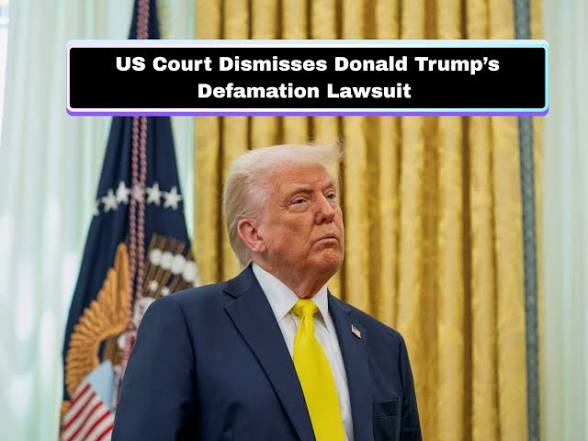
The Trump vs WSJ defamation lawsuit has become one of the most high-profile legal battles involving media accountability and political reputation in recent years. The case pits former U.S. President Donald Trump against the influential newspaper The Wall Street Journal, raising questions about press freedom, journalistic standards, and defamation law.
This media clash gained global attention after a federal judge dismissed Trump’s multi-billion-dollar lawsuit, marking a significant moment in the ongoing conflict between political power and the press.
Background of the Trump vs WSJ Defamation Lawsuit
The Trump vs WSJ dispute began after the publication of a controversial article that referenced alleged historical ties between Trump and convicted financier Jeffrey Epstein.
The article reportedly described a birthday message attributed to Trump in a 2003 album compiled for Epstein. Trump denied the authenticity of the document and labeled it fake. Soon after publication, he filed a defamation lawsuit seeking billions of dollars in damages.
According to court filings, Trump argued that the publication damaged his public image and reputation. His legal team claimed the report was false and published with malicious intent. However, the newspaper maintained that its reporting followed journalistic standards and included Trump’s denial in the article.
The legal fight quickly escalated into a broader national debate over media ethics and political accountability.
Why Trump Filed the Lawsuit Against WSJ
Trump’s lawsuit centered on claims that the newspaper intentionally published misleading information. He argued that the alleged birthday message was fabricated and falsely attributed to him.
The lawsuit sought approximately $10 billion in damages, making it one of the largest defamation claims filed by a public figure against a media organization.
Legal experts noted that defamation lawsuits involving public figures face strict requirements. To succeed, plaintiffs must prove that the publication acted with “actual malice”—meaning it knowingly published false information or showed reckless disregard for the truth.
In this case, Trump’s legal team attempted to demonstrate that journalists failed to verify the authenticity of the document before publication.
However, the court ultimately found otherwise.
Federal Judge Dismisses the Trump vs WSJ Case
A major turning point occurred when a federal judge dismissed the Trump vs WSJ lawsuit.
U.S. District Judge Darrin P. Gayles ruled that Trump’s complaint did not meet the legal standard required to proceed with a defamation case involving a public figure.
The judge stated that the newspaper had taken reasonable steps to verify the information and had contacted Trump before publication. This weakened claims that the reporting was reckless or malicious.
Additionally, the ruling allowed Trump the opportunity to amend and refile the lawsuit, meaning the legal conflict may continue in the future.
This decision marked a temporary victory for the media organization but did not completely end the dispute.
Understanding the ‘Actual Malice’ Standard
The Trump vs WSJ lawsuit highlights one of the most critical elements of U.S. defamation law—the “actual malice” standard.
This standard originates from the landmark case New York Times Co. v. Sullivan, which established strict rules for suing media outlets.
Under this rule:
- Public figures must prove statements were false
- They must show the publisher knew the statement was false
- Or demonstrate reckless disregard for the truth
Judge Gayles concluded that Trump failed to provide sufficient evidence that the newspaper acted maliciously.
Legal analysts note that this high threshold protects press freedom while allowing accountability for truly false reporting.
Role of The Wall Street Journal in the Media Landscape
The case also spotlighted the global influence of The Wall Street Journal, widely regarded as one of the most prominent newspapers in the world.
Founded in 1889, the publication is known for its investigative reporting and financial news coverage. Over the years, it has received multiple prestigious journalism awards and maintained a strong readership base among policymakers, investors, and business leaders.
Its involvement in the lawsuit reinforced the importance of journalistic responsibility and editorial independence in modern media.
Trump’s Ongoing Legal Battles With Media Outlets
The Trump vs WSJ case is part of a broader pattern of legal conflicts between Trump and media organizations.
In recent years, Trump has filed lawsuits against several outlets, including:
- The New York Times
- BBC
- Various journalists and publishers
These lawsuits typically allege biased or inaccurate reporting.
Some cases were dismissed due to insufficient evidence of actual malice, while others remain under legal review.
Observers believe this pattern reflects increasing tensions between political leaders and mainstream media.
Impact on Press Freedom and Journalism
The Trump vs WSJ lawsuit has triggered widespread debate about press freedom.
Media organizations argue that aggressive lawsuits against journalists may discourage investigative reporting. Critics warn that legal pressure could lead to self-censorship, limiting public access to information.
Supporters of Trump, however, argue that media outlets should be held accountable for inaccurate or misleading reporting.
The case therefore represents a broader struggle between two competing values:
- Freedom of the press
- Protection of personal reputation
Both are essential components of democratic societies.
Public and Political Reactions
The dismissal of the Trump vs WSJ lawsuit sparked mixed reactions across political and public circles.
Supporters of press freedom welcomed the ruling as a victory for journalism. Many media analysts argued that the decision reinforced legal protections for reporters.
Meanwhile, Trump publicly criticized the ruling and promised to continue pursuing legal action.
Reports indicate that he intends to file an updated version of the lawsuit before the court-imposed deadline.
This ongoing conflict ensures that the story remains a major focus in political and legal discussions.
Legal Consequences and Future Court Developments
Although the lawsuit was dismissed, the legal battle may continue.
The court granted Trump permission to file an amended complaint with additional evidence. If he chooses to do so, the case could re-enter the legal system.
Potential future outcomes include:
- Refiling of the lawsuit
- Settlement negotiations
- A new trial
- Final dismissal
Legal experts believe the outcome will depend heavily on whether Trump can present new evidence supporting his claims.
How the Case Influences Future Media Lawsuits
The Trump vs WSJ case may shape future defamation lawsuits involving public figures.
Its implications include:
- Reinforcing the difficulty of winning defamation claims
- Encouraging stronger editorial verification processes
- Highlighting the importance of fact-checking
- Strengthening legal protections for journalists
Many legal scholars view this case as an important reference point for future media law disputes.
Media vs Politics: A Growing Global Trend
The Trump vs WSJ lawsuit is not an isolated event.
Around the world, political leaders increasingly challenge media organizations through legal action.
Experts attribute this trend to:
- Rising political polarization
- Increased media scrutiny
- Expanding digital news platforms
- Public distrust in traditional media
These factors continue to fuel legal and ideological battles between journalists and public officials.
Timeline of Key Events in the Trump vs WSJ Case
July 2025 — WSJ publishes article referencing alleged birthday message
July 2025 — Trump files defamation lawsuit seeking $10B
2025–2026 — Legal arguments and filings continue
April 2026 — Federal judge dismisses lawsuit
April 2026 (Deadline) — Trump allowed to refile amended complaint
This timeline highlights how quickly the case escalated into a major legal showdown.
Broader Political and Social Implications
The Trump vs WSJ case reflects deeper tensions within modern democracies.
It raises critical questions such as:
- Should media outlets face stricter legal accountability?
- Are defamation laws strong enough to protect individuals?
- Does political pressure threaten journalism?
These questions will likely influence policy discussions and media practices in the years ahead.
Conclusion: Trump vs WSJ Remains a Defining Media Law Battle
The Trump vs WSJ defamation lawsuit stands as one of the most closely watched legal disputes between political authority and the press.
While the initial lawsuit was dismissed, the conflict is far from over. Trump’s promise to refile the case ensures continued legal drama and public attention.
More importantly, the case reinforces the delicate balance between freedom of expression and protection of reputation—two principles that remain fundamental to democratic governance.
As legal proceedings evolve, the Trump vs WSJ battle will likely remain a defining moment in modern media law.
FAQs: Trump vs WSJ Defamation Lawsuit
1. What is the Trump vs WSJ defamation lawsuit about?
The lawsuit involves Donald Trump suing The Wall Street Journal over an article referencing an alleged historical message linked to Jeffrey Epstein.
2. Why did the judge dismiss the lawsuit?
The judge ruled that Trump failed to prove “actual malice,” a legal requirement in defamation cases involving public figures.
3. How much money did Trump seek in damages?
Trump sought approximately $10 billion in damages from the newspaper.
4. Can the lawsuit still continue?
Yes. The court allowed Trump to file an amended complaint, meaning the case could resume if new evidence is presented.
5. What does ‘actual malice’ mean in defamation law?
Actual malice means publishing information while knowing it is false or showing reckless disregard for the truth.
6. Why is this case important for journalism?
It highlights the legal protections journalists have and the challenges public figures face when suing media organizations.
7. Has Trump sued other media outlets before?
Yes. Trump has filed lawsuits against multiple outlets, including The New York Times and BBC, over alleged defamatory reporting.
8. What happens next in the Trump vs WSJ case?
Trump may refile the lawsuit with additional evidence before the court deadline, potentially restarting the legal process.
How useful was this post?
Click on a star to rate it!
Average rating 0 / 5. Vote count: 0
No votes so far! Be the first to rate this post.
About the Author

usa5911.com
Administrator
Hi, I’m Gurdeep Singh, a professional content writer from India with over 3 years of experience in the field. I specialize in covering U.S. politics, delivering timely and engaging content tailored specifically for an American audience. Along with my dedicated team, we track and report on all the latest political trends, news, and in-depth analysis shaping the United States today. Our goal is to provide clear, factual, and compelling content that keeps readers informed and engaged with the ever-changing political landscape.