Moreno Valley Fire: Wildfire Surge, Evacuations, 4000 Acres Burn, Wind Chaos
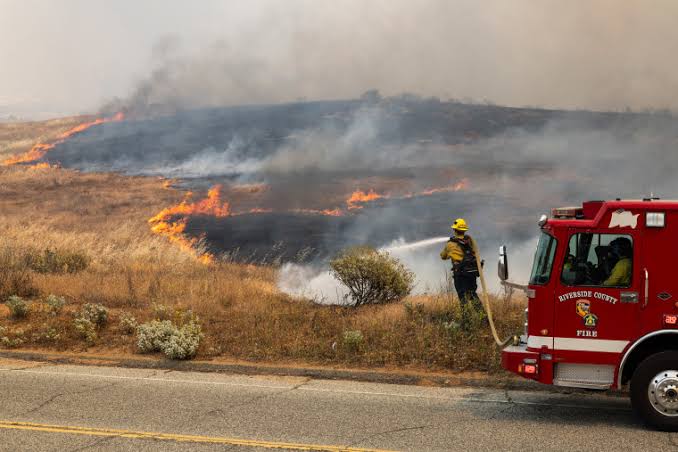
The Moreno Valley Fire has rapidly escalated into a major wildfire emergency, burning over 4,000 acres and forcing widespread evacuations across Moreno Valley. Fueled by powerful winds and dry vegetation, the blaze has intensified concerns about California’s increasingly volatile wildfire seasons.
Residents, firefighters, and emergency responders are facing a high-risk situation as flames spread unpredictably, threatening homes, infrastructure, and wildlife. This developing crisis highlights the growing impact of climate conditions, urban expansion, and seasonal wind patterns on wildfire behavior.
Overview of the Moreno Valley Fire
The wildfire ignited under conditions that experts describe as “extremely favorable” for rapid spread. Within hours, flames expanded across thousands of acres, overwhelming containment efforts.
Key Facts:
- Location: Moreno Valley, California
- Area Burned: Over 4,000 acres
- Cause: Under investigation
- Status: Active and spreading
- Evacuations: Mandatory in several zones
Fire officials have warned that shifting winds continue to drive erratic fire behavior, making containment difficult.
Wind Chaos: The Driving Force Behind the Fire
One of the most dangerous aspects of the Moreno Valley Fire is the intense wind activity. Similar to California’s infamous Santa Ana winds, these gusts can:
- Push flames rapidly across dry terrain
- Carry embers miles ahead of the main fire
- Ignite spot fires in residential areas
- Complicate aerial firefighting operations
Wind speeds in the region have significantly accelerated the fire’s spread, turning what could have been a contained incident into a large-scale disaster.
Evacuations and Emergency Response
Authorities quickly issued evacuation orders as the fire approached populated areas. Emergency shelters have been set up to accommodate displaced residents.
Evacuation Measures Include:
- Mandatory evacuations in high-risk zones
- Road closures and traffic diversions
- Emergency alert systems notifying residents
- Deployment of law enforcement for safety
Local agencies, along with California state firefighting units, are working tirelessly to ensure civilian safety.
Firefighting Efforts and Challenges
Fire crews are battling extreme conditions on multiple fronts. Despite the deployment of aerial tankers, helicopters, and ground units, containment remains limited.
Key Challenges:
- Strong and unpredictable winds
- Rugged terrain limiting access
- High temperatures and low humidity
- Rapidly changing fire direction
Firefighters are prioritizing life-saving measures and protecting critical infrastructure, including homes and power lines.
Impact on Communities
The wildfire has disrupted daily life in and around Moreno Valley. Residents have been forced to leave behind homes, belongings, and in some cases, pets.
Community Impact:
- Schools temporarily closed
- Businesses shut down
- Power outages reported
- Air quality deterioration
Local hospitals and emergency services are on high alert, preparing for potential health impacts related to smoke inhalation.
Environmental Damage
The Moreno Valley Fire is not only a human crisis but also an environmental one. Thousands of acres of vegetation have been destroyed, affecting ecosystems and wildlife habitats.
Environmental Effects:
- Loss of plant life and forest cover
- Displacement of wildlife
- Increased soil erosion risks
- Long-term ecological imbalance
Experts warn that recovery could take years, depending on the severity of the damage.
Climate Change and Wildfire Trends
The increasing frequency and intensity of wildfires in California are closely linked to climate change. Rising temperatures and prolonged drought conditions have created a perfect storm for fires like the Moreno Valley incident.
Contributing Factors:
- Extended dry seasons
- Reduced rainfall
- Higher average temperatures
- Increased vegetation dryness
These factors have turned wildfire seasons into year-round threats, making preparedness more critical than ever.
Safety Tips for Residents
Authorities are urging residents to remain vigilant and prepared.
Fire Safety Tips:
- Follow evacuation orders immediately
- Prepare an emergency kit with essentials
- Keep important documents accessible
- Wear masks to reduce smoke inhalation
- Stay updated through official alerts
Preparedness can significantly reduce risks during such emergencies.
Role of Emergency Services
Multiple agencies are involved in managing the crisis, including:
- Local fire departments
- California Department of Forestry and Fire Protection (Cal Fire)
- Law enforcement agencies
- Emergency medical services
Their coordinated efforts are crucial in controlling the fire and ensuring public safety.
Economic Impact
Wildfires like the Moreno Valley Fire also have significant economic consequences.
Economic Effects:
- Property damage and losses
- Business interruptions
- Increased insurance claims
- Cost of firefighting operations
Recovery efforts will likely require substantial funding and long-term planning.
What Happens Next?
Fire officials are closely monitoring weather conditions and working to increase containment levels. The coming days will be critical in determining the fire’s trajectory.
Possible Scenarios:
- Containment improves if winds subside
- Further spread if conditions worsen
- Extended evacuation periods
- Long-term recovery planning
Authorities continue to emphasize caution and preparedness.
Conclusion
The Moreno Valley Fire serves as a stark reminder of the growing wildfire threat in California. With over 4,000 acres burned, widespread evacuations, and ongoing wind challenges, the situation remains critical.
As firefighters battle the blaze and communities cope with disruption, the focus remains on safety, containment, and recovery. Long-term solutions, including climate action and improved fire management strategies, will be essential to prevent similar disasters in the future.
FAQs
1. What caused the Moreno Valley Fire?
The exact cause is still under investigation, but dry conditions and strong winds contributed to its rapid spread.
2. How large is the fire?
The wildfire has burned more than 4,000 acres and continues to grow.
3. Are evacuations mandatory?
Yes, several areas have mandatory evacuation orders to ensure resident safety.
4. Is the fire contained?
As of now, containment is limited due to challenging weather conditions.
5. How can residents stay safe?
Residents should follow official alerts, evacuate when instructed, and prepare emergency kits.
6. What role does climate change play?
Climate change has increased wildfire frequency and intensity by creating hotter and drier conditions.
How useful was this post?
Click on a star to rate it!
Average rating 0 / 5. Vote count: 0
No votes so far! Be the first to rate this post.
About the Author

usa5911.com
Administrator
Hi, I’m Gurdeep Singh, a professional content writer from India with over 3 years of experience in the field. I specialize in covering U.S. politics, delivering timely and engaging content tailored specifically for an American audience. Along with my dedicated team, we track and report on all the latest political trends, news, and in-depth analysis shaping the United States today. Our goal is to provide clear, factual, and compelling content that keeps readers informed and engaged with the ever-changing political landscape.