Minimum Wage Hike: Pay Boost, Cost Pressure, Inflation Clash, Economy Surge
The debate around the minimum wage hike has intensified globally in 2026, as governments attempt to balance rising living costs with economic stability. From the United States to Europe, wage increases are being introduced or proposed to address income inequality, boost consumer spending, and protect low-income workers.
However, these policies come with a complex trade-off: while workers benefit from higher earnings, businesses face rising costs, and economists remain divided over inflation risks.
This article explores the real impact of minimum wage hikes, covering benefits, challenges, inflation dynamics, and the broader economic outlook.
What Is a Minimum Wage Hike
A minimum wage hike refers to a government-mandated increase in the lowest legal hourly pay employers must provide workers. It acts as a price floor in the labor market, ensuring workers receive a baseline income.
In 2026, wage increases are happening across multiple regions:
- The UK raised wages by over 4% in 2026
- Several US states are pushing for wages as high as $30/hour by 2030
- Countries like Colombia have implemented hikes exceeding 20%
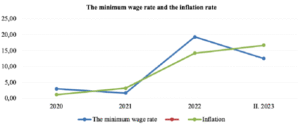
These changes reflect growing pressure to keep wages aligned with inflation and rising living costs.
Why Governments Are Raising Minimum Wages
1. Rising Cost of Living
Inflation has significantly increased the cost of essentials like housing, food, and energy. Many workers struggle to maintain basic living standards.
Studies show that higher wages help reduce poverty and improve food security.
2. Income Inequality
Minimum wage hikes are often used to reduce income inequality by raising earnings for low-income workers.
3. Economic Stimulus
Higher wages can increase consumer spending, which supports economic growth.
4. Political and Social Pressure
Labor movements and public campaigns are pushing governments to adopt more aggressive wage policies.
The Benefits of Minimum Wage Hikes
1. Higher Earnings for Workers
The most immediate benefit is increased income, allowing workers to:
- Afford better housing
- Spend more on essentials
- Reduce financial stress
2. Reduction in Poverty
Research shows wage increases are linked to lower poverty levels and improved living standards.
3. Boost in Consumer Spending
When low-income workers earn more, they tend to spend more, which stimulates the economy.
4. Improved Worker Productivity
Higher wages can lead to:
- Better morale
- Lower turnover
- Increased productivity
5. Stronger Consumer Confidence
In countries like Germany, wage increases have improved consumer sentiment and spending outlook.
The Downsides: Cost Pressure on Businesses
Despite the benefits, minimum wage hikes create challenges—especially for small businesses.
1. Rising Labor Costs
Businesses must absorb higher wage bills, which can:
- Reduce profits
- Limit hiring
- Force cost-cutting
Studies show wage bills can increase by around 6% for affected firms.
2. Job Cuts and Closures
Recent surveys indicate:
- Many businesses plan layoffs due to rising wage costs
- Some may shut down entirely due to financial pressure
3. Reduced Business Growth
Higher wages can discourage new businesses from entering the market, limiting innovation.
Minimum Wage Hike vs Inflation: The Big Debate
One of the most controversial aspects of minimum wage hikes is their impact on inflation.
Argument 1: Wage Hikes Increase Inflation
Some economists argue that:
- Higher wages raise production costs
- Businesses pass costs to consumers
- Prices increase across sectors
Research suggests a $1 wage increase could raise prices by up to 5.5%.
This can lead to a wage–price spiral, where rising wages and prices feed into each other.
Argument 2: Inflation Impact Is Limited
Other studies suggest:
- Price increases are small or temporary
- Wage hikes do not significantly drive overall inflation
In fact, higher wages can help workers cope with inflation rather than cause it.
Real-World Case Studies (2026)
United Kingdom
- Wage increases have improved worker incomes
- However, businesses report rising costs and potential layoffs
United States
- Proposals for $30/hour wages reflect high living costs
- Debate continues over economic sustainability
Colombia
- A 22% wage hike aims to reduce inequality
- Experts warn of inflation risks
Impact on Different Sectors
1. Retail and Hospitality
These sectors are most affected because they rely heavily on low-wage workers.
- Price increases are common
- Job cuts are more likely
2. Small Businesses
Small firms face the greatest pressure due to limited financial flexibility.
3. Large Corporations
Big companies can absorb costs more easily and may even gain market share.
Employment Effects: Myth vs Reality
Traditional economic theory suggests higher wages reduce employment.
However, modern research presents a mixed picture:
- Some studies show minimal job loss
- Others indicate reduced hiring rather than layoffs
In some cases, employment remains stable despite wage increases.
The Global Economic Impact
Minimum wage hikes influence the broader economy in several ways:
1. Economic Growth
Higher wages can boost GDP through increased spending.
2. Inflation Risks
If wage increases are too aggressive, inflation may rise.
3. Investment Climate
High labor costs may reduce business investment and expansion.
4. Productivity Gains
Better-paid workers may contribute to higher productivity.
Minimum Wage and the Cost-of-Living Crisis
The 2026 wage debate is closely tied to the global cost-of-living crisis.
Key trends include:
- Rising housing costs
- Increasing food prices
- Energy price volatility
Minimum wage hikes are seen as a tool to offset these pressures, but not a complete solution.
Future Outlook: What’s Next?
The future of minimum wage policy will depend on:
1. Inflation Trends
If inflation rises, more wage hikes may follow.
2. Economic Growth
Strong economies can support higher wages more easily.
3. Political Decisions
Governments will continue balancing worker welfare and business sustainability.
4. Automation and Technology
Higher wages may accelerate automation, reducing reliance on low-wage labor.
Conclusion
The minimum wage hike debate in 2026 highlights a fundamental economic tension:
- Workers need higher pay to survive
- Businesses need manageable costs to operate
While wage increases can reduce poverty and boost spending, they also risk raising prices and slowing job growth.
The key lies in balanced policy design—ensuring wages rise sustainably without destabilizing the economy.
FAQs
1. What is the main purpose of a minimum wage hike?
The main purpose is to ensure workers earn a basic income that supports living costs and reduces poverty.
2. Do minimum wage increases cause inflation?
They can contribute to price increases, but research shows the impact is often limited or temporary.
3. Who benefits most from minimum wage hikes?
Low-income workers benefit the most through higher earnings and improved living standards.
4. Do wage hikes lead to job losses?
Not always. Some studies show minimal job losses, while others suggest reduced hiring.
5. How do businesses respond to higher wages?
Businesses may raise prices, cut costs, reduce hiring, or invest in automation.
6. Are minimum wage hikes good for the economy?
They can boost consumer spending and reduce inequality, but may also create inflation and cost pressures.
7. What is a wage–price spiral?
It is a cycle where rising wages lead to higher prices, which then lead to further wage increases.
I
How useful was this post?
Click on a star to rate it!
Average rating 0 / 5. Vote count: 0
No votes so far! Be the first to rate this post.
About the Author

usa5911.com
Administrator
Hi, I’m Gurdeep Singh, a professional content writer from India with over 3 years of experience in the field. I specialize in covering U.S. politics, delivering timely and engaging content tailored specifically for an American audience. Along with my dedicated team, we track and report on all the latest political trends, news, and in-depth analysis shaping the United States today. Our goal is to provide clear, factual, and compelling content that keeps readers informed and engaged with the ever-changing political landscape.