Sotomayor Voice: Supreme Court Clash, Rights Fight, Legal Power Surge
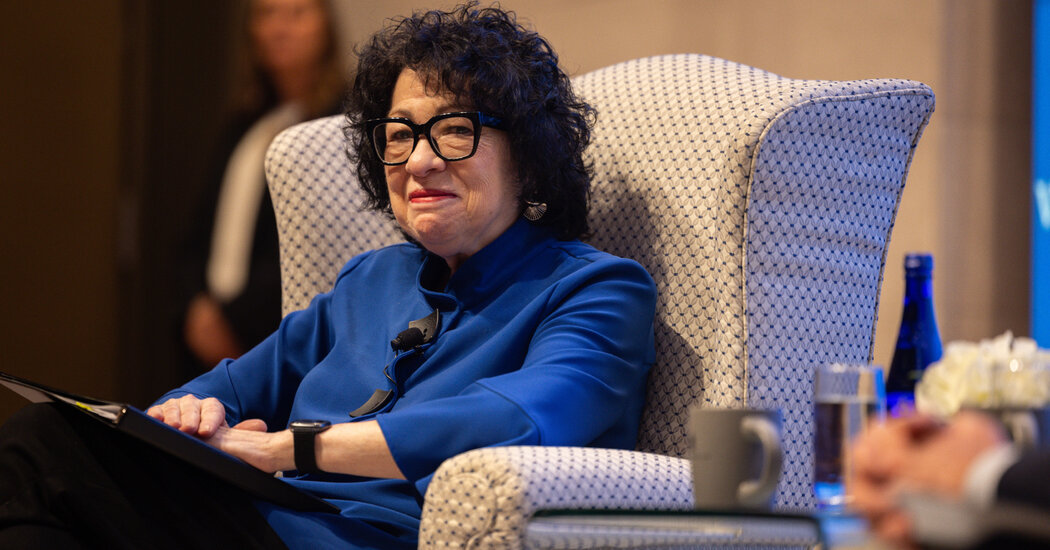
Few figures in modern American law command attention quite like Sonia Sotomayor. Known for her sharp questioning, passionate dissents, and unwavering commitment to civil liberties, Sotomayor has become one of the most influential voices on the U.S. Supreme Court.
In 2026, her presence is more significant than ever. As the Court grapples with contentious issues—from birthright citizenship to free speech and racial justice—Sotomayor’s voice stands at the center of legal and political storms.
This article explores her recent courtroom clashes, her role in shaping rights-based jurisprudence, and the broader implications of her legal philosophy.
The Rise of Sotomayor: From Bronx Roots to Supreme Court Power
Sotomayor’s journey to the Supreme Court is a story of resilience and excellence. Born in the Bronx to Puerto Rican parents, she rose through academic and legal ranks to become the first Hispanic justice on the Court.
Appointed in 2009 by Barack Obama, she quickly established herself as a justice who blends legal rigor with lived experience. Her background often informs her perspective, especially in cases involving marginalized communities.
Supreme Court Clash: Birthright Citizenship Battle
One of the most explosive legal debates of 2026 centers on birthright citizenship under the 14th Amendment. The Supreme Court is currently reviewing a controversial executive order seeking to limit citizenship rights.
During oral arguments, Sotomayor sharply questioned government lawyers, raising concerns about the broader implications of redefining citizenship.
Her stance reflects a long-standing interpretation:
- Citizenship is guaranteed to those born on U.S. soil
- Any deviation could destabilize constitutional protections
She emphasized that undermining this principle could affect hundreds of thousands of births annually.
This case highlights her role as a defender of constitutional continuity and individual rights.
Rights Fight: Defender of Civil Liberties
Sotomayor’s judicial philosophy consistently prioritizes civil liberties. Her opinions often reflect concern for:
- First Amendment protections
- Racial justice and equality
- Due process rights
In a recent case involving a journalist’s arrest, she warned that failing to intervene could weaken press freedom.
Her dissent argued that allowing such rulings to stand risks criminalizing core journalistic practices—an alarming precedent in a democratic society.
Legal Power Surge: Influence Through Dissents
Unlike majority opinions, dissents do not immediately shape law—but they often influence future rulings. Sotomayor has mastered this art.
In multiple cases, she has issued strong dissents that:
- Criticize expanding government power
- Highlight risks to constitutional rights
- Provide frameworks for future legal challenges
For example, in cases involving qualified immunity and protest policing, she has warned against unchecked authority.
Her dissents are frequently cited by legal scholars and activists, demonstrating her long-term influence.
Courtroom Tensions: Ideological Divides
The modern Supreme Court is deeply divided, and Sotomayor is often at the forefront of ideological clashes.
Recent hearings have revealed:
- Increased interruptions and heated exchanges
- Strong disagreements between liberal and conservative justices
- Growing tension over procedural norms
Sotomayor, along with justices like Ketanji Brown Jackson and Elena Kagan, has taken an assertive role in questioning arguments and challenging conservative interpretations.
Racial Justice and the Death Penalty Debate
Another major legal battleground involves racial bias in jury selection.
In a Mississippi death penalty case, the Court examined whether discrimination influenced jury composition.
Sotomayor and other liberal justices emphasized:
- The importance of fair jury representation
- The historical pattern of racial exclusion
- The need for strict enforcement of anti-discrimination rules
This aligns with her broader commitment to equal justice under the law.
Free Speech and Democratic Values
Sotomayor has repeatedly defended free speech as a cornerstone of democracy.
In public remarks and judicial opinions, she has warned against efforts to restrict speech, even controversial speech, unless it crosses into violence.
Her philosophy is rooted in the belief that:
- Democracy depends on open discourse
- Government overreach threatens fundamental freedoms
- Courts must act as guardians of constitutional rights
The Philosophy Behind the Voice
At the core of Sotomayor’s approach is a belief in:
1. Living Constitution
She interprets the Constitution in light of modern realities, especially technological and social changes.
2. Empathy in Judging
While controversial among critics, her emphasis on empathy reflects an effort to understand real-world impacts of legal decisions.
3. Protection of the Vulnerable
Her rulings often prioritize individuals and groups who lack systemic power.
Criticism and Controversy
Sotomayor’s assertive style has not been without criticism.
Opponents argue that:
- Her dissents are overly emotional
- She leans too heavily toward liberal interpretations
- Her courtroom interruptions disrupt proceedings
Supporters counter that her approach is necessary in an era of high-stakes constitutional battles.
Impact on Future Law
Sotomayor’s influence extends beyond current cases.
Her opinions are shaping:
- Future legal arguments
- Academic discussions
- Public understanding of constitutional rights
Many landmark dissents in U.S. history eventually became majority opinions—and Sotomayor’s writings may follow the same path.
Global Perspective: Why Her Voice Matters
Even outside the United States, Sotomayor’s influence is significant.
Her stance on rights resonates globally, particularly in countries grappling with:
- Constitutional interpretation
- Judicial independence
- Civil liberties
For readers in India and beyond, her work offers insight into how courts can balance power and protect democracy.
Conclusion: A Defining Voice of Our Time
Justice Sonia Sotomayor represents more than a judicial figure—she embodies a powerful voice in the ongoing struggle over rights, law, and democracy.
In an era marked by legal uncertainty and political polarization, her presence on the Supreme Court ensures that critical questions about justice and equality remain at the forefront.
Whether through majority opinions or passionate dissents, her influence continues to shape the legal landscape—and will likely do so for decades to come.
FAQs
1. Who is Sonia Sotomayor?
Sonia Sotomayor is a U.S. Supreme Court Justice appointed in 2009 and the first Hispanic member of the Court.
2. What is Sotomayor known for?
She is known for her strong dissents, defense of civil rights, and active role during oral arguments.
3. What recent cases has she been involved in?
She has played a key role in debates over birthright citizenship, free speech, and racial justice in 2026.
4. What is her judicial philosophy?
Her philosophy emphasizes civil liberties, empathy, and protecting marginalized communities.
5. Why is Sotomayor influential?
Her opinions shape legal debates, influence future rulings, and contribute to the evolving interpretation of the Constitution.
How useful was this post?
Click on a star to rate it!
Average rating 0 / 5. Vote count: 0
No votes so far! Be the first to rate this post.
About the Author

usa5911.com
Administrator
Hi, I’m Gurdeep Singh, a professional content writer from India with over 3 years of experience in the field. I specialize in covering U.S. politics, delivering timely and engaging content tailored specifically for an American audience. Along with my dedicated team, we track and report on all the latest political trends, news, and in-depth analysis shaping the United States today. Our goal is to provide clear, factual, and compelling content that keeps readers informed and engaged with the ever-changing political landscape.