Ballot War US: Vote Fight, Election Clash, Fraud Fear, Democracy Crisis Surge
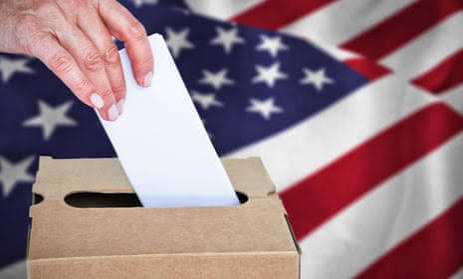
The United States is witnessing a growing “ballot war”—a term increasingly used to describe the escalating conflict over voting systems, election integrity, and political control. From legal challenges to voting rules to rising distrust among voters, the American electoral system is under unprecedented strain.
As the 2026 election cycle intensifies, disputes over mail-in ballots, voter fraud claims, court interventions, and political narratives are shaping a new era of electoral confrontation. What was once a routine democratic process is now a battleground of competing ideologies, legal strategies, and public perception.
What Is the “Ballot War” in the US?
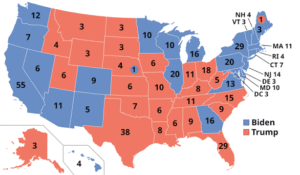
The phrase “Ballot War US” reflects the growing political and legal conflict over how elections are conducted and counted. It includes:
- Legal battles over voting laws
- Disputes about mail-in ballots and deadlines
- Claims of voter fraud (often without evidence)
- Efforts to restrict or expand voter access
- Rising misinformation about election processes
This conflict has intensified since the 2020 presidential election and continues to shape American politics today.
Mail-In Voting: The Core of the Conflict
One of the biggest flashpoints in the ballot war is mail-in voting.
Recent developments show that the U.S. Supreme Court is considering limits on counting ballots that arrive after Election Day—even if they are postmarked on time.
Why This Matters
- Around 30 states allow late-arriving ballots under certain conditions.
- Hundreds of thousands of votes could be affected.
- A ruling could reshape national election procedures before upcoming elections
Supporters argue that stricter deadlines ensure election integrity, while critics warn they could disenfranchise voters, especially the elderly, military personnel, and overseas citizens.
Fraud Claims vs Reality
A major driver of the ballot war is the persistent claim of widespread voter fraud.
However, investigations repeatedly show little evidence of large-scale fraud:
- Federal and state reviews have found minimal cases of illegal voting
- One investigation identified fewer than 40 potential cases in a major state review
- Courts have dismissed multiple fraud-related lawsuits due to lack of evidence
Despite this, political rhetoric continues to amplify fraud fears, contributing to declining public trust.
The Rise of Election Litigation
Election-related lawsuits have surged dramatically in recent years.
- The 2000 election saw around 196 lawsuits
- The 2020 election saw more than double that number
This trend continues today, with lawsuits targeting:
- Voter ID laws
- Mail-in ballot procedures
- Voter roll purges
- District boundaries
Legal battles are now a central strategy in political competition, turning courts into key arenas in the ballot war.
Ballot Seizures and Political Shockwaves
One of the most dramatic recent developments involves the seizure of ballots in California.
- Over 650,000 ballots were seized by a county sheriff investigating alleged irregularities
- State officials warned the move could undermine trust in elections
- Critics called it politically motivated and unprecedented
Such actions highlight how deeply politicized election administration has become.
Political Narratives and Contradictions
Political leaders play a major role in shaping the ballot war narrative.
For example:
- Some leaders criticize mail-in voting as fraudulent
- Yet they themselves have used mail-in ballots
In one recent case, a prominent political figure voted by mail while calling the system “cheating”, raising questions about consistency.
This contradiction fuels confusion and skepticism among voters.
Election Security Threats Are Real
While widespread fraud remains unproven, security threats do exist:
- Ballot drop boxes have been targeted in arson attacks
- Hundreds of ballots were damaged in multiple states
- Bomb threats disrupted polling stations during elections
These incidents show that the real risks to elections may come more from interference and disruption than organized fraud.
Public Trust in Elections Is Declining
One of the most concerning aspects of the ballot war is the erosion of public confidence.
Studies show that:
- Many voters believe fraud is common—even without evidence
- Political affiliation strongly influences these beliefs
- Misinformation spreads rapidly through media and social platforms
When citizens lose trust in elections, democracy itself becomes vulnerable.
The Role of the Supreme Court
The judiciary has become a decisive player in the ballot war.
Key issues before the courts include:
- Whether ballots must arrive by Election Day
- The legality of voter ID requirements
- State vs federal control over election rules
Upcoming rulings could:
- Redefine voting rights nationwide
- Impact millions of voters
- Set precedents for future elections
Voter Access vs Election Integrity Debate
At the heart of the ballot war is a fundamental question:
Should the priority be maximizing voter access or ensuring strict election security?
Arguments for Voter Access
- Expanding democracy
- Increasing participation
- Supporting marginalized groups
Arguments for Election Integrity
- Preventing fraud
- Ensuring accurate results
- Maintaining public trust
In reality, both goals are essential—but political polarization often frames them as opposing forces.
Misinformation: The Invisible Battlefield
Misinformation has become one of the most powerful weapons in the ballot war.
Common false claims include:
- Non-citizens voting in large numbers
- Voting machines being manipulated
- Fake ballots being introduced
Fact-checking consistently shows these claims lack evidence, yet they continue to spread widely.
This creates confusion and fuels distrust in the system.
Impact on Future Elections
The ballot war is not just about current disputes—it is shaping the future of American democracy.
Possible Outcomes
- Stricter voting laws nationwide
- Increased federal oversight
- More legal challenges in every election
- Continued polarization among voters
The 2026 and 2028 elections could be heavily influenced by decisions being made today.
Is American Democracy in Crisis?
The phrase “democracy crisis” is increasingly used—but is it accurate?
Signs of Concern
- Rising distrust in election outcomes
- Politicization of election administration
- Increasing legal disputes
- Spread of misinformation
Signs of Strength
- Courts continue to function independently
- Elections are still conducted regularly
- Safeguards exist against fraud
The reality likely lies somewhere in between: American democracy is under stress—but not yet broken.
How the US Can Move Forward
To reduce the intensity of the ballot war, experts suggest:
1. Strengthening Election Transparency
Clear communication about how votes are counted can rebuild trust.
2. Combating Misinformation
Public education and fact-checking are essential.
3. Bipartisan Election Reforms
Both parties must agree on fair and consistent rules.
4. Investing in Election Security
Protecting infrastructure from cyber and physical threats is critical.
Conclusion
The “Ballot War US” represents a defining challenge of modern American democracy. What began as policy disagreements has evolved into a complex struggle involving courts, politicians, and public opinion.
While fears of fraud dominate political rhetoric, evidence suggests the greater threat lies in eroding trust and increasing polarization. The future of US elections will depend not just on laws and systems—but on whether Americans can restore confidence in the democratic process.
FAQs
1. What is the Ballot War in the US?
The Ballot War refers to ongoing conflicts over voting rules, election integrity, and political control of elections in the United States.
2. Is voter fraud common in the US?
No, investigations consistently show that widespread voter fraud is extremely rare.
3. Why is mail-in voting controversial?
Some argue it increases fraud risk, while others say it improves accessibility and participation.
4. What role does the Supreme Court play in elections?
The Supreme Court decides key legal issues about voting laws, which can impact how elections are conducted nationwide.
5. Are elections in the US secure?
Yes, elections have multiple safeguards, but they still face threats like misinformation and isolated security incidents.
6. Why do people distrust election results?
Misinformation, political rhetoric, and media influence contribute to declining trust.
7. What could happen in future US elections?
Expect more legal battles, stricter laws, and continued debate over voting rights and election integrity.
How useful was this post?
Click on a star to rate it!
Average rating 0 / 5. Vote count: 0
No votes so far! Be the first to rate this post.
About the Author

usa5911.com
Administrator
Hi, I’m Gurdeep Singh, a professional content writer from India with over 3 years of experience in the field. I specialize in covering U.S. politics, delivering timely and engaging content tailored specifically for an American audience. Along with my dedicated team, we track and report on all the latest political trends, news, and in-depth analysis shaping the United States today. Our goal is to provide clear, factual, and compelling content that keeps readers informed and engaged with the ever-changing political landscape.