COVID BA.3.2 Variant: New Mutation Alert, Spread Fear Rising, Global Health Watch
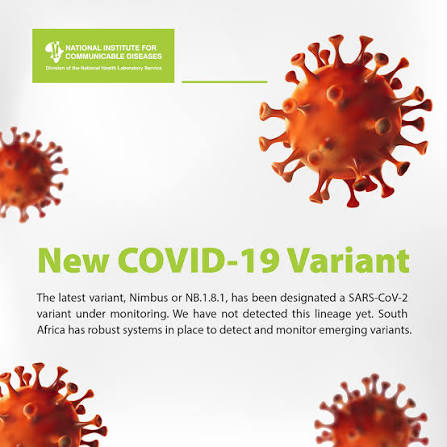
The emergence of the COVID BA.3.2 variant has triggered fresh concern across global health systems. As the world continues to adapt to the long-term presence of COVID-19, new mutations remind us that the virus is still evolving. The BA.3.2 subvariant—sometimes nicknamed “Cicada”—is now under close surveillance due to its high mutation count, potential immune escape, and uncertain transmission patterns.
Health experts warn that while the pandemic may feel distant, the virus continues to mutate and spread. The BA.3.2 variant highlights the importance of global vigilance, scientific monitoring, and public awareness in preventing future outbreaks.
What Is the COVID BA.3.2 Variant?

The COVID BA.3.2 variant is a sublineage of the Omicron variant of SARS-CoV-2. It was first identified in South Africa in November 2024 and has since spread to multiple countries worldwide.
What makes BA.3.2 stand out is its extremely high number of mutations, particularly in the spike protein—the part of the virus responsible for entering human cells.
- Around 70–75 mutations in the spike protein
- Over 100 mutations overall compared to the original strain
- Classified as a variant under monitoring (VUM) by global health authorities
These mutations raise concerns about transmissibility and immune evasion, making BA.3.2 a key focus for researchers.
Why Is BA.3.2 Causing Global Concern?
1. High Mutation Rate
BA.3.2 is one of the most heavily mutated COVID variants discovered in recent years. The large number of mutations may allow it to:
- Spread more efficiently
- Evade antibodies from vaccines or prior infections
- Adapt quickly to changing environments
Experts warn that such mutations can make the virus harder to control, even if severity remains unchanged.
2. Potential Immune Escape
One of the biggest concerns is immune escape. Early research suggests that BA.3.2 mutations may reduce the effectiveness of antibodies.
- Vaccinated or previously infected individuals may still get infected
- However, vaccines still offer strong protection against severe illness
This means breakthrough infections could increase, but hospitalizations may not rise proportionally.
3. Global Spread
BA.3.2 has already been detected in over 20 countries, including the United States and parts of Europe.
- Found in wastewater and clinical samples across multiple regions
- Accounts for up to 30% of cases in some European areas
- Still a small percentage globally, but growing
This spread pattern suggests the variant could become more prominent in coming months.
Symptoms of the BA.3.2 Variant
So far, symptoms of the COVID BA.3.2 variant appear similar to earlier Omicron strains.
Common Symptoms
- Fever
- Cough
- Fatigue
- Sore throat
- Headache
- Body aches
- Nasal congestion
Additional Symptoms
- Sneezing
- Runny nose
- Mild respiratory infection
- Occasional loss of taste or smell
Severity
Current data suggests:
- Mostly mild to moderate illness
- No strong evidence of increased severity yet
However, experts emphasize that more data is needed to confirm long-term impact.
Is BA.3.2 More Contagious?
The answer is still unclear—but there are strong indicators that it could be more transmissible.
Why It Might Spread Faster
- High mutation count in spike protein
- Better ability to evade immunity
- Presence in multiple countries
Scientists believe these factors could lead to a future surge, especially if the variant gains dominance.
Detection and Surveillance
Health agencies worldwide are actively tracking BA.3.2 using:
- Genomic sequencing
- Wastewater surveillance
- Traveler screening programs
This multi-layered approach helps detect new variants early and respond quickly.
For example:
- The variant was identified in airport travelers and wastewater samples
- Surveillance continues to monitor its growth and mutation patterns
Impact on Vaccines and Immunity
Are Vaccines Still Effective?
Yes—but with some limitations.
- Vaccines may be less effective at preventing infection
- Still highly effective against severe disease and death
Booster Importance
Health experts recommend:
- Staying updated with booster shots
- Protecting high-risk populations
- Maintaining immunity against evolving variants
Global Health Response
Governments and health organizations are taking proactive steps:
1. Increased Monitoring
Countries are expanding genomic surveillance systems to track new mutations.
2. Public Awareness Campaigns
Authorities are encouraging people to stay informed and cautious.
3. Vaccine Updates
Scientists are evaluating whether future vaccines need updates to target BA.3.2.
Should You Be Worried?
While the headlines may sound alarming, experts advise cautious awareness—not panic.
What We Know
- BA.3.2 is highly mutated
- It may spread faster
- It does not currently appear more deadly
What We Don’t Know
- Long-term severity
- Full transmission potential
- Future dominance
How to Protect Yourself
Even with new variants, basic precautions remain effective:
Personal Safety Tips
- Get vaccinated and boosted
- Wear masks in crowded areas
- Practice good hygiene
- Stay home if sick
- Test when symptoms appear
These steps continue to reduce the risk of infection and spread.
Future Outlook
The COVID BA.3.2 variant serves as a reminder that:
- The virus is still evolving
- Global health systems must stay alert
- Preparedness is key
Experts warn that while BA.3.2 may not cause immediate disruption, it has the potential to influence future waves if conditions allow.
Conclusion
The COVID BA.3.2 variant represents a new phase in the ongoing evolution of the coronavirus. With its high mutation count and potential immune escape, it has caught the attention of scientists and health authorities worldwide.
However, current evidence suggests that existing vaccines still protect against severe illness, and symptoms remain similar to earlier variants. The situation underscores the importance of continued vigilance, vaccination, and global cooperation.
As the world watches closely, one thing remains clear: COVID-19 is not over, and preparedness is our strongest defense.
FAQs
1. What is the COVID BA.3.2 variant?
BA.3.2 is a highly mutated subvariant of Omicron first detected in South Africa in 2024 and now spreading globally.
2. Is BA.3.2 more dangerous?
There is no strong evidence yet that it causes more severe illness, but it is under close monitoring.
3. What are the symptoms of BA.3.2?
Symptoms include fever, cough, fatigue, sore throat, and cold-like respiratory issues.
4. Can vaccines protect against BA.3.2?
Yes, vaccines still protect against severe illness, though they may be less effective at preventing infection.
5. Is BA.3.2 spreading globally?
Yes, it has been detected in over 20 countries and is being closely monitored by health authorities.
6. Should I be worried about BA.3.2?
Stay cautious but not alarmed. Follow safety guidelines and stay updated with vaccinations.
7. Will BA.3.2 cause another COVID wave?
It is possible, but not certain. Experts are monitoring its spread and impact.
How useful was this post?
Click on a star to rate it!
Average rating 0 / 5. Vote count: 0
No votes so far! Be the first to rate this post.
About the Author

usa5911.com
Administrator
Hi, I’m Gurdeep Singh, a professional content writer from India with over 3 years of experience in the field. I specialize in covering U.S. politics, delivering timely and engaging content tailored specifically for an American audience. Along with my dedicated team, we track and report on all the latest political trends, news, and in-depth analysis shaping the United States today. Our goal is to provide clear, factual, and compelling content that keeps readers informed and engaged with the ever-changing political landscape.