Kathy Hochul : NY update, policy pressure, leadership clash
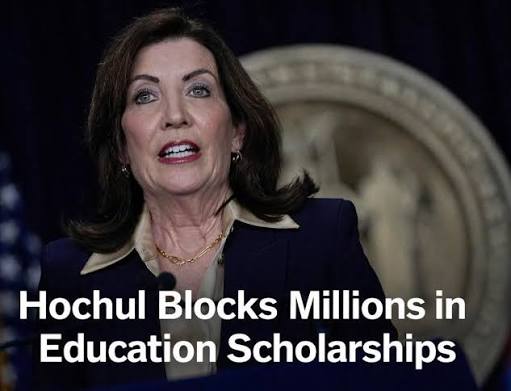
New York Governor Kathy Hochul stands at a pivotal political crossroads in 2026. As she prepares for a re-election battle, her leadership is under intense scrutiny from all sides—progressives, Republicans, business groups, and everyday citizens facing rising costs.
From climate policy recalibration to healthcare protections and economic challenges, Hochul’s governance is increasingly defined by policy pressure and leadership clashes. These tensions are not only shaping New York’s future but also positioning her as a key figure in the broader U.S. political landscape.
This article explores the latest New York updates, the growing policy challenges, and the leadership battles that define Hochul’s administration today.
The Current NY Update: A State Under Pressure
Affordability Takes Center Stage
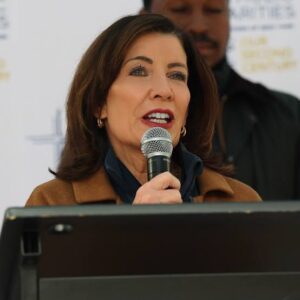
In her 2026 agenda, Hochul has emphasized affordability as the cornerstone of her governance. Her administration has proposed over 200 initiatives aimed at lowering costs, improving safety, and expanding opportunity.
The focus on affordability is not accidental. New Yorkers are grappling with:
- Rising housing costs
- Increasing utility bills
- Inflation-driven economic stress
Hochul has repeatedly framed her leadership around making life “more affordable, safer, and opportunity-rich.”
However, critics argue that her policies sometimes contradict this goal—especially when it comes to climate mandates and taxation debates.
Healthcare Wins Amid Federal Tensions
One of Hochul’s recent policy moves includes securing federal approval to shift New York back to the Basic Health Plan, protecting healthcare coverage for approximately 1.3 million residents.
This move highlights:
- Her proactive approach to federal policy gaps
- A willingness to negotiate across political lines
- A focus on social safety nets
Yet, even this success is overshadowed by broader governance challenges.
Climate Policy Clash: The Biggest Political Storm
Delaying Climate Goals Sparks Debate
The most intense policy pressure facing Hochul comes from New York’s ambitious climate law. Originally targeting a 40% emissions reduction by 2030, the policy has become a flashpoint.
Recent developments show that Hochul is now proposing:
- Delaying key climate mandates to 2040
- Adjusting emissions calculations
- Addressing affordability concerns linked to energy costs
This shift reflects growing concerns that aggressive climate targets may:
- Increase household costs significantly
- Strain energy infrastructure
- Trigger political backlash
Backlash From All Sides
Hochul’s revised stance has triggered a leadership clash across political factions:
- Progressives accuse her of weakening climate commitments
- Republicans argue the delay proves the policy was flawed
- Business leaders warn about economic impact
- Environmental groups fear long-term setbacks
At the same time, affordability concerns are forcing a pragmatic rethink. Reports suggest households could face thousands of dollars in additional energy costs under the original plan.
This puts Hochul in a difficult position—balancing climate ambition with economic reality.
Economic Strategy and Political Messaging
Tariffs and National Politics
Hochul has also stepped into national debates, particularly on trade policy. She has criticized tariff strategies linked to former President Donald Trump, arguing they hurt New York’s economy.
Her campaign messaging includes:
- Calls for financial relief for New Yorkers
- Positioning Republicans as responsible for rising costs
- Highlighting economic fairness
This strategy signals her attempt to connect state-level issues with national political narratives.
Budget Battles and Fiscal Pressure
New York’s budget negotiations are another arena of leadership tension. With deadlines approaching, Hochul faces:
- Resistance from lawmakers
- Pressure from public sector unions
- Concerns over fiscal sustainability
Her proposals aim to avoid tax increases while maintaining essential services—a delicate balancing act.
Public Sector Reform and Workforce Challenges
Tier 6 Pension Debate
Hochul has backed reforms to New York’s Tier 6 pension system, aiming to improve recruitment in public service roles like:
- Teachers
- Police officers
- Nurses
Proposed changes include:
- Lower contribution rates
- Earlier retirement eligibility
- Adjustments to overtime calculations
Supporters argue these reforms are essential for workforce stability, while critics warn of increased costs for municipalities.
Labor Relations and Policy Trade-offs
Labor unions remain a powerful force in New York politics. Hochul’s relationship with them reflects broader governance tensions:
- Cooperation on workforce reforms
- Disagreements on budget priorities
- Pressure to deliver better benefits
This dynamic underscores the complexity of leading a state with strong labor influence.
Emerging Policy Areas: AI, Cannabis, and Innovation
AI Policy and Economic Future
Hochul has signaled interest in positioning New York as a leader in artificial intelligence. Her administration has launched initiatives to:
- Study AI’s impact on jobs
- Promote innovation
- Address energy demands from tech infrastructure
This reflects a forward-looking approach—but also introduces new regulatory challenges.
Cannabis Industry Challenges
New York’s legal cannabis market is still evolving, with industry groups calling for:
- Greater transparency
- Regulatory stability
- Financial support for small businesses
Hochul’s response to these demands will shape the long-term success of the sector.
Leadership Clash: Political and Internal Challenges
Primary Challenges Within Her Party
Hochul is not only facing opposition from Republicans but also internal challenges within the Democratic Party.
Her relationship with Lieutenant Governor Antonio Delgado has reportedly deteriorated, leading to:
- Political tension
- Potential primary challenges
- Questions about party unity
This internal friction adds another layer of complexity to her leadership.
Election-Year Pressure
With the 2026 gubernatorial election approaching, Hochul faces:
- Declining approval ratings
- Increased scrutiny of policy decisions
- Aggressive opposition campaigns
Her leadership is being tested not just on policy outcomes, but on political strategy and public perception.
Balancing Governance and Politics
The Affordability vs. Ambition Dilemma
At the heart of Hochul’s leadership challenge is a fundamental dilemma:
- Ambitious policies (climate, social programs)
- Economic realities (cost of living, inflation)
This tension defines many of her decisions, from climate delays to budget strategies.
Pragmatism vs. Ideology
Hochul’s recent moves suggest a shift toward pragmatism:
- Adjusting climate timelines
- Negotiating healthcare solutions
- Engaging with business concerns
However, this approach risks alienating ideological supporters who expect stronger commitments.
What Lies Ahead for Kathy Hochul
Key Challenges
Looking forward, Hochul must navigate:
- Climate policy implementation
- Budget negotiations
- Election campaign dynamics
- Internal party unity
- Economic stability
Each of these areas presents significant risks and opportunities.
Opportunities for Leadership
Despite challenges, Hochul has opportunities to strengthen her leadership by:
- Delivering tangible economic relief
- Building bipartisan support
- Demonstrating effective governance
- Communicating clear policy goals
Conclusion
Kathy Hochul is navigating one of the most complex political landscapes in recent New York history. Her administration is defined by policy pressure, leadership clashes, and high-stakes decisions that will shape both her political future and the direction of the state.
From climate policy debates to healthcare protections and economic challenges, Hochul’s leadership reflects the realities of modern governance—where compromise, strategy, and resilience are essential.
As the 2026 election approaches, one thing is clear: Hochul’s ability to balance competing demands will determine not only her political survival but also New York’s path forward.
FAQs
1. What is Kathy Hochul’s latest policy focus?
Her primary focus is affordability—reducing costs for New Yorkers while maintaining public services and economic stability.
2. Why is Hochul delaying climate mandates?
She aims to address affordability concerns and rising energy costs, which critics say could burden households.
3. What healthcare changes has Hochul implemented?
She secured federal approval to protect healthcare coverage for over 1.3 million New Yorkers through the Basic Health Plan.
4. What challenges does Hochul face in 2026?
She faces re-election pressure, internal party divisions, budget challenges, and policy debates—especially on climate and economy.
5. How is Hochul handling economic issues?
She is focusing on affordability, opposing certain federal policies like tariffs, and proposing reforms to stabilize New York’s economy.
How useful was this post?
Click on a star to rate it!
Average rating 0 / 5. Vote count: 0
No votes so far! Be the first to rate this post.
About the Author

usa5911.com
Administrator
Hi, I’m Gurdeep Singh, a professional content writer from India with over 3 years of experience in the field. I specialize in covering U.S. politics, delivering timely and engaging content tailored specifically for an American audience. Along with my dedicated team, we track and report on all the latest political trends, news, and in-depth analysis shaping the United States today. Our goal is to provide clear, factual, and compelling content that keeps readers informed and engaged with the ever-changing political landscape.