Mojtaba Khamenei : Iran new supreme leader, war escalation, Hormuz oil shock
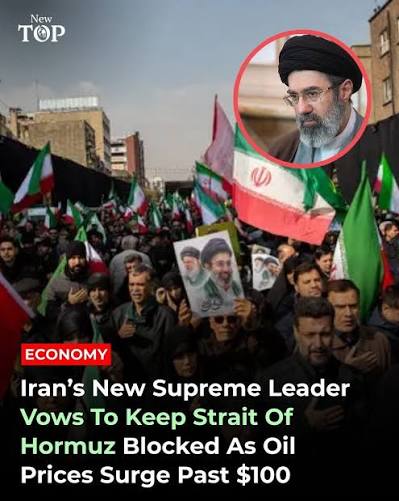
The sudden rise of Mojtaba Khamenei as Iran’s new supreme leader has triggered shockwaves across global politics, the Middle East, and energy markets.
His appointment came in the midst of an intensifying regional war and after the death of his father, Ali Khamenei, who had ruled Iran for more than three decades. The leadership transition has raised fears of deeper instability, including a potential disruption to global oil supplies through the Strait of Hormuz.
As tensions between Iran, Israel, and Western allies escalate, analysts say Mojtaba Khamenei’s leadership could reshape the geopolitical landscape of the Middle East for years to come.
This article explores who Mojtaba Khamenei is, how he came to power, and why his leadership could trigger a global energy and security crisis.
Who Is Mojtaba Khamenei?

Mojtaba Khamenei is the second son of former Iranian supreme leader Ali Khamenei and has long been viewed as a powerful but secretive figure inside the Iranian political system.
Born in 1969, Mojtaba studied Islamic theology and gradually built influence within Iran’s security establishment. Over the years, he formed deep connections with the Islamic Revolutionary Guard Corps (IRGC), Iran’s powerful military and intelligence network.
Although he held no major public government office, insiders say he played a major role behind the scenes in shaping Iranian politics.
For more than a decade, analysts speculated that Mojtaba might succeed his father. That speculation became reality in March 2026 when Iran’s clerical leadership formally selected him as the country’s new supreme leader.
His elevation marks one of the most dramatic power transitions in the history of the Islamic Republic.
How Mojtaba Khamenei Became Iran’s Supreme Leader
Iran’s constitution requires that the Assembly of Experts, an 88-member clerical body, choose the supreme leader when the position becomes vacant.
After Ali Khamenei was killed during wartime airstrikes amid the regional conflict, the Assembly moved quickly to prevent a power vacuum. Within days, Mojtaba Khamenei was elected as the third supreme leader of the Islamic Republic.
The speed of the decision reflected the intense crisis facing Iran.
Experts say the Islamic Revolutionary Guard Corps strongly supported Mojtaba’s appointment. The group has long been considered the most powerful force within Iran’s political system and maintains strong ties with the new leader.
This support ensured Mojtaba could consolidate authority quickly despite criticism from some clerics.
A Wartime Leadership Transition
Unlike previous leadership changes in Iran, Mojtaba Khamenei assumed power during an active regional war.
Iran has been engaged in escalating hostilities involving Israel, the United States, and allied forces. The conflict has included missile strikes, drone attacks, and military operations across the Middle East.
In his first statement as supreme leader, Mojtaba reportedly vowed that Iran would continue resisting foreign attacks and defend its sovereignty.
This declaration signaled that Iran’s strategy under his leadership is unlikely to shift toward compromise.
Instead, analysts believe Iran may intensify its military response in the coming months.
Strait of Hormuz: The Global Oil Flashpoint
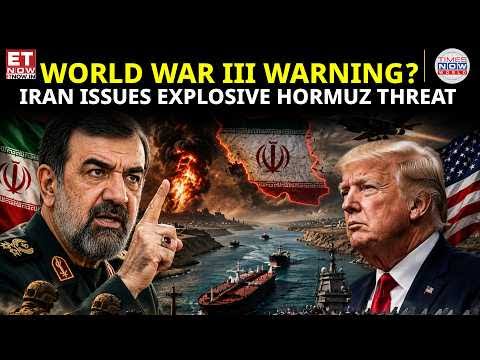
One of the biggest concerns surrounding Mojtaba Khamenei’s leadership is the fate of the Strait of Hormuz, the world’s most important oil shipping route.
The narrow waterway connects the Persian Gulf to global markets and carries roughly one-fifth of the world’s oil supply.
In one of his first public messages, Mojtaba Khamenei warned that the strait could remain closed during the conflict, sending shockwaves through energy markets.
Even temporary disruption in the strait can cause dramatic price spikes.
Oil prices have already surged above $100 per barrel as fears of supply disruptions spread globally.
For many countries, especially energy-dependent economies, the situation poses a major economic threat.
Global Oil Shock and Energy Market Turmoil
Energy markets reacted immediately to the leadership transition and military escalation.
Traders worry that Iran could:
Disrupt tanker traffic
Target regional oil infrastructure
Expand the war into neighboring Gulf states
These risks have already pushed global crude prices sharply higher.
The Brent crude benchmark crossed the symbolic $100 per barrel level, triggering fears of a new global energy crisis similar to those seen in the 1970s oil shocks.
Countries heavily reliant on imported energy—including parts of Europe and Asia—are especially vulnerable.
Iran’s Political System Under Mojtaba Khamenei
The position of supreme leader is the most powerful role in Iran.
The leader controls:
Military forces
Intelligence services
Foreign policy
The judiciary
State media
Because of these powers, Mojtaba Khamenei now holds enormous influence over Iran’s political and strategic direction.
Some analysts believe his leadership could strengthen the dominance of security institutions like the Islamic Revolutionary Guard Corps, which already plays a major role in Iran’s economy and military operations.
Others worry that his appointment signals a shift toward hereditary leadership within the Islamic Republic.
Controversy Surrounding the Succession
Mojtaba Khamenei’s rise has been controversial both inside and outside Iran.
Critics argue that transferring power from father to son resembles a political dynasty rather than a religious selection process.
Some Iranian clerics reportedly opposed his candidacy, questioning whether he had the religious credentials needed for the role.
There are also allegations that the Islamic Revolutionary Guard Corps pressured members of the Assembly of Experts to support him during the vote.
These controversies have intensified debate about the legitimacy of the new leader.
Internal Challenges Facing the New Leader
Mojtaba Khamenei takes power at a time when Iran faces multiple internal crises.
These include:
Economic Pressure
International sanctions have severely damaged Iran’s economy.
Public Discontent
Mass protests have erupted in recent years over political repression and economic hardship.
War Costs
The ongoing regional conflict is placing additional strain on the country’s resources.
Balancing these challenges while maintaining political stability will be one of Mojtaba’s biggest tests as leader.
International Reaction to the Leadership Change
The international response to Mojtaba Khamenei’s appointment has been mixed.
Western governments have expressed concern about the potential for further escalation in the Middle East.
Meanwhile, Iran’s allies have signaled support for the new leadership.
The leadership transition has also intensified political debates in Washington about how to respond to the crisis.
Former U.S. president Donald Trump reportedly questioned Iran’s leadership situation and warned about the risks of further escalation.
With tensions already high, any miscalculation could lead to a broader regional conflict.
Could the War Expand?
Military analysts warn that the conflict surrounding Iran could widen rapidly.
Possible scenarios include:
Direct clashes between Iran and Israel
Naval confrontations in the Persian Gulf
Missile strikes across the Middle East
Cyber warfare targeting energy infrastructure
If these developments occur, global economic and political consequences could be severe.
The Future of Iran Under Mojtaba Khamenei
Predicting Iran’s trajectory under Mojtaba Khamenei remains difficult.
However, experts outline several possible paths:
Hardline Consolidation
Iran may double down on its confrontational foreign policy.
Military-Dominated State
The IRGC could become even more influential in governing the country.
Economic Crisis
Sanctions and war spending could deepen Iran’s financial challenges.
Political Instability
Internal dissent could grow if economic conditions worsen.
Each of these outcomes would have major implications for global politics.
Why the World Is Watching Closely
The leadership change in Iran comes at a moment of extraordinary geopolitical tension.
Iran sits at the center of multiple global issues, including:
Nuclear diplomacy
Middle East security
Global oil supply
Regional proxy conflicts
Because of this, the rise of Mojtaba Khamenei is not just a domestic Iranian story—it is a global one.
Decisions made in Tehran in the coming months could shape energy prices, military alliances, and geopolitical stability worldwide.
Conclusion
The emergence of Mojtaba Khamenei as Iran’s new supreme leader marks a historic turning point for the Islamic Republic.
His appointment during a regional war, combined with rising tensions in the Strait of Hormuz, has created one of the most volatile geopolitical moments in recent years.
With oil markets already reacting and military tensions escalating, the world is closely watching how Iran’s new leader will navigate the crisis.
Whether Mojtaba Khamenei chooses confrontation or diplomacy could determine the future of the Middle East—and the stability of the global economy.
FAQs
Who is Mojtaba Khamenei?
Mojtaba Khamenei is the son of former Iranian supreme leader Ali Khamenei and was elected as Iran’s new supreme leader in 2026.
Why did Mojtaba Khamenei become supreme leader?
He was chosen by Iran’s Assembly of Experts following the death of his father during the ongoing regional conflict.
What is the Strait of Hormuz oil shock?
The Strait of Hormuz is a key global oil route. Threats to close it during the war caused oil prices to surge past $100 per barrel.
How powerful is Iran’s supreme leader?
The supreme leader controls Iran’s military, foreign policy, judiciary, and major political institutions.
Could the Iran conflict affect global oil prices?
Yes. Disruption in the Strait of Hormuz could significantly impact global energy supplies and drive oil prices higher.
How useful was this post?
Click on a star to rate it!
Average rating 0 / 5. Vote count: 0
No votes so far! Be the first to rate this post.
About the Author

usa5911.com
Administrator
Hi, I’m Gurdeep Singh, a professional content writer from India with over 3 years of experience in the field. I specialize in covering U.S. politics, delivering timely and engaging content tailored specifically for an American audience. Along with my dedicated team, we track and report on all the latest political trends, news, and in-depth analysis shaping the United States today. Our goal is to provide clear, factual, and compelling content that keeps readers informed and engaged with the ever-changing political landscape.