KC-135 Crash : US tanker down in Iraq, 6 airmen dead, war mission tragedy
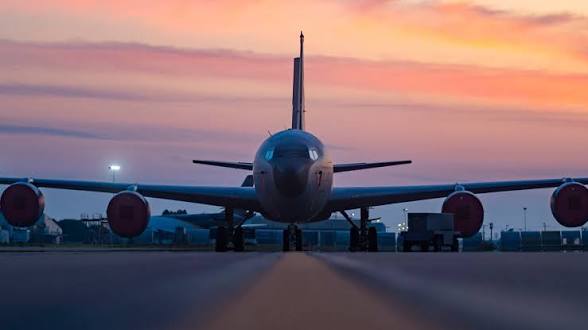
A devastating KC-135 crash in Iraq has shocked the U.S. military and drawn global attention to the risks faced by aircrews in combat zones. The aerial refueling tanker, a Boeing KC-135 Stratotanker, went down during a mission over western Iraq, killing all six American airmen on board.
The tragedy occurred amid heightened military operations in the Middle East and has triggered an urgent investigation by U.S. defense authorities. Officials confirmed that the aircraft was operating in “friendly airspace” when the accident happened, though the precise cause remains under review.
The loss of the aircraft and its crew highlights the dangers of modern aerial warfare—even in missions that support other aircraft rather than directly engaging the enemy.
What Happened in the KC-135 Crash in Iraq
According to the United States Central Command (CENTCOM), the tanker crashed on March 12, 2026, during a combat support operation in western Iraq. Initial reports suggested that some crew members might have survived, but authorities later confirmed that all six airmen were killed in the crash.
The aircraft was part of a mission supporting air operations linked to the escalating regional conflict involving Iran and U.S. forces.
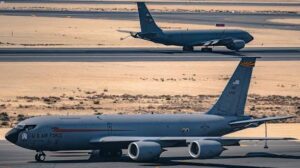
Military officials revealed that two refueling tankers were involved in the mission, and the second aircraft was able to land safely. Investigators are examining whether the crash may have resulted from a mid-air incident between the two planes or another operational factor.
Early statements from U.S. authorities emphasized that the crash was not caused by hostile or friendly fire, though the final cause will only be determined after a full investigation.
Six Airmen Killed in the Tanker Disaster
The KC-135 typically carries a crew of several specialists responsible for navigation, flight operations, and the refueling boom system.
While the U.S. military has confirmed that six American service members died in the crash, the identities of the victims have not yet been released publicly. Officials are waiting until the families of the fallen airmen have been notified.
The deaths represent a painful reminder of the human cost of military operations, particularly during complex missions that require precise coordination in the air.
In recent weeks, the Middle East conflict has already led to casualties among U.S. troops, and the tanker crash adds to the growing toll of the ongoing war effort.
The Role of the KC-135 Stratotanker in Combat Operations
The Boeing KC-135 Stratotanker is one of the most important aircraft in the U.S. Air Force fleet.
Introduced in the late 1950s, the KC-135 allows fighter jets, bombers, and surveillance aircraft to refuel mid-air, dramatically extending their range and endurance.
Without tanker aircraft like the KC-135, many long-distance combat missions would be impossible.
Key capabilities of the KC-135 include:
Aerial refueling for multiple aircraft types
Long-range flight support
Strategic air mobility operations
Support for reconnaissance and surveillance missions
Because refueling operations occur while both aircraft are flying at high speeds, the process requires exceptional skill and coordination.
Even minor errors or technical issues during aerial refueling can lead to catastrophic consequences.
Possible Causes Under Investigation
Investigators from the U.S. Air Force and defense agencies have begun analyzing the crash.
Several possible factors may be considered:
1. Mid-Air Incident
Reports indicate the crashed tanker may have been operating near another KC-135 during the mission. Authorities are examining whether turbulence, wake effects, or contact between aircraft could have played a role.
2. Mechanical Failure
Like all aircraft, tankers rely on complex mechanical systems. Investigators will inspect engines, flight controls, and structural components to determine whether a malfunction occurred.
3. Operational Conditions
Combat missions often involve high-stress conditions, night operations, and rapid maneuvering. These factors can increase the risk of accidents.
4. Weather and Visibility
Weather conditions at the time of the crash will also be reviewed as part of the investigation.
At this stage, officials have emphasized that the cause remains unknown.
Claims by Iran-Backed Militias
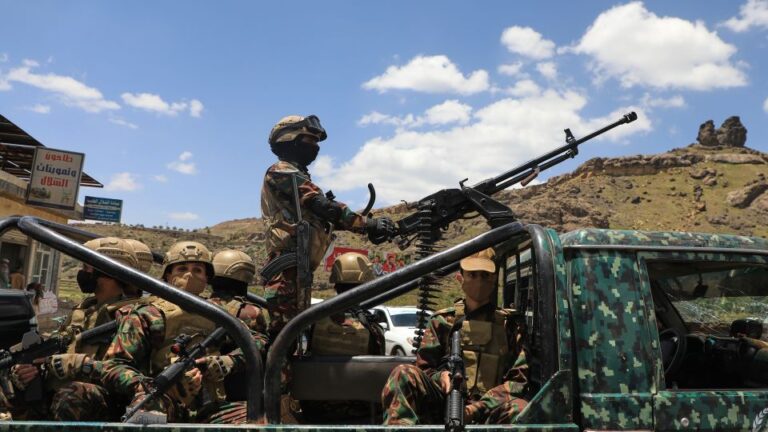
Shortly after the crash, an armed coalition known as the Islamic Resistance in Iraq claimed responsibility for shooting down the aircraft.
However, U.S. military officials have not confirmed that the plane was attacked, and early assessments suggest the crash was not caused by hostile action.
Defense analysts say such claims by militant groups are common during conflicts and do not necessarily reflect the real cause of an incident.
Investigators will rely on flight data, radar records, and debris analysis to determine whether the aircraft suffered an attack or mechanical failure.
The Broader Conflict Context
The KC-135 crash occurred during a period of intense military activity in the Middle East.
Since late February 2026, U.S. and allied forces have launched thousands of airstrikes targeting Iranian missile and drone facilities. These operations involve:
Fighter jets
Bombers
surveillance aircraft
aerial refueling tankers
Aerial refueling plays a crucial role in these missions, allowing aircraft to remain in the air for extended periods.
More than 50,000 U.S. troops are reportedly involved in the broader regional conflict.
The tanker crash therefore occurred during a particularly demanding operational period for U.S. forces.
Why Aerial Refueling Missions Are Dangerous
While aerial refueling is routine for military pilots, it remains one of the most technically demanding tasks in aviation.
During refueling:
Two aircraft fly extremely close together.
The tanker extends a refueling boom.
The receiving aircraft connects to the boom.
Fuel is transferred while both planes maintain stable formation.
Even small changes in airflow or pilot input can affect stability.
Historical records show that mid-air collisions and turbulence have contributed to past tanker accidents.
Because of these risks, tanker crews undergo extensive training before being assigned to operational missions.
History of KC-135 Incidents
The KC-135 Stratotanker has been in service for more than six decades, making it one of the longest-serving aircraft in the U.S. Air Force.
Despite its reliability, the aircraft has experienced occasional accidents over the years.
For example:
A 2013 crash in Kyrgyzstan killed three crew members after the aircraft broke apart mid-air due to flight-control problems.
Earlier incidents involved engine failures, collisions, or structural stress during flight.
However, such events remain relatively rare considering the enormous number of missions flown by KC-135 crews worldwide.
Military and Government Reactions
Senior defense officials expressed deep condolences to the families of the fallen airmen.
A Pentagon spokesperson described the loss as “a heartbreaking tragedy for the Air Force community.”
Military leaders emphasized that tanker crews play a critical role in enabling combat operations and often operate behind the scenes.
Investigators are expected to release more details once the crash site has been secured and the wreckage examined.
Recovery and Investigation Efforts
Recovery teams have been deployed to the crash site in western Iraq to collect debris and analyze the aircraft’s components.
The investigation will likely include:
Flight recorder analysis
Radar tracking data
communication logs
structural examination of the wreckage
These steps are standard in military aviation accident investigations.
Experts say determining the cause may take weeks or even months.
The Human Cost of Military Aviation
For many Americans, the KC-135 crash highlights the often-overlooked dangers faced by military aviators.
Unlike frontline fighter pilots, tanker crews rarely receive public attention. Yet their missions are essential for enabling long-range strikes, surveillance flights, and humanitarian operations.
The loss of six airmen therefore represents not only a military setback but also a deeply personal tragedy for families and colleagues.
Global Reaction
News of the crash quickly spread worldwide, prompting reactions from governments, analysts, and defense experts.
Aviation specialists say the incident underscores the complexity of modern warfare and the challenges of coordinating multiple aircraft in contested regions.
Security experts also warn that as conflicts intensify, operational risks for aircrews inevitably rise.
What Happens Next
The next phase of the investigation will focus on identifying the technical cause of the crash.
Key questions include:
Did the aircraft suffer a mechanical failure?
Was there a mid-air collision or turbulence event?
Did operational conditions contribute to the accident?
Until investigators complete their work, many of these questions will remain unanswered.
Conclusion
The KC-135 crash in Iraq marks one of the deadliest recent incidents involving a U.S. military aircraft.
The loss of six airmen serves as a stark reminder of the risks faced by those serving in combat support roles. As investigators search for answers, the U.S. military and the families of the fallen crew members are left mourning a tragic loss.
While aerial refueling operations are critical for modern warfare, this disaster demonstrates that even highly experienced crews and reliable aircraft can face unforeseen dangers.
The final investigation report will likely shape future safety measures and operational procedures, helping ensure that such tragedies become even rarer in the future.
FAQs
What happened in the KC-135 crash in Iraq?
A U.S. Air Force KC-135 refueling tanker crashed in western Iraq during a combat support mission, killing all six airmen aboard.
When did the KC-135 crash occur?
The crash happened on March 12, 2026, during an aerial mission in “friendly airspace” over Iraq.
How many people died in the tanker crash?
All six crew members on the aircraft were confirmed dead by U.S. military officials.
Was the KC-135 shot down?
Officials say early evidence suggests the crash was not caused by hostile fire, although an investigation is ongoing.
What is the KC-135 Stratotanker used for?
The KC-135 is an aerial refueling aircraft that allows fighter jets and bombers to refuel mid-air, extending their mission range.
Is the cause of the crash known?
No. The U.S. military has launched a formal investigation, and the cause has not yet been determined.
How useful was this post?
Click on a star to rate it!
Average rating 0 / 5. Vote count: 0
No votes so far! Be the first to rate this post.
About the Author

usa5911.com
Administrator
Hi, I’m Gurdeep Singh, a professional content writer from India with over 3 years of experience in the field. I specialize in covering U.S. politics, delivering timely and engaging content tailored specifically for an American audience. Along with my dedicated team, we track and report on all the latest political trends, news, and in-depth analysis shaping the United States today. Our goal is to provide clear, factual, and compelling content that keeps readers informed and engaged with the ever-changing political landscape.