DCA Airport Alert : Evacuation, Suspicious Package, Washington Security
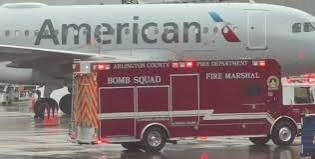
A sudden DCA Airport alert caused concern among travelers after authorities evacuated part of the airport following the discovery of a suspicious package. The incident unfolded at Ronald Reagan Washington National Airport, one of the busiest airports serving the Washington, D.C. metropolitan region.
Airport security teams, police officers, and emergency responders quickly responded to the situation, temporarily clearing passengers from a section of the airport while experts investigated the suspicious item. The alert led to delays, security checks, and heightened vigilance across the facility.
This article explains what triggered the DCA Airport alert, how authorities handled the evacuation, and what the event reveals about airport security procedures in the United States.
What Happened During the DCA Airport Alert

The DCA Airport alert began when airport staff discovered a suspicious package inside a break room located in Concourse D. Authorities reported the item around 9:00 a.m., prompting immediate action from airport police and emergency responders.
Once the item was identified as potentially suspicious, security officials initiated an evacuation protocol. Passengers and airport personnel were moved away from the area while police established a security perimeter.
Officials from the airport authority confirmed that the evacuation was conducted out of an abundance of caution. Safety procedures required clearing nearby areas to ensure that travelers and employees remained safe while investigators examined the object.
Authorities later confirmed that the item was cleared after a detailed security inspection by the Arlington County Fire Department, allowing normal operations to gradually resume.
Although the situation ended without a major threat, the DCA Airport alert highlighted the strict security protocols in place at major U.S. airports.
Location of the Incident: Concourse D
The suspicious package was discovered in Concourse D, part of Terminal 2 at Ronald Reagan Washington National Airport.
This concourse primarily serves flights operated by American Airlines, making it a busy area for both domestic travelers and airport staff.
Because of its heavy passenger traffic, authorities moved quickly to evacuate the concourse. Security teams restricted access and prevented travelers from entering the area while the investigation was underway.
Witnesses reported seeing police officers and emergency responders arriving within minutes after the alert. Bomb detection teams and specialized equipment were deployed to inspect the package.
Flight Delays and Airport Impact
The DCA Airport alert caused significant disruption to airport operations. Flight tracking services reported delays affecting more than 100 flights during the investigation.
Several factors contributed to these disruptions:
Passenger evacuation from Concourse D
Temporary security lockdown
Safety inspections conducted by bomb technicians
Airline gate changes and operational adjustments
Travelers were advised to check their flight status and confirm gate assignments with their airlines before heading to the airport.
Despite the delays, airport officials worked quickly to restore normal operations once the suspicious item was cleared.
Emergency Response and Security Measures
The response to the DCA Airport alert demonstrated how multiple agencies coordinate during potential security threats.
Authorities involved included:
Airport police
Local law enforcement
Emergency medical responders
Fire department bomb investigation teams
The response followed a standard airport security threat protocol, which includes several key steps:
Identifying and isolating the suspicious item
Establishing a safety perimeter
Evacuating nearby passengers and staff
Deploying bomb technicians and detection equipment
Inspecting and neutralizing the item
These procedures ensure that any potential threat is handled quickly and safely.
Why Airports Take Suspicious Packages Seriously
Airports worldwide maintain strict security policies when dealing with suspicious items. Even a harmless object can trigger a large-scale evacuation because authorities cannot take risks in aviation environments.
Reasons for strict protocols include:
Passenger Safety
Airports serve thousands of passengers daily, making safety the highest priority.
Terrorism Prevention
Since aviation has historically been a target for attacks, security agencies treat all threats seriously.
International Aviation Rules
Airports must comply with strict guidelines from aviation authorities and national security agencies.
Rapid Threat Assessment
Immediate evacuation helps authorities safely assess any potential danger.
These measures help ensure that air travel remains one of the safest transportation systems in the world.
Security Around Washington’s National Airport
Security is especially tight around Washington, D.C., due to the presence of federal institutions, government buildings, and political leadership.
The Ronald Reagan Washington National Airport operates within restricted airspace designed to protect important government sites.
Flights arriving or departing from the airport must follow special routes along the Potomac River corridor, and security oversight is often stricter than at many other U.S. airports.
Because of these conditions, even minor alerts can trigger significant security responses.
Passenger Experiences During the Evacuation
Travelers inside the airport described moments of confusion when the evacuation order was announced.
Many passengers were asked to leave their boarding gates and move toward safer areas inside the terminal. Airport announcements and staff members guided travelers away from the concourse.
Despite the initial uncertainty, most passengers reported that airport personnel handled the situation professionally and quickly.
Some travelers said the evacuation lasted about an hour before authorities gave the all-clear signal.
Role of Airport Security Agencies
Several agencies are responsible for protecting airport security in the United States. These organizations work together to manage incidents such as the DCA Airport alert.
Key agencies include:
Transportation Security Administration
The Transportation Security Administration oversees passenger screening and airport security procedures.
Federal Aviation Administration
The Federal Aviation Administration regulates aviation safety and manages air traffic.
Local Law Enforcement
Airport police and regional emergency responders play a crucial role during on-site incidents.
Homeland Security
The Department of Homeland Security coordinates national aviation security strategies.
Together, these agencies maintain strict safety standards at U.S. airports.
Airport Security Incidents in Recent Years
Security alerts at airports are not uncommon. Many of them turn out to be false alarms caused by unattended luggage or misplaced personal items.
Examples include:
Suspicious bags left near security checkpoints
Unattended luggage in terminals
Items flagged during security screening
Although most incidents do not involve actual threats, authorities treat every alert seriously.
These responses help maintain public trust in aviation safety.
How Travelers Should Respond to Airport Alerts
Travelers who experience an airport evacuation or security alert should remain calm and follow instructions from airport staff.
Helpful tips include:
Follow Instructions Immediately
Security teams are trained to manage emergency situations safely.
Stay Updated on Flight Status
Check airline apps or airport displays for updates.
Avoid Restricted Areas
Do not attempt to return to evacuated zones until authorities give clearance.
Allow Extra Travel Time
Security incidents can cause delays and gate changes.
By cooperating with authorities, passengers can help ensure smooth and safe airport operations.
The Importance of Aviation Security
Incidents like the DCA Airport alert remind travelers that aviation security systems are constantly active.
Airports operate complex security networks that include:
Surveillance systems
Explosive detection equipment
Security patrols
Intelligence monitoring
These systems work together to detect potential threats before they can endanger passengers.
Even when an alert turns out to be harmless, the rapid response demonstrates how seriously aviation safety is taken.
Conclusion
The DCA Airport alert involving a suspicious package caused a temporary evacuation and flight delays at Ronald Reagan Washington National Airport. Authorities quickly responded by securing the area, evacuating passengers, and conducting a detailed inspection.
Fortunately, the suspicious item was cleared and airport operations resumed shortly afterward. However, the incident highlights the importance of strict security measures in modern aviation.
For travelers, the event serves as a reminder that safety procedures—even when inconvenient—play a vital role in protecting millions of passengers every day.
FAQs
What caused the DCA Airport alert?
The alert was triggered after a suspicious package was discovered in a break room inside Concourse D at Ronald Reagan Washington National Airport.
Was the suspicious package dangerous?
Authorities later cleared the item after inspection and confirmed that it did not pose a threat.
Did the DCA Airport alert cause flight delays?
Yes. More than 100 flights experienced delays while authorities investigated the suspicious item.
Which part of the airport was evacuated?
Passengers were evacuated from Concourse D in Terminal 2.
Is DCA Airport safe for travelers?
Yes. U.S. airports maintain strict security protocols to protect passengers and respond quickly to potential threats.
How useful was this post?
Click on a star to rate it!
Average rating 0 / 5. Vote count: 0
No votes so far! Be the first to rate this post.
About the Author

usa5911.com
Administrator
Hi, I’m Gurdeep Singh, a professional content writer from India with over 3 years of experience in the field. I specialize in covering U.S. politics, delivering timely and engaging content tailored specifically for an American audience. Along with my dedicated team, we track and report on all the latest political trends, news, and in-depth analysis shaping the United States today. Our goal is to provide clear, factual, and compelling content that keeps readers informed and engaged with the ever-changing political landscape.