Kneecap : Irish rap controversy, political lyrics, media backlash
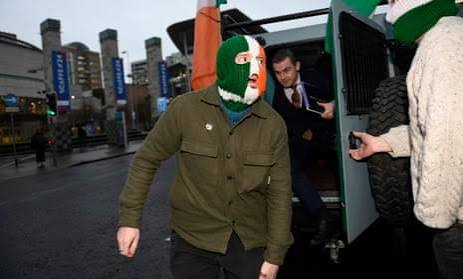
The Irish rap group Kneecap has become one of the most talked-about musical acts in recent years. Known for their outspoken political lyrics, provocative performances, and unapologetic cultural commentary, the trio has generated global headlines and heated debate. Supporters praise the group for defending artistic freedom and promoting the Irish language, while critics accuse them of glorifying extremist politics and stirring division.
From festival controversies to legal battles, the Kneecap story reveals how music, politics, and activism can collide in the modern media landscape. The group’s rise from underground Irish-language rap to international recognition highlights both the power and risks of politically charged art.
This article explores the origins of Kneecap, their political themes, the controversies surrounding them, and why their music continues to spark intense debate worldwide.
Who Are Kneecap?

Kneecap is a hip-hop trio from Northern Ireland composed of Mo Chara, Móglaí Bap, and DJ Próvaí. The group emerged in the late 2010s and quickly gained attention for blending Irish-language rap with politically provocative themes.
The band’s name itself references “kneecapping,” a punishment historically associated with paramilitary groups during the Northern Ireland conflict known as the Troubles. The name is intentionally ironic and controversial, reflecting the group’s rebellious artistic style.
The trio’s music mixes:
Irish language rap
Satirical political commentary
Working-class identity themes
References to Northern Ireland’s complex history
Their first major single “C.E.A.R.T.A.” helped establish their reputation for combining cultural pride with activism. The song’s title means “rights” in Irish, highlighting their ongoing focus on language and identity.
Over time, Kneecap’s popularity expanded beyond Ireland, reaching audiences in the UK, Europe, and the United States.
The Rise of Irish-Language Rap
One of Kneecap’s most unique contributions to music is their use of the Irish language in hip-hop. Historically, Irish was associated more with traditional culture than modern genres like rap. Kneecap challenged that perception by turning the language into a vehicle for youth culture and political expression.
Their music connects with younger listeners who see the Irish language as part of modern identity rather than only historical heritage.
Key elements of their style include:
Mixing Irish and English slang
Humorous political satire
Storytelling about life in Belfast and Derry
Criticism of social and political systems
As their audience grew, the band became symbols of a broader movement to revive Irish language culture among younger generations.
However, their provocative messaging ensured that controversy followed closely behind their success.
Political Themes in Kneecap’s Music
Kneecap’s lyrics frequently address sensitive political issues, especially those connected to Northern Ireland’s history.
The group openly associates with Irish republican ideology, which supports a united Ireland and opposes British rule in Northern Ireland.
Their songs and imagery often reference:
British government policies
Police and security forces
Social inequality
Post-conflict Northern Ireland politics
In one of their most controversial songs, they use the slogan “Get Your Brits Out,” referencing historical anti-British sentiments in Ireland.
The group insists that their work is satire and cultural commentary rather than literal political propaganda.
Still, their style deliberately blurs the line between art, activism, and provocation.
The Palestine Solidarity Debate
In recent years, Kneecap has become increasingly vocal about international political issues, particularly the Israeli-Palestinian conflict.
The band has publicly expressed support for Palestinian self-determination and has displayed Palestinian flags during concerts.
During a major festival performance in the United States, the group displayed messages criticizing Israeli policies in Gaza. These statements drew global media attention and sparked debate about whether musicians should take such explicit political positions.
Supporters praised the group for using their platform to raise awareness about global issues.
Critics argued that their messaging was overly inflammatory and divisive.
This controversy significantly increased the group’s global visibility.
Legal Controversy and Terrorism Allegations
The most serious controversy involving Kneecap emerged when member Liam Óg Ó hAnnaidh (Mo Chara) faced legal action related to a 2024 concert in London.
Prosecutors accused him of displaying a Hezbollah flag during the performance, which led to terrorism-related charges under UK law. However, the case was later dismissed due to procedural issues.
In 2026, a court confirmed that the rapper would not face a terrorism trial, as prosecutors had failed to obtain the required legal authorization within the statutory timeframe.
The band argued that the case was politically motivated and linked to their outspoken views on Palestine.
The incident intensified global media attention and triggered wider discussions about free speech and political expression in music.
Concert Backlash and Political Criticism
Kneecap’s performances have repeatedly sparked political backlash.
Some politicians and public figures have called for the band to be banned from major festivals or denied government funding due to their controversial messages.
For example:
Calls were made to block the band from performing at major events.
Some governments reconsidered arts funding tied to the group.
Immigration authorities in certain countries restricted their entry.
Supporters, including artists and activists, have defended the band, arguing that controversial art should not be censored.
The debate has highlighted broader tensions between cultural expression and political responsibility.
Media Backlash and Public Debate
The Kneecap controversy has triggered a wider media debate about artistic freedom.
Critics argue that:
Their lyrics sometimes appear to glorify militant groups.
Their imagery can be provocative in a post-conflict society.
Political messaging in music can inflame tensions.
Supporters counter that:
Hip-hop has always been political.
Satire and shock value are central to the genre.
Attempts to silence the band amount to censorship.
Some commentators say the debate reveals hypocrisy on both sides of the political spectrum when it comes to free speech and cancel culture.
Cultural Impact of Kneecap
Despite the controversies, Kneecap’s cultural impact is undeniable.
The band has achieved several milestones:
International festival appearances
Global streaming success
An autobiographical film release
A growing fan base among younger audiences
Their 2024 debut album “Fine Art” further expanded their reach and solidified their reputation as one of the most provocative acts in modern hip-hop.
Beyond music, the group has become symbolic of a new wave of Irish cultural identity that blends tradition with modern youth culture.
The Debate Over Free Speech in Music
Kneecap’s story raises a fundamental question: How far should artistic freedom go?
Music has historically served as a platform for political protest.
Examples include:
Protest folk music in the 1960s
Punk’s anti-establishment messages
Hip-hop’s commentary on social inequality
Kneecap fits into this tradition but pushes boundaries further with deliberately provocative language and imagery.
For some, the band represents fearless cultural expression.
For others, they cross a line into irresponsible political messaging.
This tension continues to shape the global conversation around the group.
Why Kneecap Remains in the Spotlight
Several factors keep Kneecap in the headlines:
Political lyrics addressing controversial issues
International performances bringing their message to new audiences
Legal disputes attracting media attention
Cultural symbolism tied to Irish language activism
In many ways, controversy has become part of the band’s identity.
Their ability to provoke debate ensures that their music remains widely discussed—even among people who have never listened to their songs.
The Future of Kneecap
Looking ahead, Kneecap shows no sign of retreating from controversy.
The band has repeatedly stated that they will continue addressing political issues through their music and public statements.
As global tensions and political debates continue, their outspoken style is likely to keep them at the center of media attention.
Whether viewed as provocative artists or political agitators, Kneecap has already secured a unique place in modern music culture.
Conclusion
Kneecap’s rise from underground Irish-language rap to international fame demonstrates how music can become a powerful political platform.
Their work blends satire, activism, and cultural identity in a way that resonates strongly with some audiences while deeply offending others.
The controversies surrounding the band—from political lyrics to legal battles—reflect broader debates about free speech, artistic expression, and the role of musicians in political discourse.
Regardless of where people stand in the debate, one thing is clear: Kneecap has transformed from a niche rap group into a global cultural phenomenon.
And as long as their music continues to challenge political norms, the conversation around them is unlikely to end anytime soon.
FAQs
1. Who are Kneecap?
Kneecap is a Northern Irish rap trio consisting of Mo Chara, Móglaí Bap, and DJ Próvaí. They are known for Irish-language hip-hop and politically charged lyrics.
2. Why is Kneecap controversial?
The group is controversial due to its political messaging, references to Irish republicanism, and outspoken positions on international issues like Palestine.
3. What was the terrorism case involving Kneecap?
A member of the band faced terrorism-related charges after allegedly displaying a Hezbollah flag at a concert, but the case was dismissed due to legal technicalities.
4. What language does Kneecap rap in?
Kneecap primarily performs in the Irish language, often mixing it with English slang and hip-hop vocabulary.
5. What political views does Kneecap express?
The group often expresses Irish republican views, supports Palestinian rights, and criticizes British government policies.
How useful was this post?
Click on a star to rate it!
Average rating 0 / 5. Vote count: 0
No votes so far! Be the first to rate this post.
About the Author

usa5911.com
Administrator
Hi, I’m Gurdeep Singh, a professional content writer from India with over 3 years of experience in the field. I specialize in covering U.S. politics, delivering timely and engaging content tailored specifically for an American audience. Along with my dedicated team, we track and report on all the latest political trends, news, and in-depth analysis shaping the United States today. Our goal is to provide clear, factual, and compelling content that keeps readers informed and engaged with the ever-changing political landscape.