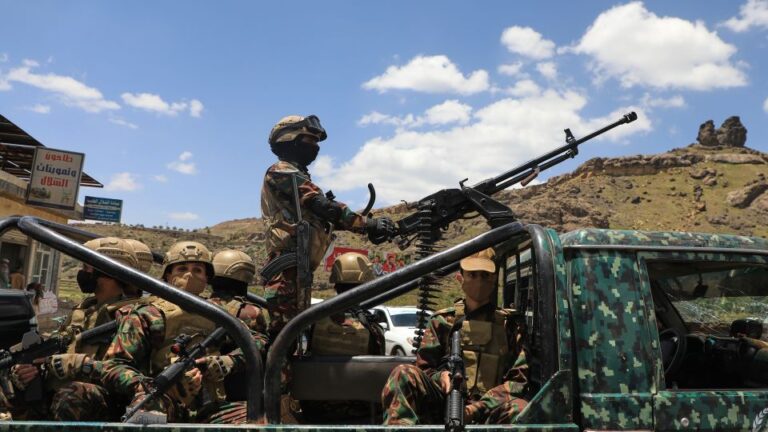
Stryker : US armored vehicle delivery, military upgrade, global defense push
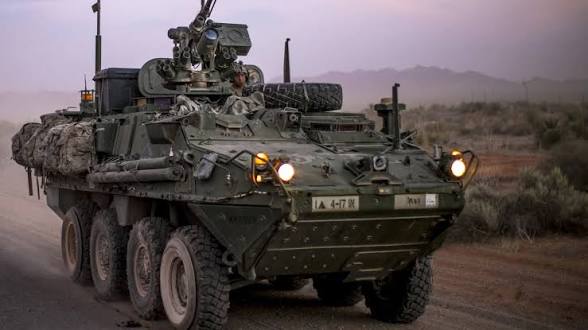
Modern warfare increasingly relies on mobile, protected, and technologically advanced vehicles. Among the most prominent examples is the Stryker armored vehicle, a highly versatile combat platform used by the United States Army and several allied forces.
Originally designed as part of a modernization program, the Stryker has become a cornerstone of medium-weight mechanized forces. With ongoing upgrades, global deliveries, and new production partnerships, the vehicle represents a key element of the United States’ broader defense strategy.
Today, the Stryker armored vehicle is not only a battlefield transport but also a symbol of military modernization and global defense cooperation.
What Is the Stryker Armored Vehicle?

The Stryker is a family of eight-wheeled armored fighting vehicles designed to provide mobility, protection, and firepower for mechanized infantry units. Introduced in the early 2000s, the platform was built to bridge the gap between heavy tanks and light infantry vehicles.
Unlike tracked vehicles, the Stryker uses an 8×8 wheeled design, allowing it to move quickly on roads and in urban environments while still providing armored protection for troops.
Key Specifications
Typical specifications of the Stryker platform include:
Crew: 2–3 personnel
Troop capacity: Up to 9 infantry soldiers
Weight: Around 16–20 tons depending on variant
Engine: 350-horsepower diesel engine
Top speed: About 97–100 km/h
Range: Approximately 500 km
The vehicle provides protection against 14.5 mm armor-piercing rounds and artillery fragments, thanks to reinforced steel armor and optional ceramic armor kits.
The Role of Stryker Brigade Combat Teams
The Stryker armored vehicle is central to the operations of Stryker Brigade Combat Teams (SBCTs) within the U.S. Army.
These units are designed to deploy rapidly and operate in diverse combat environments. The Stryker platform allows soldiers to move quickly across the battlefield while maintaining protection from small arms fire, mines, and improvised explosive devices (IEDs).
Over the years, Stryker brigades have been deployed in major conflicts including:
Iraq
Afghanistan
NATO training operations in Europe
Combat experience led to numerous improvements, including enhanced hull designs to deflect explosive blasts.
Major Upgrades to the Stryker Platform
The Stryker program has undergone multiple modernization phases. These upgrades aim to improve survivability, firepower, and digital connectivity on the battlefield.
1. Double-V Hull Protection
One of the most significant improvements is the Double-V Hull (DVH) design.
This structure redirects explosive force away from the vehicle and passengers, dramatically reducing casualties from roadside bombs.
The upgrade was introduced after lessons learned from conflicts in Iraq and Afghanistan.
2. Enhanced Firepower
Modern Stryker variants include improved weapon systems.
Examples include:
30mm autocannon systems
.50 caliber machine guns
40mm grenade launchers
These upgrades allow Stryker units to engage targets at longer distances and with greater precision.
3. Advanced Sensors and Digital Systems
Newer models include advanced optics and battlefield networking systems.
These technologies enable:
Improved night-time combat capability
Real-time battlefield awareness
Integration with other military systems
Such capabilities help commanders coordinate operations more efficiently.
Multiple Variants of the Stryker
One of the biggest advantages of the Stryker platform is its modular design. The vehicle can be configured for numerous combat roles.
Some key variants include:
Infantry Carrier Vehicle (ICV)
The primary troop transport version, responsible for moving infantry soldiers safely to combat zones.
Fire Support Vehicle (FSV)
Designed to identify targets and coordinate artillery or air support during combat operations.
Medical Evacuation Vehicle (MEV)
Used for battlefield medical treatment and casualty evacuation. It can carry up to six injured personnel.
Reconnaissance Vehicle
Provides intelligence and surveillance capabilities during missions.
Anti-Tank Guided Missile Carrier
Equipped with missile systems to destroy enemy armored vehicles.
Global Deployment of the Stryker
Although primarily used by the United States, the Stryker armored vehicle is increasingly becoming part of international defense partnerships.
Countries that have acquired or evaluated the vehicle include:
Thailand
Argentina
NATO partner nations
For example, the Argentine Army recently received its first Stryker vehicles, marking a major modernization step for its armored forces.
Similarly, the Royal Thai Army has purchased multiple batches of Stryker infantry carriers, demonstrating growing international demand for the platform.
India and the Stryker Production Partnership
One of the most significant developments in the Stryker program is the U.S.–India defense partnership.
Under a proposed agreement, India may become the first foreign country to manufacture Stryker armored vehicles locally.
This initiative aims to:
Strengthen defense cooperation
Boost local military production
Adapt the vehicle for high-altitude operations
Officials have described the partnership as a major step toward deeper defense collaboration between the two nations.
Why the Stryker Matters in Modern Warfare
Modern battlefields require a balance between mobility, protection, and firepower.
Heavy tanks provide strong armor but are slower to deploy. Light vehicles are fast but vulnerable to attack.
The Stryker fills the middle ground.
Key Advantages
Rapid Deployment
Wheeled vehicles can travel long distances without transport.
Operational Flexibility
The modular design allows multiple combat roles.
Urban Combat Capability
The vehicle is highly effective in city environments.
Lower Maintenance Costs
Wheeled platforms are cheaper to maintain compared to tracked vehicles.
Challenges and Limitations
Despite its strengths, the Stryker armored vehicle has some limitations.
Off-Road Mobility
Tracked vehicles often perform better in extremely rough terrain.
Amphibious Capability
The Stryker cannot swim like some armored personnel carriers.
Weight Increase
Upgrades such as additional armor and weapon systems can increase the vehicle’s weight.
However, military planners continue to improve the design to address these issues.
The Future of the Stryker Program
The U.S. military is investing heavily in next-generation Stryker upgrades.
Future improvements may include:
Active protection systems to intercept incoming missiles
Artificial intelligence-based battlefield systems
Advanced electronic warfare capabilities
Improved hybrid or electric propulsion
These upgrades will ensure the platform remains relevant in future conflicts.
Stryker and the Global Defense Push
The increasing demand for the Stryker reflects a broader global trend.
Many countries are modernizing their armed forces with mobile armored vehicles capable of rapid deployment.
For the United States, exporting and partnering on defense technologies also strengthens alliances.
The Stryker program therefore serves multiple strategic purposes:
Enhancing U.S. military readiness
Supporting allied forces
Expanding defense cooperation worldwide
Strategic Importance in NATO and Allied Forces
Within NATO, medium armored vehicles like the Stryker play a crucial role.
They allow rapid deployment across European territories while maintaining sufficient combat capability.
As geopolitical tensions evolve, NATO forces are focusing more on high-mobility mechanized units.
The Stryker platform fits perfectly within this strategy.
Conclusion
The Stryker armored vehicle represents one of the most versatile and widely deployed platforms in modern mechanized warfare.
From its origins as a mobility solution for the U.S. Army to its growing role in global defense partnerships, the vehicle has become a critical asset for modern militaries.
Continuous upgrades in armor, weapons, and technology ensure that the Stryker remains relevant in an era of rapidly evolving threats.
As international defense cooperation expands and military modernization accelerates, the Stryker armored vehicle will likely remain at the forefront of global armored vehicle development.
FAQs
What is the Stryker armored vehicle?
The Stryker is an eight-wheeled armored fighting vehicle used primarily by the U.S. Army to transport infantry and support combat operations.
Who manufactures the Stryker?
The Stryker armored vehicle is produced by General Dynamics Land Systems.
What weapons can the Stryker carry?
Depending on the variant, it can carry machine guns, grenade launchers, anti-tank missiles, or 30mm autocannons.
How fast is the Stryker vehicle?
The Stryker can reach speeds of around 97–100 km/h and has an operational range of about 500 kilometers.
Which countries use the Stryker armored vehicle?
Besides the United States, countries such as Thailand and Argentina have acquired the vehicle, while other nations are exploring partnerships and purchases.
Why is the Stryker important in modern warfare?
The Stryker provides a balance between mobility, protection, and firepower, making it ideal for rapid deployment and urban combat operations.
How useful was this post?
Click on a star to rate it!
Average rating 0 / 5. Vote count: 0
No votes so far! Be the first to rate this post.
About the Author

usa5911.com
Administrator
Hi, I’m Gurdeep Singh, a professional content writer from India with over 3 years of experience in the field. I specialize in covering U.S. politics, delivering timely and engaging content tailored specifically for an American audience. Along with my dedicated team, we track and report on all the latest political trends, news, and in-depth analysis shaping the United States today. Our goal is to provide clear, factual, and compelling content that keeps readers informed and engaged with the ever-changing political landscape.