Oil Prices Surge : Iran war shock, global fuel fears
Global energy markets are experiencing renewed volatility as oil prices surge sharply amid escalating conflict involving Iran, triggering widespread fears about fuel shortages, inflation, and economic disruption. Within days of the conflict intensifying, benchmark crude prices crossed the $100 per barrel mark for the first time since 2022, signaling a major geopolitical shock to the global energy system.
The surge has rippled across financial markets, pushing stock indices lower, raising fuel costs, and reigniting concerns about another global energy crisis similar to the one triggered by the Ukraine war. Analysts warn that the crisis could worsen if the conflict spreads across the Middle East or disrupts major oil shipping routes such as the Strait of Hormuz, a vital artery for global energy trade.
This article explores the causes behind the latest oil price surge, the global economic implications, and how governments and energy markets may respond in the coming months.
Why Oil Prices Are Surging
Escalating Iran War and Regional Conflict
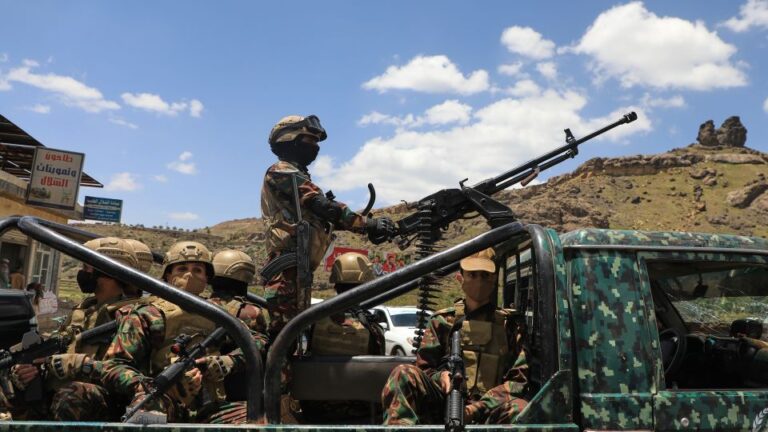
The most immediate cause of rising oil prices is the escalating war involving Iran and its regional adversaries. Military strikes on Iranian targets and retaliatory attacks have intensified tensions across the Middle East, causing traders to fear potential supply disruptions.
In response, oil prices jumped sharply, with Brent crude nearing $120 per barrel and U.S. WTI surpassing $100, levels not seen since the global energy turmoil of 2022.
Markets react quickly to geopolitical risks because oil supply chains are highly sensitive to disruptions. Even the possibility of infrastructure damage, sanctions, or shipping delays can cause traders to bid prices higher.
Threats to Energy Infrastructure
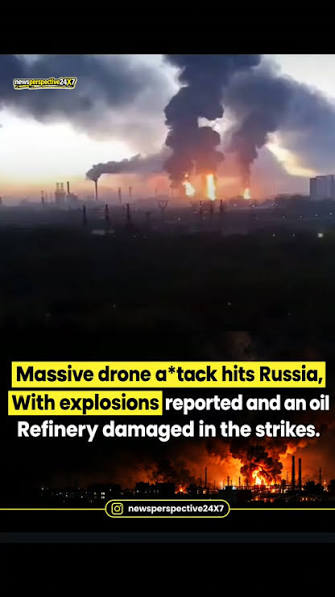
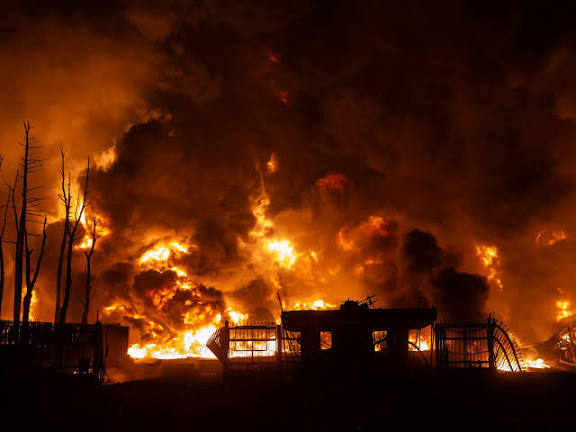
Energy facilities and export terminals in the Middle East have historically been vulnerable during conflicts. Recent attacks on oil infrastructure and refineries have intensified market anxiety.
If major production sites or export terminals were damaged, millions of barrels of oil per day could be removed from global supply, creating immediate shortages and price spikes.
The Strait of Hormuz Factor
One of the biggest fears in the current crisis is disruption to the Strait of Hormuz, a narrow waterway that handles roughly one-fifth of global oil consumption.
This strategic chokepoint connects the Persian Gulf to global markets and is the primary export route for oil from countries including:
Saudi Arabia
Iraq
Kuwait
United Arab Emirates
Qatar
Any military escalation that blocks or threatens shipping through the strait could drastically reduce global oil supply and trigger an unprecedented price surge.
Immediate Impact on Global Markets
Energy Markets React Instantly
Energy markets have already reacted strongly to the conflict. Oil prices surged more than 20% in a short period, reflecting the market’s expectation of potential supply disruptions.
Oil traders often add a “geopolitical risk premium” during conflicts, meaning prices increase even before actual supply shortages occur.
Stock Markets Drop
Rising energy prices often trigger declines in stock markets. Major indices across the United States and Asia fell sharply as investors worried about higher inflation and economic slowdown.
At one point, the Dow Jones Industrial Average dropped more than 800 points, highlighting the scale of investor anxiety over the energy shock.
Energy shocks historically lead to volatility because they increase costs across nearly every industry.
Global Inflation Concerns
Higher oil prices usually translate into higher prices for:
Transportation
Electricity
Manufacturing
Food
Economists warn that sustained energy shocks could derail global efforts to control inflation. Rising fuel costs can quickly spread across the economy, reducing consumer purchasing power.
Countries Most Affected by the Oil Price Surge
Oil Importing Nations
Countries that depend heavily on imported fuel are the most vulnerable to rising oil prices.
Examples include:
India
Japan
South Korea
European Union nations
Higher oil prices increase import bills, weaken currencies, and raise domestic fuel costs.
Developing Economies
Many developing nations face severe economic pressure during energy crises.
For example, several African economies are already experiencing rising fuel costs, inflation, and currency volatility due to the current oil shock.
These countries often lack financial reserves to cushion energy price spikes.
Oil Exporting Countries
On the other hand, major oil exporters such as:
Saudi Arabia
United Arab Emirates
Russia
Nigeria
may temporarily benefit from higher revenues.
However, prolonged conflict could also disrupt production and exports, offsetting potential gains.
How the Iran Conflict Could Disrupt Global Oil Supply
Production Losses
Iran itself is a significant oil producer, exporting millions of barrels per day. If the conflict damages oil fields or export terminals, global supply could shrink rapidly.
Energy analysts estimate that even small disruptions can push oil prices up by $10 to $15 per barrel.
Sanctions and Trade Restrictions
International sanctions on Iran could further limit exports, reducing the amount of oil available on the global market.
Sanctions often complicate shipping, insurance, and financial transactions related to oil trade.
Regional Escalation
A wider regional war involving Gulf countries could threaten oil facilities across the Middle East.
Since the region produces a large portion of the world’s oil supply, any broader conflict could trigger a severe global energy crisis.
Economic Consequences of Rising Oil Prices
Higher Fuel Prices for Consumers
Consumers worldwide may experience rising fuel prices in the coming weeks.
In the United States, gasoline prices have already started climbing as crude prices surge.
Higher fuel costs affect daily life by increasing:
Transportation costs
Food prices
Utility bills
Airline and Shipping Costs
Airlines are particularly sensitive to oil prices because jet fuel represents a major portion of operating costs.
Shipping companies may also raise freight rates, increasing the price of goods worldwide.
Risk of Global Recession
Economists warn that prolonged oil price spikes can slow economic growth.
Historically, major oil shocks—such as those in the 1970s and during the 2008 financial crisis—have contributed to recessions.
If the Iran conflict continues for months, the global economy could face similar risks.
Government Responses to the Oil Crisis
Strategic Oil Reserves
Several governments are considering releasing oil from strategic petroleum reserves to stabilize markets.
These emergency stockpiles are designed to provide temporary relief during supply disruptions.
Fuel Price Controls
Some countries have already implemented measures to control fuel prices and prevent shortages.
For example, Serbia temporarily suspended fuel exports to protect its domestic market during the oil price surge.
Diplomatic Efforts
Diplomatic efforts to de-escalate the conflict could play a crucial role in stabilizing energy markets.
If tensions ease, oil prices may gradually decline as supply concerns fade.
Could Oil Prices Reach $150?
Some analysts warn that oil prices could climb significantly higher if the conflict spreads.
Several factors could drive prices toward $150 per barrel, including:
Closure of the Strait of Hormuz
Major attacks on oil infrastructure
Expanded regional warfare
Long-term sanctions on Iran
However, others argue that increased production from countries like the United States could partially offset supply losses.
Long-Term Energy Implications
Renewed Push for Energy Security
The crisis is likely to accelerate efforts by governments to diversify energy sources.
Countries may increase investment in:
Renewable energy
Nuclear power
Domestic oil and gas production
Reducing dependence on Middle Eastern oil has been a long-term strategic goal for many nations.
Growth of Alternative Energy
Energy crises often boost interest in renewable energy.
High fossil fuel prices make solar, wind, and electric vehicles more economically attractive.
Shifting Global Energy Markets
If the Iran conflict continues, global energy trade patterns could change significantly.
Countries may seek alternative suppliers, new shipping routes, or strategic partnerships to ensure stable energy supplies.
What Happens Next?
The future of oil prices depends largely on how the Iran conflict develops.
Key factors to watch include:
Military escalation in the Middle East
Damage to oil infrastructure
Shipping disruptions in the Strait of Hormuz
Diplomatic negotiations
Markets are likely to remain volatile until the geopolitical situation becomes clearer.
For now, the surge in oil prices reflects the world’s deep dependence on Middle Eastern energy and the fragile balance that keeps global fuel supplies flowing.
Conclusion
The surge in oil prices triggered by the Iran war highlights how quickly geopolitical tensions can disrupt global energy markets. With crude prices crossing $100 per barrel and fears of supply disruptions growing, governments, businesses, and consumers are bracing for higher fuel costs and economic uncertainty.
The situation remains fluid. If the conflict escalates further or disrupts critical shipping routes like the Strait of Hormuz, oil prices could climb even higher, intensifying inflation and economic risks worldwide.
At the same time, the crisis may accelerate long-term shifts toward energy diversification and renewable technologies as nations seek to reduce their vulnerability to geopolitical shocks.
For now, the world is watching the Middle East closely—because the next developments in the Iran conflict could determine the future of global energy markets.
FAQs
Why are oil prices rising due to the Iran war?
Oil prices are rising because the conflict raises fears of supply disruptions in the Middle East, a region that produces a large share of global oil.
How high have oil prices risen during the crisis?
Crude oil prices have surged above $100 per barrel, with some benchmarks nearing $120 as tensions escalate.
Why is the Strait of Hormuz important for oil?
The Strait of Hormuz handles about one-fifth of global oil shipments, making it one of the most critical energy transit routes in the world.
Could the conflict cause a global recession?
If oil prices remain high for a prolonged period, they could increase inflation and slow economic growth, raising the risk of a global recession.
What can governments do to control rising fuel prices?
Governments can release strategic oil reserves, introduce fuel price controls, or increase domestic production to stabilize markets.
How useful was this post?
Click on a star to rate it!
Average rating 0 / 5. Vote count: 0
No votes so far! Be the first to rate this post.
About the Author

usa5911.com
Administrator
Hi, I’m Gurdeep Singh, a professional content writer from India with over 3 years of experience in the field. I specialize in covering U.S. politics, delivering timely and engaging content tailored specifically for an American audience. Along with my dedicated team, we track and report on all the latest political trends, news, and in-depth analysis shaping the United States today. Our goal is to provide clear, factual, and compelling content that keeps readers informed and engaged with the ever-changing political landscape.