Ecuador Crisis : Cartel Violence, State Emergency, US Border Impact
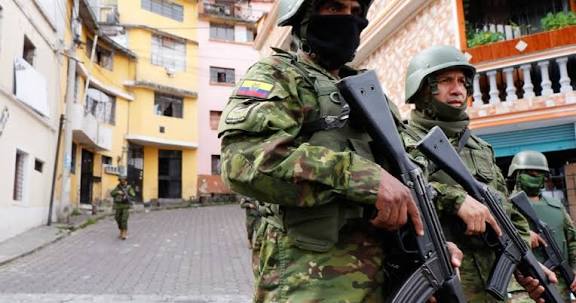
Ecuador, once considered a relatively peaceful nation in Latin America, has been thrust into a deepening security crisis driven by escalating cartel violence, government enforcement measures, and regional spill-over effects. What began as a localized public safety challenge has transformed into a national emergency involving transnational criminal organisations, state-level responses, and a growing humanitarian impact. This article explores the roots of the crisis, the state emergency response, collaborative anti-drug operations with the United States, and how this turmoil influences migration flows toward the U.S. border.
Introduction: From Safe Haven to Flashpoint
Historically, Ecuador had been seen as a comparatively stable democracy among South American nations. That reputation has deteriorated rapidly in recent years, overtaken by organized crime groups linked to powerful cartels operating across borders. These gangs have exploited Ecuador’s strategic coastal ports and weak institutional controls, turning the country into a key transshipment point for cocaine and other illicit goods destined for the U.S. and European markets.
In response to this wave of violence, Ecuador’s government has taken extraordinary measures — from declaring states of emergency to engaging in joint military operations with the United States. Beyond national borders, the crisis is reshaping migration dynamics toward the U.S., raising humanitarian, diplomatic, and security concerns.
The Rise of Cartel Influence in Ecuador
1. Transnational Criminal Networks Take Root
Ecuador’s geographical position — bordered by Colombia and Peru, two of the world’s largest cocaine producers — has inadvertently made it an attractive corridor for drug trafficking. Criminal organisations have leveraged Ecuador’s ports to ship narcotics internationally, leading cartels to embed themselves within local gangs and illegal economies.
Compounding the threat are Ecuadorian gangs such as Los Lobos and Los Choneros, which U.S. authorities have designated as terror-linked organisations. These groups command territory and resources, igniting fierce competition that fuels violence nationwide.
2. Escalating Violence and Public Safety Collapse
The result has been a dramatic upsurge in violence across multiple provinces. Between 2024 and 2025, homicide rates soared, rivaling some of the highest levels in the region. One analysis showed that gang-related deaths skyrocketed, with thousands killed and large segments of the population exposed to ongoing violence.
Overcrowded prisons became theatres of brutal clashes between rival cartel factions. For instance, the November 2024 Guayaquil prison riot claimed at least 17 lives, reflecting the difficulty authorities face in containing organised crime even within secure facilities.
State of Emergency: Government’s Response
1. Declaring an “Internal Armed Conflict”
Faced with an unprecedented surge in violent crime, President Daniel Noboa’s administration declared an internal armed conflict and several states of emergency to enable extraordinary security measures. This designation allowed the military to conduct operations alongside police forces and impose curfews to restore public order.
Security zones stretched across the most violent provinces, including Guayas, Los Ríos, Santo Domingo de los Tsáchilas, and El Oro — areas where cartel influence is most entrenched. Such measures reflect the government’s recognition that conventional policing alone was inadequate.
2. Curfews and Militarized Policing
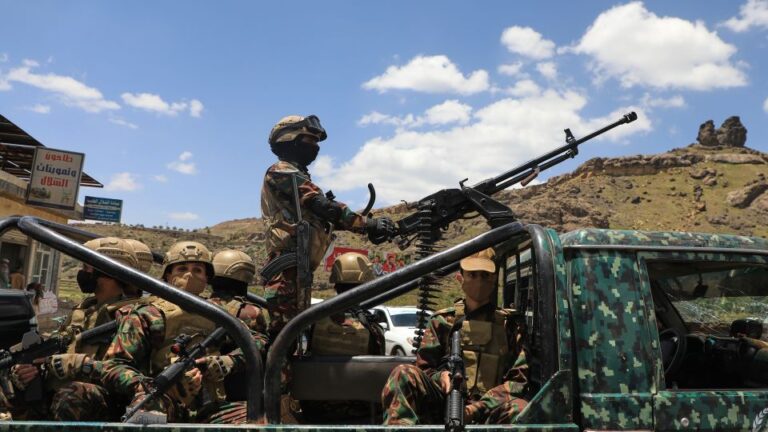
Curfews were implemented in the most affected regions, signaling a more aggressive posture against armed groups. Military presence in cities became commonplace, with troops deployed to support police in daily patrols. While intended to deter criminal activity, these measures also raised concerns about civil liberties and human rights among local communities.
Public institutions — including prisons and communication outlets — have been particularly affected by this securitisation. Episodes of violence inside penitentiaries and confrontations with security forces have underscored the gravity of the crisis.
Collaborative Anti-Drug Operations with the United States
1. Joint Military Engagement
In March 2026, Ecuador and the United States launched joint anti-drug trafficking operations aimed at disrupting key trafficking routes and dismantling criminal networks. This partnership reflects a significant shift in U.S. policy, which is increasingly focused on direct engagement in Latin America to counter narco-terrorism.
The U.S. Southern Command confirmed coordinated actions designed to target designated terrorist organisations — a classification that expands U.S. authority to act against these groups. Operations now involve intelligence sharing, tactical coordination, and strategic planning at key transport hubs such as airports and seaports.
2. Regional Security Implications
The joint initiative marks an intensification of regional cooperation in the fight against drug trafficking. Given that about 70% of cocaine from Colombia and Peru transits through Ecuador, both governments view these operations as critical to curtailing the flow of narcotics and associated violence.
But this intervention also raises complex questions. It underscores U.S. concern over the spill-over effects of cartel violence, not only for Ecuador but for neighbouring countries and American domestic security interests.
Impact on Migration Toward the U.S. Border
1. Violence as a Push Factor
As violence has escalated, many Ecuadorians — as well as migrants living in the country — face insecurity that compels them to seek refuge abroad. Historically, people fleeing cartel violence have joined larger migration flows in the region, attempting perilous journeys to the United States in search of safety and stability.
This dynamic is comparable to patterns seen from other nations grappling with organised crime, where insecurity acts as a primary driver of displacement. Fear of extortion, kidnappings, or arbitrary violence pushes families to consider migration as the only viable option.
2. Humanitarian Consequences
In addition to violence-driven migration, internal displacement has risen, with hundreds of thousands of people forced from their homes due to cartel unrest and community insecurity. These displaced populations often lack access to basic services and protection, compounding the humanitarian dimensions of the crisis.
U.S. asylum seekers from the region frequently cite fear of violence as a basis for legal protection claims. As the Ecuador crisis deepens, the number of people undertaking dangerous journeys to the U.S. border — often through Mexico and Central America — is likely to increase.
Economic and Diplomatic Fallout
1. Trade and Border Tensions
Ecuador’s crisis has also affected its diplomatic relationships, particularly with neighbouring Colombia. Trade tensions — driven in part by disagreements over border security cooperation and cartel trafficking — have manifested in tariff disputes and mutual recriminations.
Such tensions complicate regional responses to organised crime and can undermine collaborative security efforts needed to manage transnational threats.
2. Implications for Public Services
The financial cost of the security crisis is substantial. Resources have been diverted to military mobilisations, curfews, and border enforcement, at the expense of public services such as education, healthcare, and infrastructure. These trade-offs illustrate the broader societal impacts of prolonged violence and state emergencies.
Public Perception and Political Debate
The crisis has deeply divided public opinion in Ecuador. Supporters of the administration view tough security measures as necessary, while critics argue they risk undermining democratic norms and could lead to abuses of power.
Debates also swirl around the role of foreign intervention, particularly regarding U.S. military involvement. For some, these joint anti-drug operations represent crucial support; for others, they risk escalating tensions and diminishing Ecuador’s sovereignty.
Future Outlook: Can Stability Be Restored?
Whether Ecuador can overcome this multifaceted crisis depends on several variables:
Effectiveness of security operations against cartel infrastructure
Sustained regional cooperation with neighbours and international partners
Investment in social services and economic development to reduce incentives for criminal participation
Protection of civil liberties to ensure public trust in state institutions
The path forward will likely require a balanced strategy that tackles both the symptoms and structural causes of organised crime.
Frequently Asked Questions (FAQs)
1. Why has cartel violence increased so dramatically in Ecuador?
Cartel violence in Ecuador has risen due to its strategic location as a cocaine transit corridor and the embedding of transnational criminal networks within local gangs. Rival factions vie for control of lucrative drug routes, leading to turf wars and a surge in violent incidents.
2. What does the Ecuador state of emergency entail?
The state of emergency allows the government to mobilize the military in support of police, enforce curfews, and implement extraordinary measures aimed at restoring security. It grants broader authority to contain organised crime but also raises concerns about civil liberties.
3. How is the United States involved in Ecuador’s security operations?
The U.S. has partnered with Ecuador in joint military and anti-drug operations aimed at targeting designated terrorist organisations linked to drug cartels. This collaboration includes intelligence sharing and coordinated actions to disrupt drug trafficking networks.
4. Does the crisis affect migration to the United States?
Yes. Rising violence and insecurity act as push factors that compel individuals and families to migrate, often undertaking dangerous journeys to the U.S. border. Fear of cartel violence is commonly cited in asylum applications.
5. What are the social and economic consequences of the crisis in Ecuador?
The crisis has strained public resources, disrupted daily life, and fuelled internal displacement. It has also led to diplomatic tensions with neighbours, affecting trade and cooperation on security matters.
Conclusion
The Ecuador crisis — driven by cartel violence, sweeping state emergency measures, and international cooperation — represents one of the most complex security challenges in the region’s recent history. As violence reshapes public safety and migration patterns, its repercussions extend far beyond national borders, influencing U.S. immigration trends and hemispheric diplomacy.
To address this crisis sustainably, Colombia and Ecuador — alongside international partners like the United States — must pursue comprehensive strategies that blend security enforcement with social investment, economic opportunity, and respect for human rights.
How useful was this post?
Click on a star to rate it!
Average rating 0 / 5. Vote count: 0
No votes so far! Be the first to rate this post.
About the Author

usa5911.com
Administrator
Hi, I’m Gurdeep Singh, a professional content writer from India with over 3 years of experience in the field. I specialize in covering U.S. politics, delivering timely and engaging content tailored specifically for an American audience. Along with my dedicated team, we track and report on all the latest political trends, news, and in-depth analysis shaping the United States today. Our goal is to provide clear, factual, and compelling content that keeps readers informed and engaged with the ever-changing political landscape.