Nancy Mace: Capitol clash, bold stance, 2026 power play
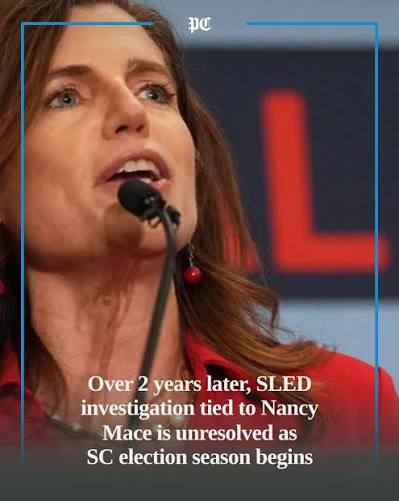
Nancy Mace has become one of the most polarizing figures in contemporary U.S. politics — a lawmaker whose fierce rhetoric, bold policy positions, and high-stakes ambitions have frequently sparked controversy, captivated media and tested party alliances. As she campaigns for South Carolina governor in 2026, Mace’s trajectory from Capitol clashes to a potential executive office reflects not just her personal evolution, but broader battles over direction, identity, and power within the Republican Party.
With a political career marked by bold stances on divisive issues — from transgender rights to ethics in government — Mace’s rise and controversies paint a complex portrait of a politician who refuses to stay in one lane. Her campaign for governor has become not only a state-level fight but a national litmus test for how insurgent figures reshape the GOP’s map through power plays, alliances and ideological pivot points.
In this article, we dig deep into Nancy Mace’s Capitol clashes, explore her bold stances on public policy, chart her influential 2026 gubernatorial power play, and examine the controversies that have kept her in Washington headlines and on political hot seats.
Early Life and Political Emergence – The Making of a Maverick

Before Mace became a major figure in national news, she already had a story that set her apart from most politicians.
Born and raised in South Carolina, Mace dropped out of high school but later pursued higher education with determination that reflected her tenacity. She became the first woman to graduate from The Citadel, a previously all-male military college — a milestone that symbolized her willingness to break gender barriers and fight institutional norms.
Mace’s early political activity included work on Republican presidential campaigns and bids for elective office, culminating in a successful run for the U.S. House of Representatives in 2020. Once elected, she quickly became known for outspoken views across the political spectrum — not only among Republicans but also in clashes with Democrats.
Capitol Clashes: Defining an Unpredictable Lawmaker
January 6 and Bipartisan Tension
Shortly after taking office in 2021, Mace made headlines with a forthright denunciation of the January 6 attack on the U.S. Capitol — an event that has become one of the most sensitive fault lines in American politics. She called it “a sad day for our nation,” expressing heartbreak and disgust, and explicitly placing blame on former President Donald Trump for inciting supporters.
This early willingness to criticize her party’s leader set the tone for her Capitol presence: unpredictable, fiercely independent on certain issues, and ready to confront even allies when she deemed it necessary.
Transgender Rights, Bathroom Resolutions, and Culture Clash
One of Mace’s most controversial Capitol stances has been on transgender rights — particularly a congressional resolution aimed at restricting transgender members from using single-sex facilities in the Capitol. This effort was widely reported as an attempt to prevent Delaware Rep. Sarah McBride — the first openly transgender member of Congress — from accessing women’s restrooms.
Critics called this move discriminatory and symbolic of growing culture wars within legislative policy debates. Supporters framed it as a defense of “privacy and women’s spaces.” Regardless of one’s viewpoint, this confrontation placed Mace squarely at the center of national discourse on transgender rights.
Verbal Clashes and Social Media Firestorms
Beyond formal policy positions, Mace has been at the heart of heated personal exchanges with political opponents.
A recent example occurred following news of Iran’s supreme leader’s death, when Mace posted “thoughts and prayers” directed sarcastically at congressional Democrats Ilhan Omar and Rashida Tlaib — provoking sharp public retaliation and dueling national headlines.
Such moments highlight both her rhetorical boldness and the fraught cross-party atmosphere of modern Capitol politics.
Bold Policy Stances: Controversy and Calculated Politics
Mace’s policy positions reflect a blend of traditional conservative ideology and impulses toward populist, combative political theater.
Trans Rights & Culture Wars
While early in her career she expressed some openness toward LGBTQ+ rights, her more recent legislative focus has zeroed in on limiting transgender access to public facilities and military service roles. Opponents view these positions as discriminatory; supporters view them as protections of privacy and traditional values.
Abortion and Reproductive Health
Mace has consistently positioned herself as staunchly pro-life, supporting restrictions on abortion while urging exceptions in cases of rape or incest. Her personal history as a sexual assault survivor has informed her perspectives on these matters, making for emotionally charged and widely discussed public remarks.
Agriculture, Animal Welfare & States’ Rights
Mace’s legislative work has also touched on less divisive but still significant areas like agriculture — opposing federal preemption of state animal welfare laws and advocating for reforms in commercial animal testing and research.
These efforts demonstrate that her policy agenda isn’t limited to headline culture issues but extends into technical and industry-relevant legislative areas.
Ethics Investigations and Political Headwinds
No analysis of Nancy Mace’s role in Washington would be complete without addressing the ethical scrutiny she currently faces — a factor that could significantly impact her 2026 bid for governor.
House Ethics Committee Review
In early March 2026, the House Ethics Committee voted to pursue an investigation into allegations that Mace may have engaged in improper reimbursement practices involving lodging expenses for her Capitol office — a process she has vehemently disputed.
Her spokesperson and legal team have suggested that the probe is rooted in disputes with her former fiancé — framing the situation as a politically motivated attempt to undermine her credibility. Nonetheless, the continuation of the inquiry through March 2026 adds complexity to her campaign message of reform and integrity.
2026 Gubernatorial Power Play: A Gamble with High Stakes
Mace’s decision to run for South Carolina governor in 2026 marks the most significant pivot of her career. In a reliably Republican state where the GOP primary essentially determines the general election, her campaign has become a battleground of competing Republican factions.
Rebranding and Strategic Alliances
Once considered a more moderate Republican voice, Mace has deliberately repositioned herself toward the party’s conservative core — aligning with MAGA-aligned media and embracing populist rhetoric on culture issues.
This realignment is not without risk. Several GOP figures — including previous campaign advisers — have defected or criticized her strategic choices, underscoring deep ideological divisions within the party.
Endorsements and Intra-Party Battles
Despite her national profile and media presence, Mace has faced challenges securing high-profile endorsements within the GOP establishment. Reports of Gov. Henry McMaster supporting rivals within the party have fueled speculation about her ability to consolidate support among traditional Republican constituencies.
For Mace, the 2026 race isn’t merely about winning the governor’s mansion — it’s about reshaping her political brand and staking a claim as a conservative leader whose influence extends beyond South Carolina.
Media Portrayal, Public Perception, and Internal GOP Dynamics
Much of the national conversation around Nancy Mace reflects deep polarization — not just in policy but in perception.
Her critics often label her rhetoric as combative or divisive, especially on LGBTQ+ issues and social media interactions. Public figures and commentators have unleashed scathing rebukes, framing her actions as harmful to vulnerable communities.
At the same time, her supporters highlight her tenacity, willingness to confront establishment norms and ability to attract attention on national platforms.
This dual perception — seen as both a bold renegade and a controversial firebrand — is at the core of her political narrative heading into 2026.
What’s Ahead for Nancy Mace?
As the 2026 election cycle progresses, Nancy Mace’s political journey will continue to be scrutinized. Her bold stances, from Capitol floor culture wars to legislative pivots, illustrate a politician unafraid to toe controversial lines. Yet ethical questions and internal GOP rivalries present hurdles that could reshape her campaign strategy and public image.
With the spotlight on her gubernatorial bid, Mace’s power play is as much about ideology as it is about political survival — a test of her resilience, messaging and ability to unify or divide voters on both state and national stages.
Frequently Asked Questions (FAQs)
1. Who is Nancy Mace?
Nancy Mace is a Republican congresswoman from South Carolina, known for her high-profile political stances, first as a critic then later as a conservative ally within the GOP. She made history as the first woman to graduate from The Citadel and is currently campaigning for governor of South Carolina in 2026.
2. What controversies have surrounded Nancy Mace?
Mace has been at the center of several controversies, including her involvement in a debate over transgender bathroom access, public accusations against her ex-fiancé on the House floor, and an ongoing House Ethics Committee investigation into reimbursement practices.
3. What is Nancy Mace’s stance on transgender rights?
Mace has championed legislation aimed at restricting transgender access to single-sex facilities, especially within federal buildings, and framed her efforts as protecting women’s privacy. Critics argue the positions are discriminatory.
4. Why is Nancy Mace running for governor in 2026?
Mace’s gubernatorial campaign reflects her ambition to transition from national to state leadership, leveraging her reputation to influence conservative policy in South Carolina. Her candidacy is seen as a referendum on core GOP priorities and intra-party dynamics.
5. How has her political approach affected the Republican Party?
Her confrontational style and ideological shifts have both energized supporters and created fractures within Republican ranks, illustrating broader tensions over the direction of the GOP in the post-Trump era.
How useful was this post?
Click on a star to rate it!
Average rating 0 / 5. Vote count: 0
No votes so far! Be the first to rate this post.
About the Author

usa5911.com
Administrator
Hi, I’m Gurdeep Singh, a professional content writer from India with over 3 years of experience in the field. I specialize in covering U.S. politics, delivering timely and engaging content tailored specifically for an American audience. Along with my dedicated team, we track and report on all the latest political trends, news, and in-depth analysis shaping the United States today. Our goal is to provide clear, factual, and compelling content that keeps readers informed and engaged with the ever-changing political landscape.