CJNG Crackdown Surge: Fentanyl War, Cartel Heat, US-Mexico Pressure Escalates
You said
The war against synthetic drug trafficking has hit a critical turning point as Mexican security forces, backed by U.S. intelligence and diplomatic pressure, delivered a significant blow to the notorious Jalisco New Generation Cartel (CJNG). The cartel — one of the most powerful organized crime syndicates responsible for trafficking deadly fentanyl into the United States — has become the focal point of a volatile and complex security crackdown that has triggered both celebration and sharp backlash across Mexico.
This article examines the latest developments, the drivers of the crackdown, geopolitical implications, the role of bilateral cooperation, and what it means for the future of the illicit fentanyl trade.
🧨 CJNG in Context: Who They Are and What They Do
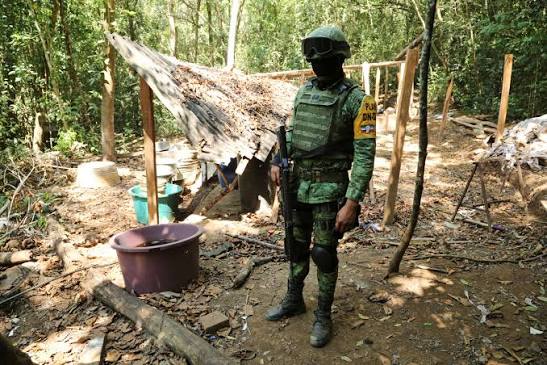
The Jalisco New Generation Cartel, or CJNG, rose rapidly to power over the past decade and remains one of the biggest threats to North American public safety and security.
Key characteristics:
💊 Primary source of fentanyl entering the U.S. — alongside cocaine, methamphetamine, and other synthetic drugs.
🌎 Transnational reach, with affiliates operating across over 40 countries.
💣 Highly violent tactics, ranging from public executions to sophisticated battle tactics, including drones and heavy weapons.
CJNG’s expansion reflects a shift from traditional cartel smuggling to near-military operational capabilities, which challenged both Mexican and U.S. authorities for years.
🪖 The Breaking Point: Killing of El Mencho
On February 22, 2026, Mexican military forces conducted a decisive raid in Tapalpa, Jalisco, resulting in the fatal wounding and subsequent death of CJNG leader Nemesio Rubén Oseguera Cervantes, globally known as “El Mencho.””
El Mencho had been one of the most wanted cartel figures in the world, with the U.S. offering a $15 million reward for information leading to his capture or conviction due to his role in directing large-scale fentanyl, cocaine, and methamphetamine trafficking.
This operation marked a significant escalation in Mexico’s anti-cartel stance, shifting from piecemeal enforcement to full-scale offensives backed by U.S. pressure and intelligence.
📈 Escalation: A New US–Mexico Collaborative Front
Although the raid was conducted primarily by Mexican forces, a newly formed U.S. military-led intelligence task force, the Joint Interagency Task Force-Counter Cartel (JITF-CC), played a crucial support role.
This multi-agency group, established in January 2026, mirrors counterterrorism strategies used against groups like al Qaeda and ISIS but targets cartel networks on both sides of the border.
The Trump administration’s policy — notably designating CJNG as a foreign terrorist organization — has bolstered cooperation and enabled expanded intelligence sharing.
Key aspects of U.S.–Mexico cooperation include:
📊 Joint intelligence operations
🪪 Expanded surveillance coordination
🚢 Border interdiction technologies and training
💼 Sanctions on cartel leadership and associated financial networks
This marks a departure from previous bilateral approaches and reflects the perceived urgency to reduce the flow of fentanyl into American communities.
🔥 Immediate Aftermath: Violence and Retaliation
The news of El Mencho’s death sparked rapid and violent retaliation from cartel affiliates across multiple Mexican states, including:
🚧 Road blockades
🔥 Arson attacks
💥 Shootouts with security forces
✈️ Suspended flights in affected regions like Guadalajara and Puerto Vallarta
🏘️ Civilian advisories and local lockdowns
Tragically, dozens of security personnel, civilians, and cartel members were killed in coordinated attacks following the raid.
These reprisals illustrate the ongoing danger posed by criminal syndicates even after losing a top leader — and they raise serious questions about cartel succession and stability.
📉 The Power Vacuum and Future of CJNG
With El Mencho gone, a leadership vacuum is expected. Analysts warn that this could lead to:
⚔️ Internal power struggles
🤝 Possible alliances with other criminal networks
📍 Fragmentation and regional splintering
📦 Continued operations under new commanders
Historical reports from U.S. agencies have also warned of possible partnerships between CJNG and splinter factions of the Sinaloa Cartel, which could increase territorial disputes and drug flow into the U.S.
🇺🇸 U.S. Policy: Sanctions and Strategic Pressure
Even before El Mencho’s death, the U.S. Treasury had been actively sanctioning CJNG-linked entities tied to fentanyl and fuel theft — a key revenue source for the cartel.
These financial actions increased pressure on cartel operations and targeted their funding sources, aiming to disrupt logistics, money laundering, and influence networks.
📊 Broader Impact: The Fentanyl Crisis and Border Security
The fentanyl epidemic has reached crisis levels in the U.S., contributing to tens of thousands of overdose deaths annually. CJNG’s role as a leading supplier intensifies political and law enforcement urgency.
Pressure on Mexico to crack down harder — even with threats of tariffs and economic measures — has proven to be a catalyst for the recent offensive.
The Biden and Trump administrations have used every diplomatic and legal tool — from sanctions to public designation — to disrupt cartel profitability and reduce the synthetic opioid flow.
🧠 What Happens Next?
Experts predict multiple possible outcomes:
🔄 Continued cartel retaliation and violence
⚖️ Intensified law enforcement operations
🔍 Greater international cooperation
🧬 Adaptive cartel strategies, including frontier technologies and internal restructuring
Reducing violence long-term may require targeting cartel recruitment and socio-economic drivers, not just high-level takedowns, according to security research.
❓ FAQs (Frequently Asked Questions)
1. What is the CJNG?
The Jalisco New Generation Cartel is a major Mexican drug cartel responsible for trafficking large quantities of fentanyl, methamphetamine, and cocaine into the United States and other countries.
2. Who was El Mencho and why was his death significant?
Nemesio Rubén Oseguera Cervantes, aka El Mencho, was the long-time leader of CJNG and one of the world’s most wanted traffickers. His death marked a significant step in the coordinated U.S.–Mexico effort to weaken cartel leadership.
3. How did the U.S. help in the raid?
While Mexican forces led the operation, U.S. military intelligence — particularly through the JITF-CC — provided support with surveillance, data, and target information.
4. What role does fentanyl play in cartel operations?
Fentanyl trafficking is a major revenue and influence stream for CJNG, contributing significantly to synthetic opioid flows into the United States.
5. Could cartel violence escalate further?
Experts warn that the death of a leader can lead to retaliation or power struggles, increasing violence before any long-term decline.
🧾 Conclusion
The CJNG crackdown surge marks a watershed moment in the ongoing fentanyl war between cartels and international law enforcement. It highlights shifting geopolitical alliances, the evolving threat of organized crime, and the urgent need for comprehensive strategies that extend beyond tactical takedowns to address the systemic roots of cartel proliferation.
By understanding both the strategic and human costs of this escalating conflict, policymakers and citizens alike can appreciate the complex challenges driving one of the most pressing security crises of the 21st century.
How useful was this post?
Click on a star to rate it!
Average rating 0 / 5. Vote count: 0
No votes so far! Be the first to rate this post.
About the Author

usa5911.com
Administrator
Hi, I’m Gurdeep Singh, a professional content writer from India with over 3 years of experience in the field. I specialize in covering U.S. politics, delivering timely and engaging content tailored specifically for an American audience. Along with my dedicated team, we track and report on all the latest political trends, news, and in-depth analysis shaping the United States today. Our goal is to provide clear, factual, and compelling content that keeps readers informed and engaged with the ever-changing political landscape.